Brother Embroidery Machine Thread Breakage: Common Errors and Solutions

Brother Embroidery Machine Thread Breakage: Common Errors and Solutions
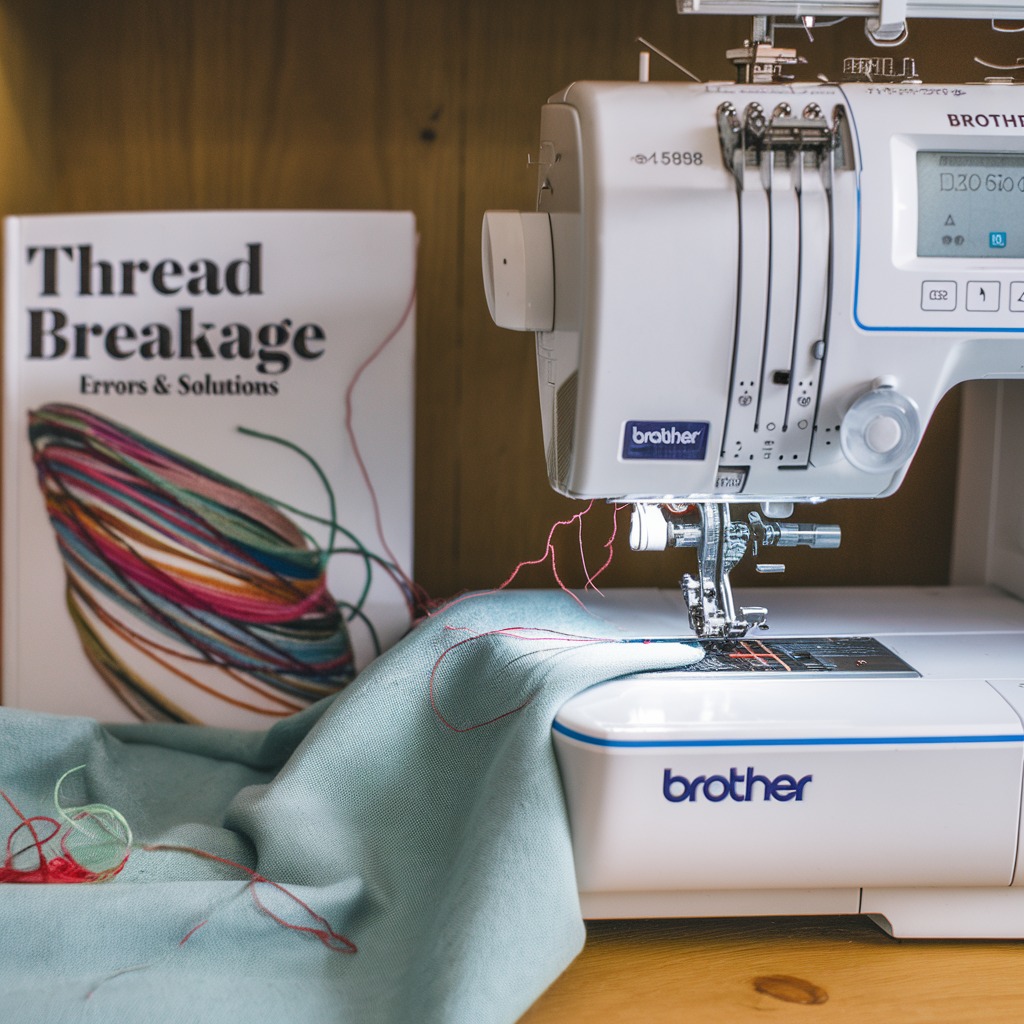
Thread breakage is one of the most common and frustrating issues Brother embroidery machine users face. This problem can interrupt your work, create production delays, and cause inconsistent embroidery quality. However, understanding the root causes and applying practical solutions can prevent thread breakage from becoming a recurring issue.
In this blog, we’ll explore the common errors that lead to thread breakage on Brother embroidery machines and how to resolve them efficiently.
1. Incorrect Thread Tension
Error: Thread tension that is too tight or too loose can cause the thread to break frequently during stitching.
Solution:
- Adjust the upper thread tension setting. If it’s too tight, the thread will snap under pressure. Gradually reduce the tension until the thread runs smoothly.
- Ensure that the bobbin tension is balanced as well. Uneven tension between the upper thread and the bobbin can lead to thread breakage.
- Test the machine on a scrap piece of fabric after each adjustment to ensure smooth stitching.
2. Poor-quality or Incompatible Thread
Error: Using low-quality thread or thread that is incompatible with your Brother machine can cause frequent breakage.
Solution:
- Use high-quality embroidery thread recommended for your Brother machine. Cheap threads tend to fray or snap easily during stitching.
- Check the thread compatibility in the machine’s manual to ensure you’re using the right type and weight for your projects.
- Avoid using old or brittle thread, as it can weaken over time and increase the likelihood of breakage.
3. Incorrect Threading
Error: Improper threading of the machine can lead to tension problems, tangling, and thread breakage.
Solution:
- Re-thread the machine carefully, following the instructions in the manual. Ensure that the thread passes through all the necessary guides and tension disks properly.
- Check that the thread is securely seated in the tension discs and that it is not tangled or twisted anywhere along the thread path.
- When threading, always use the presser foot in the up position to release the tension discs and allow the thread to seat correctly.

4. Damaged or Incorrect Needle
Error: A bent, dull, or incorrect needle for the fabric type can cause friction, leading to thread breakage.
Solution:
- Change the needle regularly, especially if it’s showing signs of wear or bending. A damaged needle can cause excessive friction on the thread.
- Ensure that you’re using the correct needle size and type for the fabric and thread. Heavier fabrics and threads require a stronger needle to avoid breakage.
- Make sure the needle is inserted correctly, with the flat side facing the appropriate direction as per the Brother machine’s manual.
5. Incorrect Bobbin Insertion
Error: An incorrectly inserted or wound bobbin can cause thread jams, tangles, and breakage.
Solution:
- Make sure the bobbin is wound evenly and placed correctly in the bobbin case, with the thread following the correct path.
- Use Brother-approved bobbins that fit your machine model. Incompatible or incorrectly wound bobbins can cause excess tension and thread breakage.
- Clean the bobbin area regularly to prevent lint buildup, which can also contribute to thread jamming and breakage.
6. Thread Snags or Tangles
Error: Snags or tangles in the thread path can create extra tension, leading to breakage.
Solution:
- Inspect the thread spool and ensure there are no snags or twists. Tangled thread can increase tension and lead to snapping.
- Use a thread net or thread cap to help keep the thread flowing smoothly from the spool.
- Check the thread path for any obstructions, such as burrs or rough spots on the machine’s thread guides, that could snag the thread.
7. Dirty or Worn Machine Parts
Error: Lint buildup, especially in the tension discs or bobbin case, can create resistance and cause thread breakage.
Solution:
- Regularly clean the machine, especially the tension discs, bobbin case, and needle plate, to remove lint and dust buildup.
- Periodically oil the machine’s moving parts to keep them functioning smoothly. Always refer to your Brother machine’s manual for specific maintenance instructions.
- If the tension discs are worn or damaged, they may need to be replaced to prevent thread issues.
8. Wrong Embroidery Speed
Error: Running the machine at too high a speed can put stress on the thread, causing it to snap.
Solution:
- Reduce the machine’s stitching speed when working with delicate fabrics or complex designs to prevent excessive tension on the thread.
- Some Brother machines allow you to set the maximum stitch speed; lowering this can help reduce thread breakage in more intricate designs or heavier materials.
Conclusion
Thread breakage can be a frustrating problem, but understanding its causes and applying the right solutions can ensure smooth and continuous embroidery work. By keeping your Brother embroidery machine clean, and properly threaded, and using high-quality materials, you can prevent frequent thread breaks and maintain consistent stitch quality.
Regular maintenance and the right combination of thread, needle, and fabric will go a long way in reducing thread breakage and increasing the longevity of your machine.