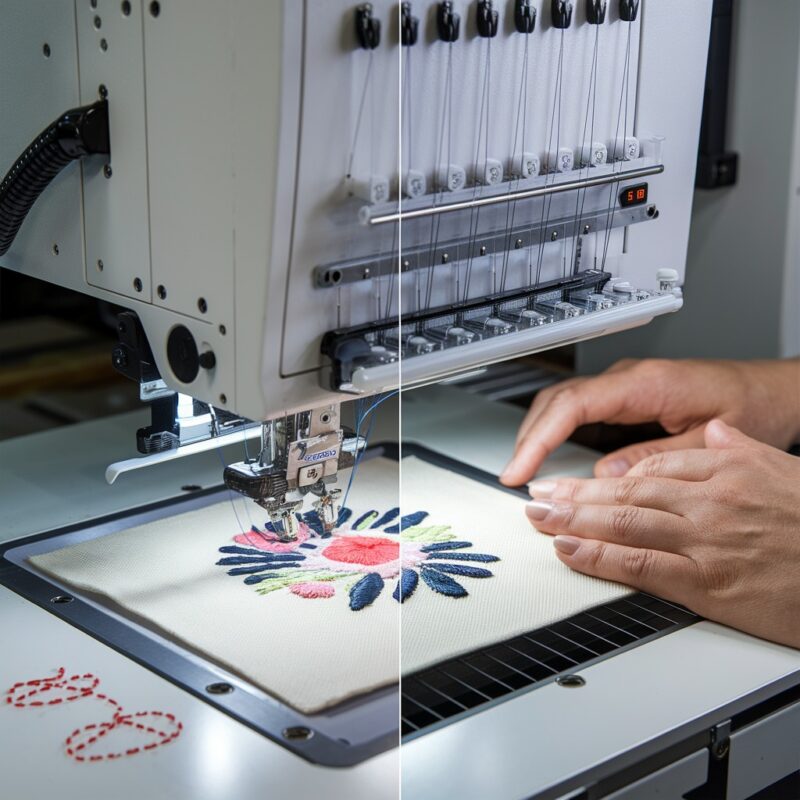
Hikone Embroidery Machine: Common Errors in Thread Breakage and Solutions

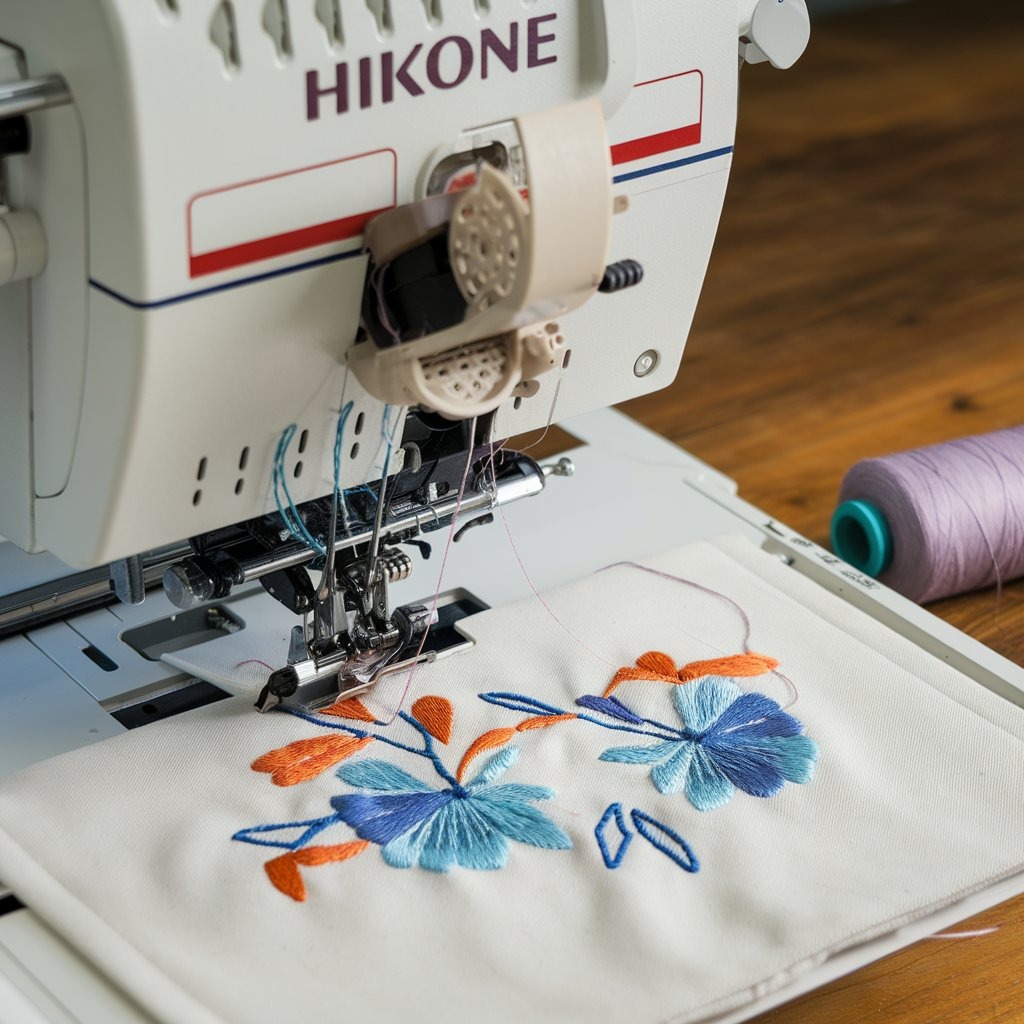
Hikone Embroidery Machine: Common Errors in Thread Breakage and Solutions
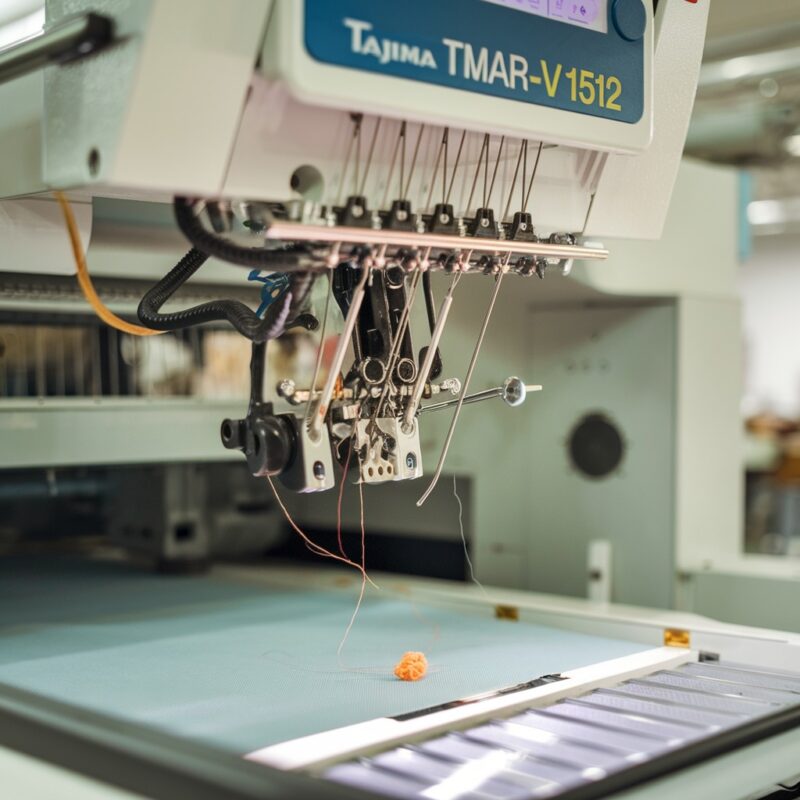
Thread breakage is one of the most common problems faced by Hikone embroidery machine users. It can disrupt your workflow and result in inconsistent embroidery quality. Understanding the root causes of thread breakage and implementing the right solutions will ensure smoother operations and better stitching quality.
Common Causes of Thread Breakage in Hikone Embroidery Machines
- Incorrect Thread Tension
One of the primary causes of thread breakage is improper tension settings. When the tension is too tight, the thread may snap during stitching, leading to interruptions. - Poor-Quality Thread
Using low-quality thread can also lead to frequent breakage. Cheap threads may fray or break under the pressure of high-speed stitching. - Improper Threading
Incorrect threading of the machine is a simple yet common cause of thread breakage. If the thread is not passing through the proper path, tension issues or knots may occur.
- Damaged or Dull Needle
A bent, dull, or incorrectly installed needle can cause friction, leading to breakage of the upper thread. - Incompatible Needle and Thread Size
The size of the needle and the type of thread must match for smooth stitching. A small needle with a thick thread can cause breakage due to the thread not passing through the eye smoothly. - Bobbin Issues
A poorly wound bobbin or incorrect bobbin tension can cause the upper thread to break as it interacts with the bobbin thread.

Solutions to Thread Breakage in Hikone Embroidery Machines
- Adjust Thread Tension
Ensure that both the upper and bobbin thread tensions are correctly set. Start by checking the upper tension and make small adjustments until the stitching appears even and smooth. - Use High-Quality Thread
Invest in high-quality, durable embroidery threads suitable for the fabric you’re using. Look for threads designed for high-speed embroidery machines, as they are less prone to fraying or snapping. - Re-Thread the Machine
If the thread breaks, re-thread the machine carefully. Follow the instructions in your Hikone machine’s user manual and ensure the thread passes through all the necessary guides and tensioners without any twists. - Replace or Adjust the Needle
Check the needle for any damage or dullness. Replace the needle regularly, especially after working on large projects. Make sure the needle size is appropriate for the fabric and thread. - Match Needle and Thread Sizes
Ensure that the needle size matches the type and thickness of the thread you’re using. A properly sized needle will allow the thread to pass through smoothly, reducing friction and breakage. - Check Bobbin Tension and Winding
Ensure that the bobbin is wound evenly and tightly. Also, check the bobbin tension to ensure it is set correctly. If needed, replace the bobbin with a new one to avoid thread tension issues.
Preventive Maintenance Tips
- Clean the Machine Regularly: Dust and lint buildup can affect the thread path and tension. Regularly clean your machine’s thread path, bobbin case, and needle area.
- Lubricate the Machine: Ensure the machine is lubricated as per the manufacturer’s recommendations. A well-lubricated machine runs smoothly and reduces friction on the thread.
- Use Stabilizers: For certain fabrics, using the right stabilizer can help prevent excessive fabric movement that can cause thread breakage.
Conclusion
Thread breakage in Hikone embroidery machines can be frustrating, but with the right solutions, it is easy to address and prevent. Proper tension settings, high-quality threads, the right needle, and regular machine maintenance can make a big difference in your embroidery experience. Keep these tips in mind to ensure your embroidery projects run smoothly without unnecessary disruptions.