
Blog
Tajima TMBP Series: Essential Maintenance Schedule & Wear Parts Guide


Quick answer: Regular maintenance, including cleaning, lubrication, and timely replacement of wear parts like rotary hooks, timing belts, and presser foot components, is crucial for optimal performance and longevity of your Tajima TMBP series embroidery machine.
The Tajima TMBP series embroidery machines are workhorses, known for their reliability and precision. However, like any high-performance machinery, they require consistent and thorough maintenance to ensure optimal operation and extend their lifespan. This guide provides a comprehensive maintenance schedule and highlights common wear parts specific to the TMBP series, helping you keep your machine in top condition and minimize downtime.
Two-minute checks before you open anything
- Check for loose threads or debris around the needle plate and rotary hook area.
- Verify that all thread paths are clear and free of lint.
- Inspect needles for bends, burrs, or dullness.
- Ensure bobbin tension is correct.
- Listen for any unusual noises during operation.
1. Rotary Hook high likelihood
How to tell
Skipped stitches, poor tension, frequent thread breaks, grinding or unusual noises from the hook area, or visible burrs and wear on the hook tip or race.
Fix
- Daily: Remove bobbin case, clean lint and debris from the hook race and surrounding area.
- Weekly: Inspect the hook for burrs or damage. Use a fine emery cloth to gently smooth any minor burrs.
- Monthly: Lubricate the rotary hook with a drop or two of high-quality embroidery machine oil.
- As needed: If burrs are significant, or if you experience persistent skipped stitches or thread breaks despite cleaning and tension adjustments, replace the rotary hook. Ensure proper timing after replacement.
- Part: Koban KHS20-RYP2 Rotary Hook Jumbo 2.0X with Trimmer for Tajima TMAR TMBP, Barudan BEKY BEXY, SWF E Compact Series
The rotary hook is a critical component that experiences significant friction and wear. Regular cleaning and lubrication are essential to extend its life, but it will eventually need replacement.
Parts involved: Rotary hooks & bobbin cases →
2. Timing Belts medium likelihood
How to tell
Visible cracks, fraying, or stretching on the belt surface. Machine making unusual squealing or grinding noises. Inaccurate stitching, misaligned designs, or the machine stopping unexpectedly. A loose belt can cause timing issues.
Fix
- Monthly: Visually inspect all timing belts for signs of wear, cracks, or fraying. Check for proper tension (refer to your machine's manual for specific tensioning procedures).
- As needed: If any belt shows signs of wear or damage, or if it cannot maintain proper tension, replace it. Ensure correct timing is set after replacing any belt, especially main shaft belts.
- Parts: Genuine Japanese MBL S5M1420 Timing Belt 13mm Width for Tajima TMFX, TMEZ, TMBP, TWMX Series; MBL 250S5M600 SPTG W25-S5M 600/G Timing Belt for TAJIMA TFMX, TMFX, TMEZ, TMBP, TFMX-IIC Series; MBL S5M1165 Timing Belt 20mm for Tajima TFMX TMFX TFGN TMBP Embroidery Machines; MBL S5M1225 Main Shaft Motor Belt 30mm for Tajima TFMX TMFX TMBP-SC TMAR TMCR Series; Tajima TU10 W25-170/E Timing Belt 626400260000 BPT102517000 for TMAR, TFMX, TFGN, TMBR, TMBP, TEJT, TEHX Series
There are several timing belts on your TMBP machine, each serving a different function (e.g., main shaft, X/Y movement, head movement). Inspect all of them regularly.
Parts involved: Belts, pulleys & gears →
Parts you may need for Tajima TMBP
In stock, tested before dispatch, Buyer Protection on every order. Part types for this problem: Rotary hooks & bobbin cases, Belts, pulleys & gears, Presser feet & sewing parts, Shafts, bearings & bushings.
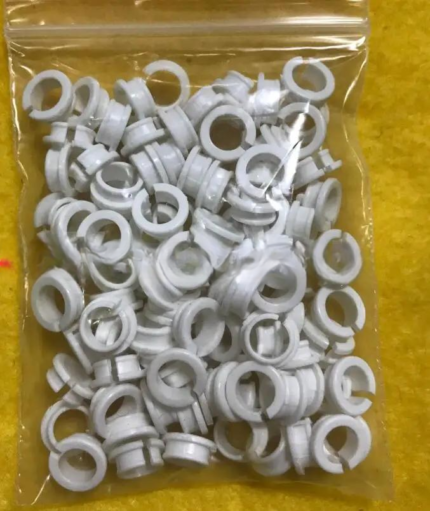 Tajima EF0613220000 EF0613210000 090460040020 090460040031 Presser ...$ 18.09View part →
 Tajima W20-16 Timing Belt Pulley CX0170000000 501440030000 S5M 20mm...$ 39.29View part →
 Genuine Japanese MBL S5M1420 Timing Belt 13mm Width for Tajima TMFX...$ 49.99View part →
 MBL 250S5M600 SPTG W25-S5M 600/G Timing Belt for TAJIMA TFMX, TMFX,...$ 48.99View part →
 MBL S5M1165 Timing Belt 20mm for Tajima TFMX TMFX TFGN TMBP Embroid...$ 67.09View part →
 Tajima TU10 W25-170/E Timing Belt 626400260000 BPT102517000 for TMA...$ 567.29View part →
All Tajima TMBP parts → Rotary Hooks & Bobbin Cases → Belts, Pulleys & Gears → Presser Feet & Sewing Parts →
3. Presser Foot Bushing Guide Collar medium likelihood
How to tell
Excessive play or looseness in the presser foot assembly, leading to inconsistent stitch quality, thread looping, or noise during operation. Visible wear on the bushing or collar.
Fix
- Quarterly: Inspect the presser foot assembly for any wobbling or excessive play. Gently try to move the presser foot side-to-side and up-and-down.
- As needed: If significant play is detected, disassemble the presser foot assembly and inspect the bushing and guide collar for wear. Replace if worn to restore stability.
- Parts: Tajima EF0613220000 EF0613210000 090460040020 090460040031 Presser Foot Bushing Guide Collar for TFMX TMAR TMBP-SC TMEZ
These small components ensure the presser foot moves smoothly and precisely. Wear can impact stitch quality.
Parts involved: Presser feet & sewing parts → Shafts, bearings & bushings →
4. Needle Bar Drive Reciprocator / Assembly low likelihood
How to tell
Unusual noise from the needle bar area, inconsistent needle bar movement, or difficulty in needle bar selection. Excessive vibration or play in the needle bar.
Fix
- Annually: Inspect the needle bar drive reciprocator for any signs of wear or damage. Check for smooth movement and proper alignment.
- As needed: If there is significant wear, damage, or persistent issues with needle bar movement that cannot be resolved with lubrication or minor adjustments, replace the reciprocator or the entire assembly.
- Parts: Embroidery Machine Needle Bar Drive Reciprocator for Tajima TFMX, TMBP, TMEZ, ZSK Sprint Series, RACER Series; Tajima 080210370A11 U89400000000 KN[A] Needle Bar Reciprocator Assembly for TMFX TFMX TFGN TMEZ TMBP Series Machines
While generally robust, these components can wear over time, affecting needle bar stability and movement. The assembly includes multiple parts that work together.
Parts involved: Needles & needle bars → Head & mechanical parts →
5. Thread Break Sensor low likelihood
How to tell
False thread break errors, or the machine failing to detect actual thread breaks. Inconsistent thread tension or looping issues if the sensor is physically damaged or misaligned.
Fix
- Monthly: Gently clean the thread break sensor eyes with a soft brush or compressed air to remove lint and dust buildup.
- As needed: If false errors persist after cleaning, check the sensor's wiring and connections. If the sensor itself is physically damaged or consistently malfunctions, it may need replacement.
- Part: Tajima ICS131 0J2603200000 Thread Break Sensor & Bracket for TFMX, TMAR-KC, TMAR-VC, TFGN, TFMX-C, TMBP-SC Series
The thread break sensor is an electronic component that can be affected by dust or physical damage. While not a mechanical wear part, it can fail.
Parts involved: Sensors & switches →
Maintenance schedule
| When | What to do | Why |
|---|---|---|
| Daily (or every 8-10 hours of operation) | Clean the rotary hook area and bobbin case. | Removes lint and thread debris that can cause skipped stitches, thread breaks, and hook damage. |
| Daily (or every 8-10 hours of operation) | Lubricate the rotary hook. | Reduces friction and wear, ensuring smooth operation and extending hook life. |
| Daily (or every 8-10 hours of operation) | Clean under the needle plate. | Prevents lint buildup that can interfere with stitch formation and needle movement. |
| Weekly (or every 40-50 hours of operation) | Clean and lubricate needle bars. | Ensures smooth needle bar movement and prevents wear. |
| Weekly (or every 40-50 hours of operation) | Clean thread path components (tension discs, thread guides, take-up lever). | Removes lint and wax buildup that can affect thread tension and cause breaks. |
| Weekly (or every 40-50 hours of operation) | Inspect needles and replace if bent, dull, or burred. | Prevents skipped stitches, fabric damage, and thread breaks. |
| Monthly (or every 160-200 hours of operation) | Inspect all timing belts for wear, cracks, or proper tension. | Ensures accurate machine timing and prevents unexpected breakdowns. Replace if worn. |
| Monthly (or every 160-200 hours of operation) | Clean and inspect thread break sensors. | Prevents false thread break errors and ensures accurate detection. |
| Monthly (or every 160-200 hours of operation) | Lubricate X/Y drive rails and bearings. | Ensures smooth frame movement and prevents wear on critical motion components. |
| Quarterly (or every 500 hours of operation) | Inspect presser foot assembly for wear and excessive play. | Maintains consistent stitch quality and prevents damage from loose components. |
| Annually (or every 2000 hours of operation) | Perform a thorough cleaning of the entire machine, including hard-to-reach areas. | Removes accumulated dust and debris that can affect performance and longevity. |
| Annually (or every 2000 hours of operation) | Inspect and lubricate all major mechanical linkages and bearings. | Ensures all moving parts operate smoothly and reduces wear. |
| Annually (or every 2000 hours of operation) | Check and adjust machine timing (if necessary). | Maintains stitch quality and machine synchronization. This may require a technician. |
Stop and call a technician if
- If you encounter persistent error codes that you cannot resolve with basic troubleshooting.
- If the machine exhibits severe mechanical grinding, knocking, or smoking.
- If you suspect electrical issues or circuit board malfunctions.
- For complex timing adjustments or major component replacements that require specialized tools or expertise.
- If you've followed all troubleshooting steps and the problem persists.
Prevent it coming back
- Always use high-quality threads and needles appropriate for your fabric and design to reduce stress on machine components.
- Ensure proper thread tension settings to prevent excessive wear on the thread path and rotary hook.
- Operate the machine within its recommended speed limits.
- Keep your work environment clean and dust-free to prevent debris from entering sensitive machine parts.
- Regularly check and tighten any loose screws or fasteners to prevent vibration-induced wear.
- Follow the manufacturer's recommended lubrication schedule and use only approved embroidery machine oil.
Frequently asked questions
How often should I lubricate my Tajima TMBP machine?
You should lubricate your Tajima TMBP machine daily for the rotary hook, weekly for needle bars and other moving parts, and monthly for less frequently moving components. Always refer to your machine's operation manual for specific lubrication points and recommended intervals.
What kind of oil should I use for my Tajima TMBP?
Always use high-quality, clear, non-staining embroidery machine oil specifically designed for industrial embroidery machines. Avoid using general-purpose oils that can gum up or stain your embroidery.
Why is my Tajima TMBP making strange noises?
Strange noises can indicate several issues, including lack of lubrication, loose or worn timing belts, a damaged rotary hook, or debris caught in moving parts. Stop the machine immediately, inspect and clean thoroughly, lubricate, and check for worn parts. If the noise persists, consult a technician.
How do I know if a timing belt needs replacing?
Inspect timing belts for visible cracks, fraying, stretching, or missing teeth. If the machine is experiencing timing issues, inaccurate stitching, or unexpected stops, a worn or loose belt could be the cause. Replace worn belts promptly to prevent further damage.
Can I use generic parts on my Tajima TMBP?
While some generic parts may fit, using genuine or high-quality aftermarket parts specifically designed for Tajima machines is highly recommended. Inferior parts can lead to poor performance, increased wear on other components, and potentially costly damage to your machine.
Did this guide fix your machine?
Rate it - it helps other operators find the right fix.
Not sure which part is failing?
Need the logo stitched too?
Get your logo digitized by the people who know this machine
Upload the artwork, see the stitch count and the exact price in 10 seconds, then order with a free sew-out preview. $1 per 1,000 stitches, $10 minimum, 24-hour delivery. Vector conversion from $12.
After the fix
Fixed it? Keep the rest of the shop moving.
OS 360 is the shop software from the team behind this parts store. Every job keeps its status, deadline and owner while a TMBP head is down, restock alerts fire for needles, hooks and bobbins before you run dry, and quotes, invoices and payment live in one place.
- Jobs with status, deadline and owner - nothing slips during downtime
- Inventory with restock alerts, this store one click away
- Instant quotes, invoices and one place to collect payment