
Blog
Tajima TMFD Series: Common Problems & Fixes Guide


Quick answer: Common Tajima TMFD problems include thread breaks, skipped stitches, poor stitch quality, and data transfer issues. Most can be resolved by checking thread path, needle, tension, and ensuring proper data loading.
The Tajima TMFD series machines are workhorses in the embroidery industry, known for their durability. However, like any complex machinery, they can encounter issues over time. This guide, compiled by 360 Digitizing Shop, provides practical troubleshooting steps for the most common problems operators face with their TMFD machines, helping you get back to embroidering quickly. We focus on identifiable symptoms, actionable fixes, and the specific replacement parts we stock that can resolve these issues.
Two-minute checks before you open anything
- Is the machine threaded correctly?
- Is the needle inserted correctly and not bent or dull?
- Is the bobbin wound correctly and inserted properly?
- Are the thread tensions (top and bobbin) balanced?
- Is the fabric hooped correctly and taut?
- Are there any visible obstructions or lint buildup in the thread path or hook area?
1. Frequent Thread Breakage high likelihood
How to tell
The machine stops frequently, displaying a thread break error, or you observe broken threads on the embroidery. This can happen on specific needles or across all of them.
Fix
- Inspect the entire thread path for burrs, sharp edges, or obstructions. Clean any lint or debris.
- Check the needle for bends, blunt tips, or incorrect insertion. Replace if necessary.
- Verify thread tension. Top tension should be balanced with bobbin tension. Adjust tension discs.
- Ensure the thread is correctly wound on the bobbin and inserted into the bobbin case.
- Check the hook timing. Incorrect timing can cause the needle to hit the hook, leading to thread breaks. Consult your machine manual for timing adjustments.
- Inspect the thread take-up spring for proper function and tension. Replace if weak or broken.
- Ensure the presser foot is set correctly for the material thickness.
Consider replacing the Tajima 0C0220060060 Hook Thread Take-Up Spring, Tajima 0C0220080000 EF0910000000 Spring Hook, Onloyo 507605030044 EF0618030000 Needle Retention Compression Spring, Tajima 516503010011 MX0521010000 Thread Guide Collar Ceramic Coil 1.8mm, Tajima 050320350000 Thread Block, or Tajima EF0613220000 EF0613210000 090460040020 090460040031 Presser Foot Bushing Guide Collar if worn.
Parts involved: Thread path & tension → Needles & needle bars → Screws, springs & small parts → Head & mechanical parts → Presser feet & sewing parts →
2. Skipped Stitches or Poor Stitch Quality high likelihood
How to tell
Embroidery appears loose, uneven, or has gaps. Loops may be visible on the top or bottom of the fabric. Stitches may not form correctly, leading to an incomplete design.
Fix
- Replace the needle with a new, correct size and type for your fabric and thread.
- Adjust top and bobbin thread tension. Too loose or too tight tension can cause skipped stitches.
- Clean the bobbin case and rotary hook area thoroughly. Lint buildup can interfere with stitch formation.
- Verify the bobbin is inserted correctly and spinning freely.
- Check the hook timing. If the hook is not catching the needle thread loop at the correct moment, stitches will skip. Refer to your machine manual for timing procedures.
- Ensure the presser foot is adjusted to the correct height for the material, providing adequate pressure without being too tight.
- Check for any play in the needle bar or presser foot mechanisms. Tighten any loose screws.
Inspect the Tajima EF0613220000 EF0613210000 090460040020 090460040031 Presser Foot Bushing Guide Collar, Tajima 507309040020 MX0503010000 Jump Control Rod Spring 0.9mm Torsion Spring, Onloyo 507605030044 EF0618030000 Needle Retention Compression Spring, Tajima 090450036011 Needle Bar Guide, or Unbranded Reciprocator Assembly Set for wear.
Parts involved: Needles & needle bars → Thread path & tension → Rotary hooks & bobbin cases → Presser feet & sewing parts → Head & mechanical parts → Screws, springs & small parts →
Parts you may need for Tajima TMFD
In stock, tested before dispatch, Buyer Protection on every order. Part types for this problem: Thread path & tension, Needles & needle bars, Screws, springs & small parts, Head & mechanical parts.
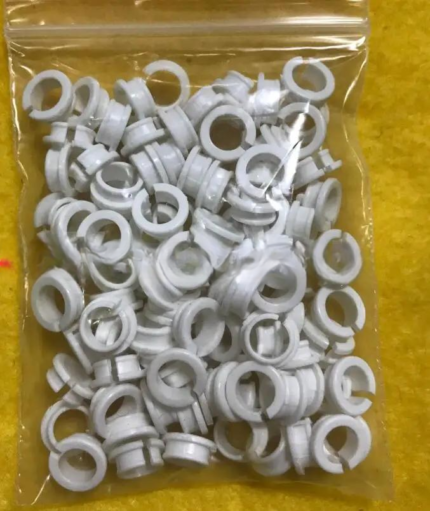 Tajima EF0613220000 EF0613210000 090460040020 090460040031 Presser ...$ 18.09View part →
 Tajima 9ZJ4040A0000 USB Linker External Reader for TMEG, TMEF, TMBE...$ 257.49View part →
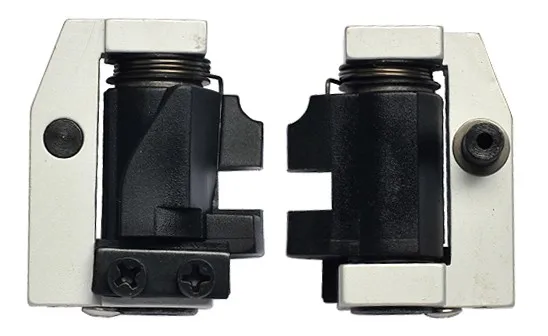 Unbranded Reciprocator Assembly Set for Tajima TMFD & Chinese Embro...$ 21.49View part →
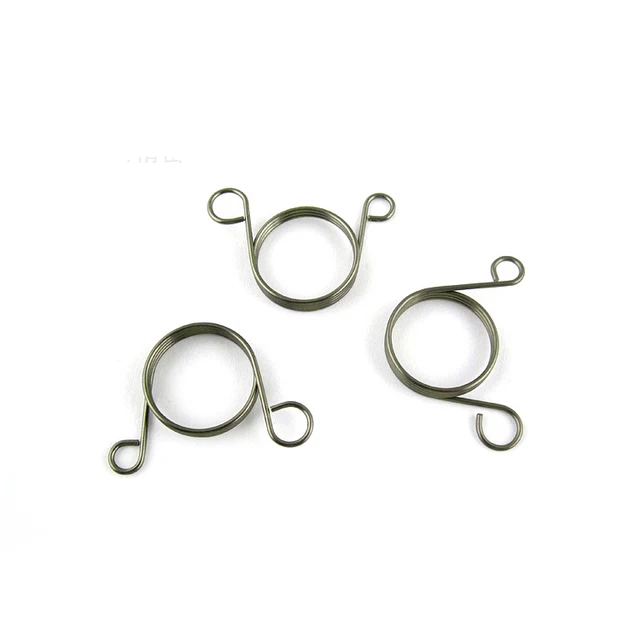 Tajima 507309040020 MX0503010000 Jump Control Rod Spring 0.9mm Tors...$ 8.09View part →
 Tajima 0C0220080000 EF0910000000 Spring Hook for TMEG TMFD STNE TFK...$ 5.49View part →
 Tajima ME0530000000 Take-Up Lever Drive Crank Rod Gear: TME, TME-DC...$ 16.49View part →
All Tajima TMFD parts → Thread Path & Tension → Needles & Needle Bars → Screws, Springs & Small Parts →
3. Machine Not Reading Designs / Data Transfer Issues medium likelihood
How to tell
The machine displays an error message related to design data, cannot load a design, or the design appears corrupted. This is common with older floppy disk systems or faulty USB interfaces.
Fix
- Ensure the design file is in the correct format (.DST) and is not corrupted. Try loading a known good design.
- If using a floppy disk, clean the floppy drive head. Try a different floppy disk.
- If using a USB linker/emulator, ensure it is properly connected and the USB stick is formatted correctly (FAT32) and contains only the design files.
- Check the USB linker or floppy emulator for damage or loose connections. Try a different USB stick.
- Restart the machine and the data transfer device.
- If using an external device, ensure its firmware is up to date (if applicable).
Consider replacing with a Tajima 9ZJ4040A0000 USB Linker External Reader, TAJIMA KP-BS-T-113 USB Reader, or Tajima Gotek SFRM72-FU USB Floppy Emulator if your current data transfer method is failing.
Parts involved: Floppy, USB & memory → Circuit boards & electronics → Cables & wiring →
4. Excessive Noise or Vibration medium likelihood
How to tell
The machine produces unusual grinding, squealing, or knocking sounds during operation. There may be noticeable vibration beyond normal machine movement.
Fix
- Identify the source of the noise. It could be from the head, frame drive, or main shaft.
- Lubricate all moving parts according to your machine's maintenance schedule and manual. Pay attention to needle bars, rotary hook, and main shaft bearings.
- Check all belts for proper tension and wear. A loose or worn belt can slip and cause noise.
- Inspect pulleys and gears for damage, wear, or misalignment. Tighten any loose set screws.
- Ensure all screws and bolts on the head and frame drive are tight.
- Check for any foreign objects caught in moving parts.
Inspect MITSUBOSHI MBL S5M1680 Timing Belt, Tajima W35-16 Timing Pulley 501470030000 MX0710A00000, Tajima W35-S5M Synchronous Belt, Tajima 32 Teeth Synchronous Belt Pulley, Tajima Belt Pulley Roller Gear W20-16 S5M-20mm 501440030000 CX0170000000, Onloyo 509179010000 EF0206000001 Oil-Bushing Bobbin Shaft Sleeve, Tajima 090430070032 Shockproof Pad A Damper Ring, Tajima 090430080010 EF0643010000 Damper Ring B Shockproof Pad, or Tajima 638400080000 638400060000 Rulon Washer Gasket TW-1225 for wear or damage.
Parts involved: Belts, pulleys & gears → Shafts, bearings & bushings → Head & mechanical parts → Lubrication & maintenance → Screws, springs & small parts →
5. Bottom Thread Alarm Malfunctions low likelihood
How to tell
The bottom thread alarm triggers incorrectly when there is still plenty of bobbin thread, or fails to trigger when the bobbin is empty, leading to incomplete embroidery.
Fix
- Clean the bobbin sensor area. Lint and dust can obstruct the sensor's view of the bobbin thread.
- Check the bobbin sensor for proper alignment and function. Ensure it's not bent or damaged.
- Verify the bobbin is wound correctly and inserted properly. Irregularly wound bobbins can confuse the sensor.
- If the machine has a sensitivity adjustment for the bobbin sensor, try adjusting it.
- Inspect wiring connections to the bobbin sensor for looseness or damage.
Consider upgrading or replacing components with the Tajima 12-Needle 12-Color Bottom Thread Alarm System Upgrade Kit or Tajima 9 Needles 9 Colors Full Set Bottom Thread Alarm System Upgrade Kit with Electronic Board if your system is old or unreliable.
Parts involved: Sensors & switches → Circuit boards & electronics → Cables & wiring →
Maintenance schedule
| When | What to do | Why |
|---|---|---|
| Daily | Clean rotary hook area, needle plate, and thread paths. | Prevents lint buildup that causes thread breaks and poor stitch quality. |
| Weekly | Lubricate needle bars, rotary hook, and other specified points. Check and clean tension discs. | Ensures smooth operation, reduces wear, and maintains consistent thread tension. |
| Monthly | Inspect belts for wear and tension. Check for loose screws on the head and frame drive. Clean under the machine. | Prevents mechanical failures, reduces noise, and maintains machine stability. |
| Quarterly/Bi-annually | Deep clean the entire machine. Check hook timing and make minor adjustments if needed. Inspect all major components for wear. | Proactive maintenance to catch potential issues before they become major problems. (Confirm specific intervals and procedures in your machine manual.) |
Stop and call a technician if
- If you've followed all troubleshooting steps and the problem persists.
- For complex mechanical adjustments like main shaft timing or major component replacement.
- If the machine displays critical error codes that you cannot resolve with basic troubleshooting.
- For electrical issues beyond simple cable checks.
Prevent it coming back
- Perform daily cleaning of the rotary hook, needle plate, and thread paths to remove lint and debris.
- Lubricate the machine regularly according to your manufacturer's manual, using appropriate machine oil.
- Use high-quality needles and replace them frequently (e.g., every 8-10 hours of sewing or after a major thread break).
- Ensure proper thread tension for both top and bobbin threads.
- Use good quality embroidery thread and bobbins.
- Regularly inspect belts for wear and proper tension, and check for loose screws or worn parts.
- Keep your work environment clean and free of excessive dust.
Frequently asked questions
Why does my Tajima TMFD keep breaking needles?
Needle breakage is often due to incorrect needle size/type, bent needles, improper needle insertion, incorrect hook timing, a misaligned presser foot, or hitting the frame/hoop. Check these areas first.
How do I transfer designs to my Tajima TMFD?
Older TMFD machines typically use floppy disks. Many operators upgrade to a USB floppy emulator or an external USB linker (like the Tajima 9ZJ4040A0000 USB Linker External Reader or Gotek SFRM72-FU USB Floppy Emulator) for easier design transfer via USB stick.
What maintenance should I perform regularly on my TMFD?
Regular maintenance includes daily cleaning of the hook area and thread paths, weekly lubrication of key moving parts, checking needle and bobbin tensions, and inspecting belts and pulleys for wear. Always refer to your machine's manual for specific intervals and lubrication points.
Did this guide fix your machine?
Rate it - it helps other operators find the right fix.
Not sure which part is failing?
Need the logo stitched too?
Get your logo digitized by the people who know this machine
Upload the artwork, see the stitch count and the exact price in 10 seconds, then order with a free sew-out preview. $1 per 1,000 stitches, $10 minimum, 24-hour delivery. Vector conversion from $12.
After the fix
Fixed it? Keep the rest of the shop moving.
OS 360 is the shop software from the team behind this parts store. Every job keeps its status, deadline and owner while a TMFD head is down, restock alerts fire for needles, hooks and bobbins before you run dry, and quotes, invoices and payment live in one place.
- Jobs with status, deadline and owner - nothing slips during downtime
- Inventory with restock alerts, this store one click away
- Instant quotes, invoices and one place to collect payment