
Blog
Tajima TFKN Series: Essential Maintenance Schedule & Wear Parts Guide


Quick answer: Regular maintenance, including daily cleaning, weekly lubrication, and periodic inspection of wear parts like springs, thread guides, and belts, is crucial for the longevity and performance of your Tajima TFKN embroidery machine. Pay close attention to thread path components and moving parts for signs of wear.
The Tajima TFKN series embroidery machines are workhorses in the industry, known for their reliability and precision. To ensure your machine continues to operate at peak performance and to extend its lifespan, consistent and thorough maintenance is essential. This guide provides a comprehensive schedule and highlights the wear parts you should regularly inspect and replace, helping you minimize downtime and maintain stitch quality.
Two-minute checks before you open anything
- Check for any loose threads or lint around the rotary hook area.
- Inspect needles for bends, burrs, or dullness before starting a new job.
- Listen for any unusual noises during operation.
- Verify thread tension on all heads by pulling the thread through the tension discs.
- Check the bobbin case for lint buildup and ensure the bobbin is winding smoothly.
- Visually inspect thread guides for any visible damage or wear.
1. Onloyo 507605030044 EF0618030000 Needle Retention Compression Spring 0.5mm for Tajima TMEG TMFD STNE TFKN STKN TFGN TCMX TMLH TLMX Embroidery Machines high likelihood
How to tell
Needle retention issues, needles falling out, or inconsistent needle bar movement. The spring may appear stretched, bent, or broken.
Fix
- Carefully remove the needle plate and presser foot assembly.
- Locate the needle retention spring. It's a small, delicate spring.
- Inspect for any deformation, cracks, or loss of tension.
- Using fine-tipped pliers or tweezers, carefully remove the old spring.
- Install the new spring, ensuring it seats correctly and provides firm needle retention.
- Test needle insertion and retention before reassembling the machine.
These small springs are under constant stress and are prone to fatigue.
Parts involved: Screws, springs & small parts →
2. Tajima 0C0220060060 Hook Thread Take-Up Spring for TMEG, TMFD, STNE, TFKN Machines high likelihood
How to tell
Inconsistent thread tension, looping on the underside of the fabric, or frequent thread breaks. The spring may appear stretched, deformed, or have lost its elasticity.
Fix
- Power off the machine and remove the needle plate.
- Locate the hook thread take-up spring, usually near the rotary hook assembly.
- Visually inspect the spring for any signs of damage or weakness.
- Carefully unhook or unscrew the old spring.
- Install the new spring, ensuring it has proper tension and movement.
- Test with scrap fabric to verify correct thread tension.
Crucial for proper thread handling, these springs wear out due to continuous flexing.
Parts involved: Screws, springs & small parts →
Parts you may need for Tajima TFKN
In stock, tested before dispatch, Buyer Protection on every order. Part types for this problem: Screws, springs & small parts, Thread path & tension, Belts, pulleys & gears, Head & mechanical parts.
 Tajima 0C0220080000 EF0910000000 Spring Hook for TMEG TMFD STNE TFK...$ 5.49View part →
 Tajima Needle Bar Guide 090450036011, 090450049011, 09045005Y011 fo...$ 0.00View part →
 Tajima W35-S5M Synchronous Belt for TFMX, TMAR, TFGN, TMFD. PNs: 62...$ 322.49View part →
 Tajima Potentiometer 640900010001 640900010000 PB000100RV00 TFGN TF...$ 132.99View part →
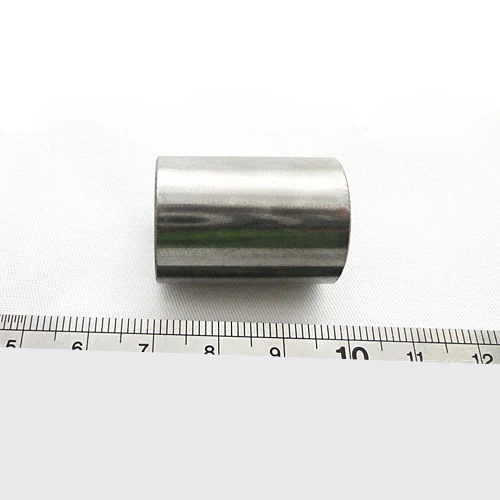 Onloyo 509179010000 EF0206000001 Oil-Bushing Bobbin Shaft Sleeve fo...$ 32.49View part →
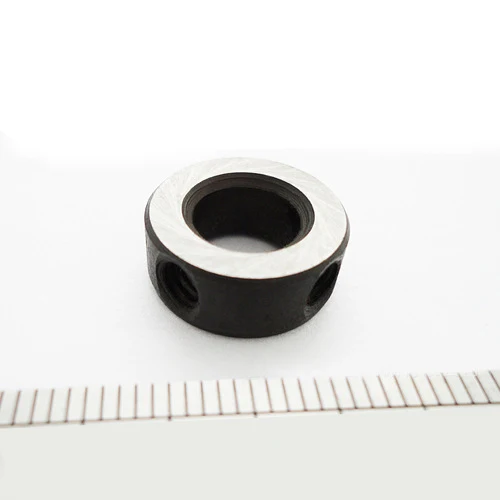 Onloyo 502107010003 Stopper Collar 7.94mm Dia. for Tajima TMEG TMFD...$ 39.49View part →
All Tajima TFKN parts → Screws, Springs & Small Parts → Thread Path & Tension → Belts, Pulleys & Gears →
3. Tajima 516503010011 MX0521010000 Thread Guide Collar Ceramic Coil 1.8mm for TMEG TMFD STNE TFKN STKN TFGN TCMX TMLH TLMX medium likelihood
How to tell
Fraying or shredding of thread, inconsistent thread path, or visible grooves/chips in the ceramic surface. Thread may catch or snag.
Fix
- Power off the machine.
- Locate the ceramic thread guide collars along the thread path.
- Carefully inspect each collar for nicks, chips, or wear grooves, especially where the thread passes through.
- If damaged, use a small screwdriver or pliers to gently remove the retaining screw or clip.
- Replace with a new ceramic coil, ensuring it's oriented correctly.
- Secure the new guide and re-thread the machine to check for smooth thread flow.
Ceramic guides are durable but can be chipped by impact or worn down by abrasive threads over time.
Parts involved: Thread path & tension →
4. Tajima 050320350000 Thread Block (FX0229000000, FN0203000000) for TMEG TMFD TMFX STNE TFKN STKN TFGN TMCE TCMX TMLH TLMX medium likelihood
How to tell
Thread slipping out of tension, inconsistent tension, or visible wear/grooves on the thread block surface. Thread may not be held securely.
Fix
- Power off the machine.
- Locate the thread blocks, typically found in the upper tension assembly.
- Inspect the surfaces where the thread passes for any signs of grooving or uneven wear.
- If wear is significant, carefully remove the retaining screws or clips.
- Replace the worn thread block with a new one, ensuring proper alignment.
- Reassemble and test thread tension with a tension gauge or by feel.
These components are critical for maintaining consistent thread tension and can wear down from constant thread friction.
Parts involved: Thread path & tension →
5. Tajima 623500270000, 623500360000, 623500400000, 623500430000 Synchronous Belt for TFMX TMAR TMEZ medium likelihood
How to tell
Skipped stitches, timing issues, unusual noises (squealing, grinding), or visible cracks, fraying, or missing teeth on the belt. Machine may struggle to maintain speed.
Fix
- Power off the machine and unplug it.
- Access the belt drive system (refer to your machine manual for specific panel removal).
- Inspect the belt for any signs of wear, stretching, cracks, or damage to the teeth.
- If replacement is needed, loosen the tensioner pulley or motor mounts.
- Carefully remove the old belt and install the new one, ensuring it's correctly seated on all pulleys.
- Adjust belt tension according to manufacturer specifications (do not overtighten).
- Reassemble panels and test machine operation, checking for smooth movement and correct timing.
Belts are essential for transferring power and maintaining timing. They degrade over time due to friction and tension.
Parts involved: Belts, pulleys & gears →
6. Tajima 090430070032 Shockproof Pad A Damper Ring for TMEG TMFD STNE TFKN STKN low likelihood
How to tell
Increased vibration, rattling noises from the needle bar area, or visible deterioration (cracking, hardening, or crumbling) of the rubber pad. Needle bar movement may feel less stable.
Fix
- Power off the machine.
- Locate the shockproof pad/damper ring, typically around the needle bar assembly.
- Inspect the pad for signs of wear, hardening, or damage.
- Carefully remove the old pad, noting its orientation.
- Install the new damper ring, ensuring it fits snugly and provides cushioning.
- Test machine operation for reduced vibration and noise.
These rubber components absorb shock and reduce vibration, but can harden and crack over time.
Parts involved: Head & mechanical parts →
Maintenance schedule
| When | What to do | Why |
|---|---|---|
| Daily | Clean the rotary hook area and bobbin case. | Removes lint and thread debris that can cause skipped stitches, thread breaks, and damage to the hook. |
| Daily | Oil the rotary hook. | Ensures smooth operation of the hook, reduces friction, and prevents premature wear. Use 1-2 drops of embroidery machine oil. |
| Daily | Wipe down the machine exterior and frame. | Prevents dust and lint from entering internal components and keeps the machine looking professional. |
| Weekly | Clean and oil needle bars and presser feet. | Removes lint and ensures smooth vertical movement, preventing stiffness and potential needle breaks. |
| Weekly | Inspect all thread guides and tension discs. | Checks for burrs, chips, or grooves that can fray thread and cause tension issues. Clean any lint buildup. |
| Weekly | Check and clean the thread take-up levers. | Ensures free movement and prevents thread from catching or breaking. |
| Monthly | Lubricate main shafts, bearings, and other moving parts (refer to manual). | Reduces friction and wear on critical mechanical components, extending machine life. |
| Monthly | Inspect synchronous belts for wear, cracks, or tension. | Ensures proper timing and power transfer. Replace if any signs of wear are present. Do not overtighten. |
| Monthly | Clean under the needle plate and around the cutting mechanism. | Removes accumulated lint and debris that can interfere with stitch quality and thread trimming. |
| Every 250-500 Hours | Perform a thorough inspection of all springs (needle retention, take-up, etc.) for fatigue. | Springs lose tension over time, leading to inconsistent performance. Proactive replacement prevents unexpected failures. |
| Every 250-500 Hours | Check for play in needle bar bushings and connecting studs. | Excessive play can lead to poor stitch quality and needle breaks. Replace worn bushings or studs as needed. |
Stop and call a technician if
- If you encounter persistent error codes that you cannot resolve with basic troubleshooting.
- For complex timing adjustments that require specialized tools or knowledge.
- If there are electrical issues, motor malfunctions, or control panel problems.
- When you suspect damage to major components like the main shaft or circuit boards.
- For any issue that you are uncomfortable diagnosing or repairing yourself, to prevent further damage.
Prevent it coming back
- Always use high-quality needles and threads appropriate for your fabric and design.
- Ensure proper thread tension settings for each job to reduce stress on thread path components.
- Avoid running the machine excessively fast, especially with dense designs, to minimize wear on moving parts.
- Keep your workspace clean to prevent dust and lint from accumulating inside the machine.
- Follow a strict lubrication schedule using only recommended embroidery machine oil.
- Train operators on proper machine handling and basic troubleshooting to prevent minor issues from escalating.
Frequently asked questions
How often should I lubricate my Tajima TFKN machine?
Lubrication frequency depends on usage. Generally, daily oiling of the rotary hook and weekly oiling of other moving parts is recommended. Always refer to your machine's manual for specific lubrication points and intervals. Using the correct type of embroidery machine oil is crucial.
What are the most common causes of thread breaks on a TFKN?
Thread breaks are often caused by worn thread path components (like ceramic guides or thread blocks), incorrect tension settings, burrs on the needle plate or rotary hook, a damaged needle, or a worn hook thread take-up spring. Regular inspection and replacement of these parts can prevent many issues.
Can I perform all maintenance myself, or do I need a technician?
Many routine maintenance tasks like cleaning, oiling, and replacing common wear parts (springs, thread guides) can be performed by an operator. However, complex repairs, timing adjustments, or electrical issues should be handled by a qualified technician to avoid further damage.
How do I know when to replace a synchronous belt?
Inspect synchronous belts regularly for signs of wear such as cracks, fraying, missing teeth, or excessive stretching. If you notice inconsistent stitching, timing errors, or unusual noises, a worn belt could be the culprit. Replace it proactively to prevent unexpected downtime.
Did this guide fix your machine?
Rate it - it helps other operators find the right fix.
Not sure which part is failing?
Need the logo stitched too?
Get your logo digitized by the people who know this machine
Upload the artwork, see the stitch count and the exact price in 10 seconds, then order with a free sew-out preview. $1 per 1,000 stitches, $10 minimum, 24-hour delivery. Vector conversion from $12.
After the fix
Fixed it? Keep the rest of the shop moving.
OS 360 is the shop software from the team behind this parts store. Every job keeps its status, deadline and owner while a TFKN head is down, restock alerts fire for needles, hooks and bobbins before you run dry, and quotes, invoices and payment live in one place.
- Jobs with status, deadline and owner - nothing slips during downtime
- Inventory with restock alerts, this store one click away
- Instant quotes, invoices and one place to collect payment