
Blog
Barudan BEVT Series Embroidery Machine Maintenance Guide

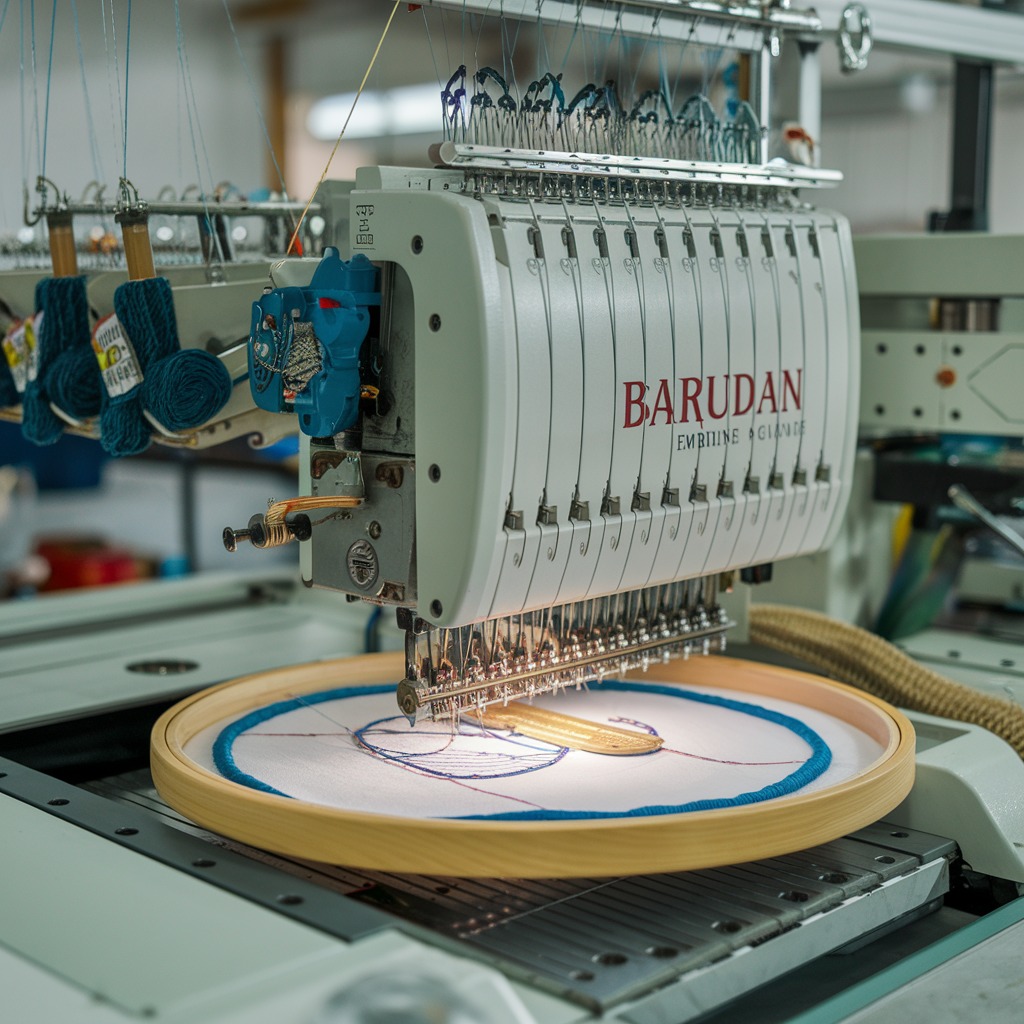
Quick answer: Regular maintenance of your Barudan BEVT series embroidery machine is crucial for optimal performance and longevity. Focus on daily cleaning, weekly lubrication, and periodic inspection and replacement of wear parts like needles, rotary hooks, and thread trimmer blades to prevent common issues and ensure high-quality embroidery.
The Barudan BEVT series embroidery machine is a workhorse, but like any precision equipment, it requires regular care to maintain its performance and extend its lifespan. This guide provides a comprehensive maintenance schedule and identifies common wear parts, helping you keep your BEVT running smoothly and producing high-quality embroidery. Consistent maintenance prevents costly downtime and ensures your machine operates at its best.
Two-minute checks before you open anything
- Check for loose threads or lint buildup in the bobbin area and under the needle plate.
- Inspect needles for bends, burrs, or dullness.
- Verify that thread paths are clear and tension discs are clean.
- Listen for any unusual noises during operation.
- Check the oil level in the rotary hook (if applicable) and lubricate as needed.
1. Needles high likelihood
How to tell
Frequent thread breaks, skipped stitches, needle breaks, or dull/bent needle tips visible upon inspection. Poor stitch quality or fabric damage.
Fix
- Inspect needles daily for bends, burrs, or dullness. Replace immediately if any damage is found.
- Always use the correct needle type and size for your fabric and thread.
- Replace all needles after a set number of production hours (e.g., 8-16 hours of continuous use) or when starting a new large project, even if they appear fine, to prevent unexpected issues.
Parts involved: Needles & needle bars →
2. Rotary Hook Assembly high likelihood
How to tell
Noisy operation, frequent thread breaks, loose stitches, bobbin thread showing on top, or bird's nesting. Inspect the hook point for burrs, nicks, or excessive wear.
Fix
- Remove the bobbin case and clean the rotary hook area daily, removing lint and thread debris.
- Inspect the hook point and race for damage or wear. Smooth any minor burrs with fine-grit sandpaper or a hook file, but replace if damage is significant.
- Lubricate the rotary hook race with a drop or two of high-quality embroidery machine oil daily or every few hours of operation.
- If issues persist after cleaning and lubrication, consider replacing the entire rotary hook assembly.
We stock high-quality replacement rotary hooks compatible with Barudan BEVT series machines.
Parts involved: Rotary hooks & bobbin cases →
Parts you may need for Barudan BEVT
In stock, tested before dispatch, Buyer Protection on every order. Part types for this problem: Rotary hooks & bobbin cases, Needles & needle bars, Thread path & tension, Cutters & trimmers.
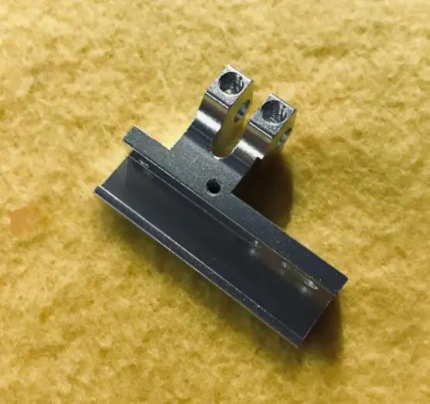 Barudan HT230290 Needle Bar Driver Fixing Base Block for BEAT, BEVT...$ 28.09View part →
 IHSS57-36-10-RC/EC Nema23 1.2Nm Integrated Stepper Motor Driver for...$ 226.49View part →
 Hirose HSH-7.94ATR(MTQ) KHS12-RYP Rotary Hook for Tajima, Barudan, ...$ 18.09View part →
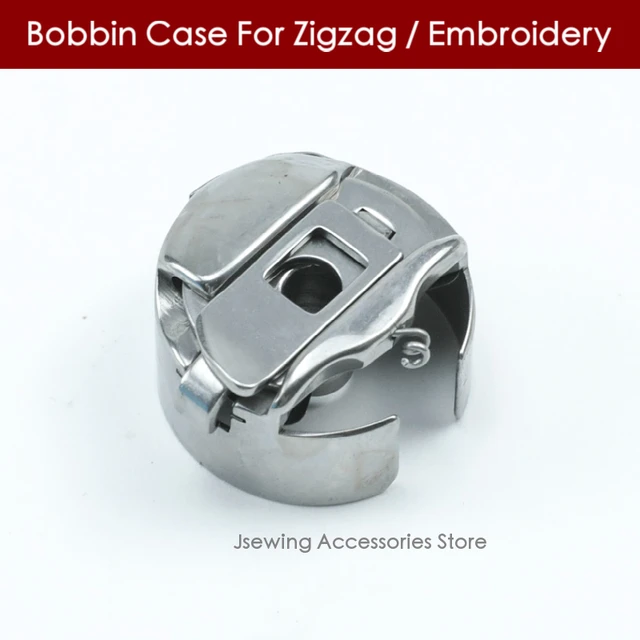 Industrial BC-DBZ(1)-NBL6 Bobbin Case for Barudan TZ1 LE2, Brother ...$ 8.49View part →
 Koban KHS12-RYP Rotary Hook with Trimmer for Tajima, Barudan, SWF, ...$ 37.29View part →
 BC-DBZ(1)-NBL6 Bobbin Case for Barudan TZ1, Brother BAS-400, JUKI L...$ 8.49View part →
All Barudan BEVT parts → Rotary Hooks & Bobbin Cases → Needles & Needle Bars → Thread Path & Tension →
3. Thread Trimmer Blades (Fixed and Moving) high likelihood
How to tell
Inconsistent thread trims, partial trims, or threads not trimming at all. Excessive thread tails after a trim. Visible dullness or nicks on the blade edges.
Fix
- Inspect the fixed and moving trimmer blades regularly for sharpness and damage. Refer to the '02 Thread cut' section of your parts book.
- Clean the trimmer area of lint and thread buildup.
- If blades are dull or damaged, replace both the fixed and moving blades simultaneously for optimal performance. Ensure proper alignment after replacement.
Parts involved: Cutters & trimmers →
4. Thread Path Components (Tension Discs, Thread Guides) medium likelihood
How to tell
Frequent thread breaks, inconsistent tension, or poor stitch quality. Visible grooves, burrs, or wear on tension discs, thread guides, or take-up levers. Refer to '03 Take up lever' and '06 Thread guide' sections.
Fix
- Clean all thread path components (pre-tensioners, main tension discs, thread guides, take-up lever) daily with a soft brush or compressed air.
- Inspect for any nicks, burrs, or grooves that could snag or fray thread. Smooth minor imperfections with fine-grit sandpaper or replace the affected component.
- Ensure tension discs are clean and move freely, and that the take-up lever operates smoothly without obstruction.
Parts involved: Thread path & tension →
5. Needle Bar Driver Fixing Base Block medium likelihood
How to tell
Excessive play or wobble in the needle bar, inconsistent needle depth, or unusual noise from the needle bar area. Poor stitch registration or needle breaks. Refer to '04 Needle bar' sections.
Fix
- Periodically inspect the needle bar driver fixing base block for signs of wear, cracks, or loosening.
- Ensure all screws securing the block are tight. Refer to your machine's manual for specific torque settings.
- If significant wear or damage is present, replace the Barudan HT230290 Needle Bar Driver Fixing Base Block for BEAT, BEVT, BEDT, BENZ, BEXY Series to restore proper needle bar stability and movement.
We stock the Barudan HT230290 Needle Bar Driver Fixing Base Block for BEAT, BEVT, BEDT, BENZ, BEXY Series.
Parts involved: Needles & needle bars → Head & mechanical parts →
6. Drive Belts (Pantograph, Head Drive) low likelihood
How to tell
Squealing noises, inconsistent pantograph movement, skipped stitches, or poor registration. Visible fraying, cracking, or stretching of belts. Refer to '08 Drive' and '10 Pantograph drive' sections.
Fix
- Inspect all drive belts (pantograph X/Y, main head drive) for tension, wear, and damage every few months.
- Ensure belts are free of debris and properly aligned.
- If a belt shows signs of wear, stretching, or damage, replace it. Consult your machine manual for correct tensioning procedures.
Parts involved: Belts, pulleys & gears →
7. Integrated Stepper Motor Driver low likelihood
How to tell
Erratic or no movement from a specific motor (e.g., color change, pantograph axis), motor overheating, or error codes related to motor drivers. This is often a sudden failure rather than gradual wear.
Fix
- If a motor is malfunctioning, first check its wiring connections for looseness or damage.
- If the motor itself is confirmed to be working (e.g., by swapping with a known good motor or testing), the integrated stepper motor driver may be faulty.
- Replace the faulty driver. Ensure the replacement is compatible, such as the IHSS57-36-10-RC/EC Nema23 1.2Nm Integrated Stepper Motor Driver, if applicable to the specific motor experiencing issues.
We stock the IHSS57-36-10-RC/EC Nema23 1.2Nm Integrated Stepper Motor Driver for Tajima, Barudan, Ricoma, HappyJapan, SWF.
Parts involved: Motors & drivers → Circuit boards & electronics →
Maintenance schedule
| When | What to do | Why |
|---|---|---|
| Daily (or every 4-8 hours of operation) | Clean the rotary hook area and needle plate. | Removes lint and thread debris that can cause thread breaks, skipped stitches, and damage to the hook. |
| Daily (or every 4-8 hours of operation) | Lubricate the rotary hook. | Ensures smooth operation of the hook, reduces friction, and prevents wear and overheating. |
| Daily | Inspect and replace needles. | Prevents thread breaks, skipped stitches, and fabric damage from dull or bent needles. |
| Weekly | Clean entire thread path. | Removes lint and wax buildup from tension discs, thread guides, and take-up levers, ensuring consistent thread flow and tension. |
| Weekly | Clean and inspect thread trimmer blades. | Ensures clean and consistent thread trims, preventing tangles and missed cuts. |
| Weekly | Lubricate needle bars and color change mechanism. | Ensures smooth movement of these critical components, reducing wear and noise. Refer to your manual for specific points. |
| Monthly | Inspect drive belts and pulleys. | Checks for wear, proper tension, and alignment to prevent skipped stitches, poor registration, and belt failure. Refer to '08 Drive' and '10 Pantograph drive' sections. |
| Monthly | Clean and inspect pantograph rails and bearings. | Ensures smooth X/Y movement, preventing jerky motion and poor registration. Lubricate if recommended by the manual. |
| Every 500-1000 hours (or Annually) | Comprehensive inspection of all wear parts. | Identifies components like the Needle Bar Driver Fixing Base Block, bearings, or specific motor drivers that may be nearing end-of-life, allowing for proactive replacement. |
| Every 500-1000 hours (or Annually) | Professional service and calibration. | Ensures all machine timings, tensions, and alignments are within manufacturer specifications, optimizing performance and extending machine life. |
Stop and call a technician if
- If you encounter persistent error codes that cannot be resolved with basic troubleshooting.
- If there is significant mechanical damage or misalignment that you are not comfortable addressing.
- For electrical issues or motor failures beyond simple driver replacement.
- If the machine is making unusual grinding or clunking noises that don't resolve with cleaning and lubrication.
- For annual preventative maintenance checks and complex adjustments.
Prevent it coming back
- Always use high-quality needles, threads, and backings appropriate for your project.
- Avoid running the machine excessively fast, especially on dense designs or difficult materials.
- Ensure proper hooping tension to prevent fabric movement and needle deflection.
- Keep your work area clean to prevent dust and debris from entering the machine.
- Regularly check and tighten any loose screws or fasteners.
- Never force parts or make adjustments without consulting your machine's manual.
Frequently asked questions
How often should I lubricate my Barudan BEVT machine?
The rotary hook should be lubricated daily or every few hours of operation. Other moving parts, like needle bars and color change mechanisms, typically require lubrication weekly or monthly. Always refer to your Barudan BEVT operator's manual for specific lubrication points and recommended intervals.
What kind of oil should I use for my Barudan BEVT?
Always use high-quality, clear, non-staining embroidery machine oil. Avoid using general-purpose oils that can gum up or stain your embroidery. Check your machine's manual for specific oil recommendations.
Why is my Barudan BEVT machine making a new noise?
Unusual noises often indicate a problem. It could be a dry rotary hook, a loose screw, a worn bearing, or a foreign object in the mechanism. Stop the machine, clean and lubricate thoroughly, and inspect for any visible issues. If the noise persists, consult your manual or a technician.
Can I perform all maintenance myself?
Many routine maintenance tasks like cleaning, lubrication, and basic part replacements (needles, hooks, trimmer blades) can be done by the operator. However, complex repairs, electrical issues, or adjustments requiring specialized tools or knowledge should be handled by a qualified technician.
From the Barudan BEVT-Z1501CII parts book
The assemblies involved in this problem, as the manufacturer lists them. Open a section to see every part number, which ones we stock, and get a price on the rest.
Did this guide fix your machine?
Rate it - it helps other operators find the right fix.
Not sure which part is failing?
Need the logo stitched too?
Get your logo digitized by the people who know this machine
Upload the artwork, see the stitch count and the exact price in 10 seconds, then order with a free sew-out preview. $1 per 1,000 stitches, $10 minimum, 24-hour delivery. Vector conversion from $12.
After the fix
Fixed it? Keep the rest of the shop moving.
OS 360 is the shop software from the team behind this parts store. Every job keeps its status, deadline and owner while a BEVT head is down, restock alerts fire for needles, hooks and bobbins before you run dry, and quotes, invoices and payment live in one place.
- Jobs with status, deadline and owner - nothing slips during downtime
- Inventory with restock alerts, this store one click away
- Instant quotes, invoices and one place to collect payment