
Blog
Barudan BEKY Series Embroidery Machine: Common Problems & Fixes

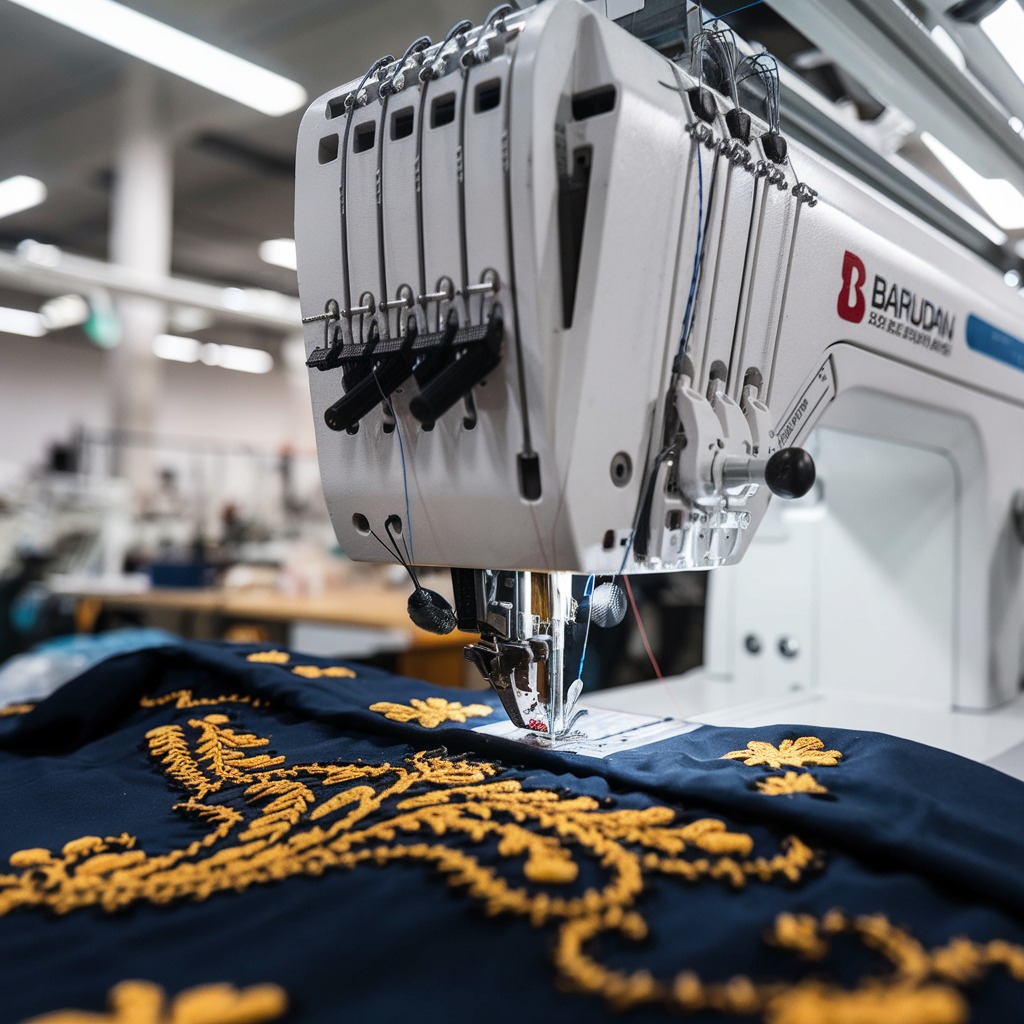
Quick answer: Most Barudan BEKY embroidery machine problems like thread breaks, skipped stitches, or design loading issues can be resolved by checking thread path, needle condition, bobbin tension, and ensuring proper machine maintenance. For design loading, consider a USB floppy emulator upgrade.
The Barudan BEKY series embroidery machines are workhorses, known for their reliability. However, like any complex machinery, they can encounter issues over time. This guide from 360 Digitizing Shop is designed to help operators quickly diagnose and resolve the most common problems, getting your machine back to peak performance. We'll cover everything from thread breaks to design loading errors, providing clear, actionable steps and identifying the parts you might need.
Two-minute checks before you open anything
- Is the machine plugged in and powered on?
- Is the emergency stop button disengaged?
- Are all machine covers and safety doors closed properly?
- Is the thread correctly loaded through all guides and tension discs?
- Is the bobbin correctly inserted and tensioned?
- Is the needle inserted correctly and not bent or dull?
- Is the fabric hooped securely with adequate backing?
- Are there any error messages on the control panel?
1. Frequent Thread Breakage high likelihood
How to tell
The machine stops frequently, displaying a thread break error, or you notice loose threads and incomplete stitching on your design.
Fix
- Check the thread path for any snags, twists, or obstructions from the cone to the needle. Ensure the thread is correctly seated in all guides and tension discs.
- Inspect the needle for bends, burrs, or dullness. Replace the needle if it shows any signs of damage. Ensure the needle is inserted correctly and facing the right direction.
- Verify the upper thread tension. It should be firm enough to pull the thread smoothly but not so tight that it snaps. Adjust tension knobs incrementally.
- Check the bobbin tension. It should be consistent and not too tight or too loose. A simple drop test can help: hold the bobbin case by the thread and it should slowly unwind a few inches.
- Clean the thread path, tension discs, and rotary hook area of any lint or debris.
- Ensure you are using the correct thread type and weight for your needle size and fabric.
- Inspect the rotary hook for any burrs or damage that could be snagging the thread. If damaged, replacement may be necessary.
A damaged rotary hook can cause thread breaks. Consider the Koban KHS20-RYP2 Rotary Hook Jumbo 2.0X with Trimmer for Barudan BEKY.
Parts involved: Needles & needle bars → Thread path & tension → Rotary hooks & bobbin cases → Lubrication & maintenance → Threads & supplies →
2. Skipped Stitches high likelihood
How to tell
Your embroidery design has gaps or missing stitches, appearing as uneven or incomplete lines.
Fix
- Replace the needle. A bent, dull, or incorrect needle is a primary cause of skipped stitches. Ensure it's the correct type and size for your fabric and thread.
- Check the needle insertion. The needle scarf must face the rotary hook for proper loop formation.
- Verify the upper thread tension. Too loose tension can prevent proper loop formation for the hook to catch.
- Inspect the bobbin case and bobbin for proper seating and tension.
- Ensure the fabric is hooped correctly and taut, without wrinkles or slack. Use appropriate backing.
- Clean the rotary hook area. Lint buildup can interfere with hook timing and thread pickup.
- Check for any play in the needle bar or presser foot mechanism. Loose components can affect stitch formation.
Parts involved: Needles & needle bars → Thread path & tension → Rotary hooks & bobbin cases → Hoops & frames → Lubrication & maintenance → Head & mechanical parts →
Parts you may need for Barudan BEKY
In stock, tested before dispatch, Buyer Protection on every order. Part types for this problem: Needles & needle bars, Thread path & tension, Rotary hooks & bobbin cases, Lubrication & maintenance.
 IHSS57-36-10-RC/EC Nema23 1.2Nm Integrated Stepper Motor Driver for...$ 226.49View part →
 Koban KHS20-RYP2 Rotary Hook Jumbo 2.0X with Trimmer for Tajima TMA...$ 74.99View part →
 Hirose HSH-7.94ATR(MTQ) KHS12-RYP Rotary Hook for Tajima, Barudan, ...$ 18.09View part →
 Industrial BC-DBZ(1)-NBL6 Bobbin Case for Barudan TZ1 LE2, Brother ...$ 8.49View part →
 Koban KHS12-RYP Rotary Hook with Trimmer for Tajima, Barudan, SWF, ...$ 37.29View part →
 BC-DBZ(1)-NBL6 Bobbin Case for Barudan TZ1, Brother BAS-400, JUKI L...$ 8.49View part →
All Barudan BEKY parts → Needles & Needle Bars → Thread Path & Tension → Rotary Hooks & Bobbin Cases →
3. Bird's Nesting (Thread Bunching Under Fabric) medium likelihood
How to tell
A tangled mess of thread forms on the underside of your fabric, often causing the machine to jam or stop.
Fix
- The most common cause is incorrect upper thread tension, usually too loose. Increase the upper thread tension incrementally until the nesting stops.
- Ensure the bobbin is wound correctly and inserted properly into the bobbin case. Check bobbin tension; it should be consistent.
- Clean the bobbin case and rotary hook area thoroughly. Lint buildup can interfere with thread movement.
- Verify the needle is inserted correctly and is not bent or damaged.
- Ensure the presser foot is set at the correct height and is not too high or too low for the fabric thickness.
- Check that the fabric is hooped securely and taut, with appropriate stabilizer.
Parts involved: Thread path & tension → Rotary hooks & bobbin cases → Needles & needle bars → Hoops & frames → Lubrication & maintenance → Presser feet & sewing parts →
4. Machine Not Reading Designs from Floppy Drive medium likelihood
How to tell
The machine displays an error message related to the floppy disk, cannot find the design file, or fails to load the design.
Fix
- Ensure the floppy disk is inserted correctly and is not damaged or corrupted. Try a different, known-good floppy disk.
- Verify the design file format is compatible with your Barudan BEKY machine (e.g., .U01).
- Clean the floppy drive head using a floppy drive cleaning kit.
- Consider upgrading your floppy drive to a USB floppy emulator. This eliminates reliance on fragile floppy disks and allows for easier design transfer via USB stick.
- If using an emulator, ensure the USB stick is formatted correctly (FAT32) and the design files are placed in the root directory or correct virtual floppy folders.
Upgrade to a Gotek SFRM72-FU USB Floppy Emulator for Barudan BEKY or an EILASUNG FDD-UDD U144K USB Floppy Drive Emulator for Barudan to resolve floppy drive issues permanently.
Parts involved: Floppy, USB & memory → Circuit boards & electronics →
5. Poor or Uneven Stitch Quality medium likelihood
How to tell
Stitches appear loose, uneven, inconsistent, or the design looks distorted.
Fix
- Adjust upper and bobbin thread tension. Imbalanced tension is a common cause. The bobbin thread should show about 1/3 on the top side of the fabric.
- Replace the needle. A worn or incorrect needle can significantly impact stitch quality.
- Ensure the fabric is hooped correctly and taut, with appropriate backing for the design density.
- Clean the entire thread path, including tension discs, thread guides, and the rotary hook area, to remove lint and debris.
- Check for any burrs or damage on the needle plate, presser foot, or rotary hook that could be snagging thread.
- Verify the machine's speed settings. Running too fast for complex designs or certain materials can reduce stitch quality.
- Lubricate the machine according to the manufacturer's recommendations. Lack of lubrication can cause mechanical drag and affect stitch formation.
Parts involved: Thread path & tension → Needles & needle bars → Hoops & frames → Rotary hooks & bobbin cases → Lubrication & maintenance → Presser feet & sewing parts →
6. Needle Breakage medium likelihood
How to tell
The needle snaps during operation, often with a loud 'pop' sound, and the machine stops.
Fix
- Replace the needle. Ensure you are using the correct needle type and size for your fabric and thread. A needle that is too fine for heavy fabric or too large for fine fabric can break.
- Check for a bent needle bar or presser foot. If these are out of alignment, the needle can strike them.
- Verify the fabric is hooped securely and taut. Loose fabric can 'bounce' and cause the needle to hit the hoop or needle plate.
- Inspect the needle plate hole for damage or burrs. A damaged hole can deflect the needle.
- Ensure the presser foot is at the correct height, allowing the fabric to move freely but holding it down during stitching.
- Check for any obstructions in the embroidery area, such as pins or clips.
- If using a rotary hook, check its timing. Incorrect timing can cause the needle to strike the hook.
Parts involved: Needles & needle bars → Hoops & frames → Presser feet & sewing parts → Rotary hooks & bobbin cases → Head & mechanical parts →
7. Machine Stops or Won't Sew low likelihood
How to tell
The machine is powered on but will not start stitching, or it stops mid-design without a clear error message.
Fix
- Check all safety sensors, such as the emergency stop button, hoop sensor, and thread break sensors. Ensure they are not tripped or obstructed.
- Verify the machine's door or cover is fully closed, as some models have safety interlocks.
- Ensure the design is loaded correctly and the start point is set.
- Check for any error messages on the control panel and consult your machine's manual for their meaning.
- Inspect for any visible mechanical jams, such as tangled thread in the rotary hook area or a jammed needle bar.
- If the machine stops intermittently, check the power supply and connections for stability.
- If the machine powers on but no functions respond, there might be an issue with the control panel or main circuit board. For motor-related stops, check motor drivers.
If motor issues are suspected, an IHSS57-36-10-RC/EC Nema23 Integrated Stepper Motor Driver could be a relevant replacement.
Parts involved: Sensors & switches → Control panels & displays → Circuit boards & electronics → Motors & drivers → Cables & wiring → Rotary hooks & bobbin cases →
Maintenance schedule
| When | What to do | Why |
|---|---|---|
| Daily (or every 8-10 hours of operation) | Clean the rotary hook area, needle plate, and thread path. | Removes lint and debris that can cause thread breaks, skipped stitches, and poor stitch quality. |
| Weekly | Perform a more thorough cleaning, including under the needle plate and around the tension assemblies. Lubricate key points. | Ensures smooth operation, reduces wear on moving parts, and prevents buildup in less accessible areas. Refer to your machine's manual for specific lubrication points and oil types. |
| Monthly | Check all accessible screws and bolts for tightness. Inspect belts for wear and tension. | Prevents parts from becoming loose, which can lead to misalignment, noise, and mechanical issues. Ensures optimal power transmission. |
| Annually (or every 1000-1500 hours of operation) | Professional service check-up, including timing adjustments and inspection of electrical components. | Maintains machine precision, identifies potential issues before they become major problems, and extends machine lifespan. |
Stop and call a technician if
- If the machine displays complex error codes that are not in your manual or cannot be resolved with basic troubleshooting.
- If you suspect a major electrical fault, such as a burning smell or sparks.
- If mechanical components appear severely damaged or misaligned, requiring specialized tools or expertise.
- If replacing common parts does not resolve the issue, suggesting a deeper problem with the control system or main board.
- For issues requiring precise timing adjustments, like rotary hook timing, which can be complex without proper training.
Prevent it coming back
- Perform daily cleaning of the rotary hook area, needle plate, and thread path to prevent lint buildup.
- Regularly lubricate your machine according to the manufacturer's schedule, using the recommended oil type.
- Always use high-quality needles appropriate for your fabric and thread type, and replace them frequently (e.g., every 8-10 hours of stitching).
- Ensure proper thread tension for both upper and bobbin threads to prevent nesting and breaks.
- Hoop fabric securely and tautly, using appropriate backing for the design density.
- Keep your work area clean and free of debris that could fall into the machine.
- Regularly inspect parts like the rotary hook, needle plate, and presser foot for burrs or damage.
Frequently asked questions
Why is my Barudan BEKY machine making strange noises?
Unusual noises often indicate a need for lubrication, loose mechanical parts, or debris in the rotary hook area. Check for lint, ensure all screws are snug, and lubricate according to your machine's manual. A grinding noise might indicate a motor or bearing issue.
How often should I clean my Barudan BEKY embroidery machine?
It's recommended to clean the rotary hook area and thread path daily or after every 8-10 hours of operation. A more thorough cleaning, including under the needle plate, should be done weekly. Regular cleaning prevents lint buildup that causes many common issues.
Can I use any USB drive with a floppy emulator on my BEKY machine?
Most standard USB flash drives (FAT32 formatted) will work with a USB floppy emulator. However, some older emulators might be particular about drive size or brand. It's best to use smaller capacity drives (e.g., 2GB, 4GB) and ensure your design files are in the correct virtual floppy folders or root directory.
My BEKY machine's screen is blank or not responding. What should I do?
First, check all power connections and ensure the machine is properly switched on. If the screen remains blank, try restarting the machine. If the problem persists, it could indicate an issue with the control panel, display unit, or main circuit board. This often requires professional diagnosis.
Where can I find replacement parts for my Barudan BEKY?
360 Digitizing Shop stocks a variety of replacement parts for Barudan BEKY series machines, including rotary hooks, USB floppy emulators, and motor drivers. Always ensure you select parts compatible with your specific machine model.
From the Barudan BEVT-Z1501CII parts book
The assemblies involved in this problem, as the manufacturer lists them. Open a section to see every part number, which ones we stock, and get a price on the rest.
- 01a Head Bed A36 parts · 4 in stock
- Head Bed A30 parts · 4 in stock
- 01 A Head Bed A30 parts · 4 in stock
- 02c Thread Cut C22 parts · 4 in stock
- 04b Needle Bar B35 parts · 3 in stock
- 10g Pantograph Drive G38 parts · 1 in stock
Reference book: Barudan BEVT-Z1501CII. Part numbers differ by model - search yours below and we will confirm fit.
Did this guide fix your machine?
Rate it - it helps other operators find the right fix.
Not sure which part is failing?
Need the logo stitched too?
Get your logo digitized by the people who know this machine
Upload the artwork, see the stitch count and the exact price in 10 seconds, then order with a free sew-out preview. $1 per 1,000 stitches, $10 minimum, 24-hour delivery. Vector conversion from $12.
After the fix
Fixed it? Keep the rest of the shop moving.
OS 360 is the shop software from the team behind this parts store. Every job keeps its status, deadline and owner while a BEKY head is down, restock alerts fire for needles, hooks and bobbins before you run dry, and quotes, invoices and payment live in one place.
- Jobs with status, deadline and owner - nothing slips during downtime
- Inventory with restock alerts, this store one click away
- Instant quotes, invoices and one place to collect payment





