
Blog
Pfaff 335 Series: Troubleshooting Common Issues


Quick answer: The most common issues on Pfaff 335 series machines are skipped stitches and thread breakage, often caused by a worn needle, incorrect threading, or a dirty/damaged rotary hook. Replacing the needle, rethreading, and cleaning the hook area are usually the first steps to resolve these problems.
The Pfaff 335 series, including models like the 335G and 335H, are renowned cylinder arm industrial sewing machines, workhorses in many workshops. While built for durability, even the best machines encounter issues. This guide will help you diagnose and fix the most common problems operators face, getting your Pfaff 335 back to peak performance with minimal downtime. We'll focus on practical, hands-on solutions and identify the parts you might need from our extensive inventory.
Two-minute checks before you open anything
- Is the machine threaded correctly, both top and bobbin?
- Is the needle inserted correctly and is it the right type and size?
- Is the bobbin wound evenly and inserted properly?
- Are the tension settings appropriate for your thread and fabric?
- Is the machine clean, especially around the rotary hook and needle plate?
1. Skipped Stitches high likelihood
How to tell
You'll notice gaps in your stitches, or the machine will fail to form a stitch at regular intervals, leading to an incomplete or weak seam.
Fix
- Replace the needle. A bent, dull, or incorrect needle is a primary cause of skipped stitches. Ensure you're using the correct needle system and size for your material.
- Re-thread the machine completely, ensuring the thread is correctly seated in all guides and tension discs.
- Check the bobbin and bobbin case. Ensure the bobbin is wound evenly and inserted correctly, and that the bobbin case is free of lint or damage.
- Clean the rotary hook area. Lint and debris can interfere with hook timing and thread pickup. Remove the needle plate and bobbin case, then thoroughly clean around the hook.
- Inspect the rotary hook for burrs or damage. Even small nicks can snag thread and cause skips. If damaged, the hook may need replacement.
- Verify hook timing. If the hook timing is off, the hook will not catch the needle thread loop at the correct moment. This is an advanced adjustment, often requiring a technician.
Consider replacing your Needle, PFAFF 335H, 335, 335G Needle Plate, or the DESHENG DSH-PF335 Rotary Hook for PFAFF 138 234 331 333 335, WANPING TW3-P335, HPF-335, or other compatible rotary hooks like the Fu chao KR335-V SC335-V 91-060581-91 Rotary Hook.
Parts involved: Needles & needle bars → Rotary hooks & bobbin cases → Thread path & tension → Screws, springs & small parts →
2. Thread Breakage high likelihood
How to tell
The thread snaps repeatedly during sewing, either the needle thread or the bobbin thread, causing the machine to stop or leave an unfinished seam.
Fix
- Replace the needle. A burred, bent, or incorrect needle can fray and break thread.
- Re-thread the machine and bobbin. Improper threading, especially if the thread is not seated in tension discs, can cause excessive tension and breakage.
- Check thread quality and type. Ensure the thread is suitable for your material and needle size. Old or poor-quality thread can be weak.
- Inspect the entire thread path for burrs or sharp edges, including the needle plate hole, tension discs, thread guides, and the rotary hook. Smooth any rough spots or replace damaged parts.
- Adjust tension. Too much tension (either needle or bobbin) will cause thread to snap. Start by loosening tension and gradually increasing until stitches are balanced.
- Clean the rotary hook area. Lint and debris can create friction, leading to thread fraying and breakage.
- Check the bobbin case for damage or incorrect insertion. A damaged bobbin case can snag the bobbin thread.
Common culprits include the Needle, PFAFF 335H, 335, 335G Needle Plate, and various DESHENG DSH-PF335 Rotary Hooks or Fu chao KR335-V SC335-V 91-060581-91 Rotary Hooks. Also check for worn thread guides or tension springs.
Parts involved: Needles & needle bars → Thread path & tension → Rotary hooks & bobbin cases → Screws, springs & small parts →
Parts you may need for Pfaff
In stock, tested before dispatch, Buyer Protection on every order. Part types for this problem: Needles & needle bars, Rotary hooks & bobbin cases, Thread path & tension, Presser feet & sewing parts.
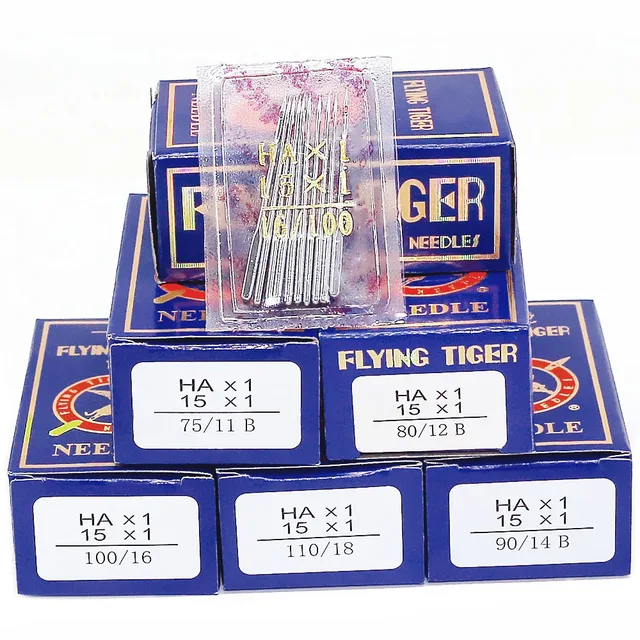 Flying Tiger HAX1 15x1 Sewing Machine Needles 100-Pack for Brother ...$ 13.99View part →
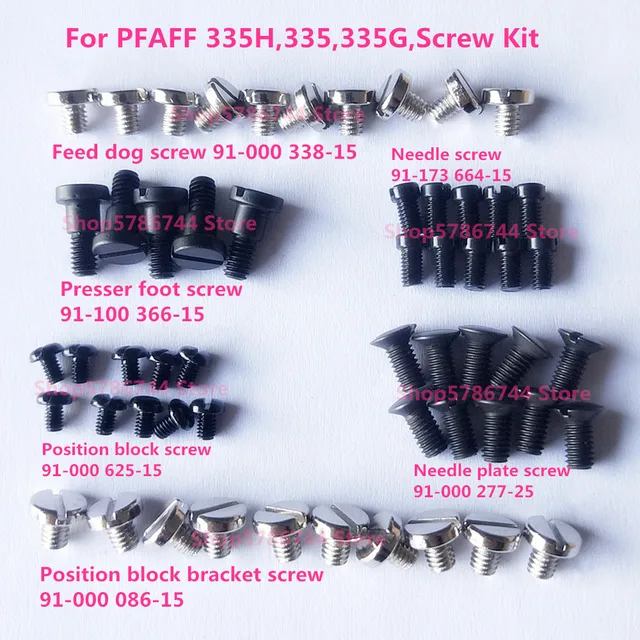 PFAFF 335H, 335, 335G Needle Plate, Feed Dog, Needle, Presser Foot,...$ 27.09View part →
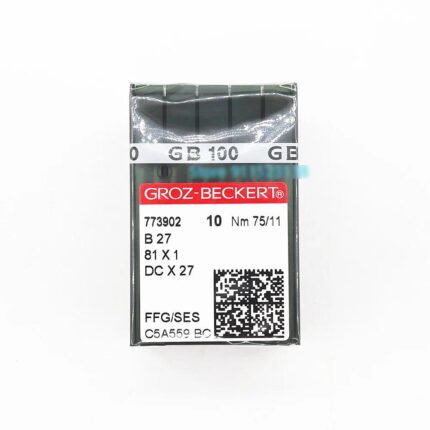 Groz-Beckert B27 DCX27 81X1 FFG/SES Industrial Sewing Needles Nm 75...$ 37.49View part →
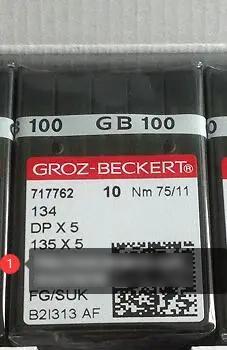 Groz-Beckert 134 DPX5 135X5 Industrial Sewing Needles 100-Pack for ...$ 39.29View part →
 KRT470-R Rotary Hook for PFAFF 471-493, GOLDEN WHEEL 9910, 9920, 88...$ 33.99View part →
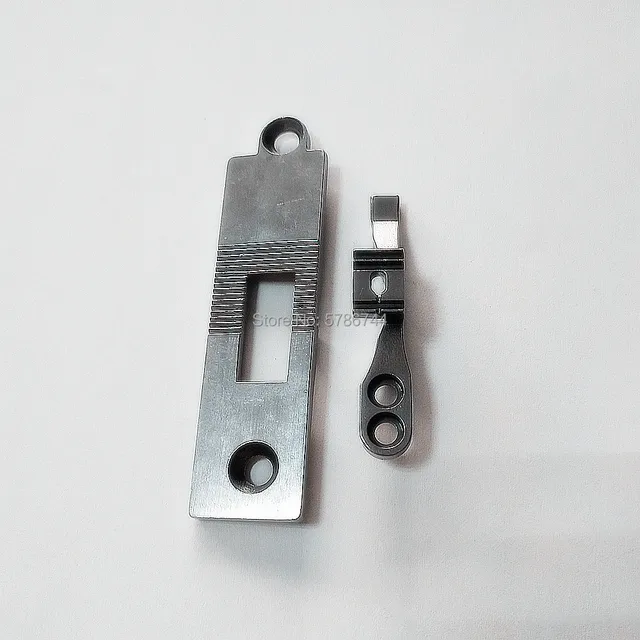 PFAFF 91-026746-04C Needle Plate & 91-026745-04C Feed Dog Set for 1...$ 36.09View part →
All Pfaff parts → Needles & Needle Bars → Rotary Hooks & Bobbin Cases → Thread Path & Tension →
3. Poor Stitch Quality (Loose/Tight Stitches) medium likelihood
How to tell
Stitches appear uneven, looped on the top or bottom of the fabric, or are too tight causing puckering, or too loose causing weak seams.
Fix
- Re-thread the machine completely, ensuring the thread is properly seated in all guides and tension discs. Don't forget the take-up lever.
- Check the bobbin winding and insertion. An unevenly wound bobbin or one inserted incorrectly can cause inconsistent bobbin thread tension.
- Adjust tension. Start with the bobbin tension (usually a small screw on the bobbin case), then adjust the needle thread tension. Aim for balanced stitches where the threads meet in the middle of the fabric layers.
- Replace the needle. A dull or bent needle can affect stitch formation.
- Clean the tension discs. Lint or debris caught in the tension discs will prevent proper tension application.
- Ensure the presser foot is appropriate for your material and is applying even pressure. Incorrect foot pressure can affect fabric feeding and stitch quality.
Consider replacing your Needle, Presser Foot, or checking the PFAFF 335H, 335, 335G Needle Plate for wear. The Unbranded 91-011755-05 Take-Up Lever can also affect stitch quality if bent or worn.
Parts involved: Thread path & tension → Needles & needle bars → Rotary hooks & bobbin cases → Presser feet & sewing parts →
4. Needle Breakage medium likelihood
How to tell
The needle snaps during sewing, often with a loud crack. This can happen repeatedly.
Fix
- Ensure the correct needle type and size are being used for your material and thread. An incorrect needle can hit the needle plate or hook.
- Check needle insertion. The needle must be inserted all the way up into the needle bar and oriented correctly (flat side facing the correct direction, usually away from the hook).
- Inspect the needle plate hole. If the hole is enlarged or burred, the needle might strike it.
- Check the presser foot. Ensure it's the correct foot for the operation and is aligned properly. A misaligned foot can cause the needle to strike it.
- Verify hook timing. If the hook is out of time, it can collide with the needle, causing it to break. This is an advanced adjustment.
- Check for bent needle bar or presser foot bar. If either is bent, the needle path will be incorrect.
- Ensure the material is feeding smoothly. Pulling or pushing the fabric excessively can bend the needle and cause it to break.
Focus on the Needle, PFAFF 335H, 335, 335G Needle Plate, Presser Foot, and Left & Right Toe Zipper Binding Feet Set. Also, check the DESHENG DSH-PF335 Rotary Hook for any signs of impact.
Parts involved: Needles & needle bars → Presser feet & sewing parts → Rotary hooks & bobbin cases → Screws, springs & small parts →
5. Machine Jamming / Handwheel Stuck low likelihood
How to tell
The machine stops abruptly, and the handwheel is difficult or impossible to turn. Often accompanied by a grinding noise or a sudden lock-up.
Fix
- Immediately turn off the machine. Do not force the handwheel.
- Remove the needle and presser foot.
- Clear the bobbin area. Remove the bobbin case and bobbin. Thoroughly clean out any tangled threads, lint, or broken needle pieces from around the rotary hook.
- Inspect the rotary hook for damage. A bent or broken hook can cause jamming. If damaged, it will need replacement.
- Check for thread tangled in the handwheel or motor area. Sometimes thread can wrap around shafts, causing a jam.
- Lubricate the machine according to your manual. Lack of lubrication can cause parts to seize, especially if the machine has been idle.
- If the jam persists after clearing visible obstructions, there may be an internal mechanical issue (e.g., seized bearing, broken gear) requiring a technician.
The primary parts to check are the DESHENG DSH-PF335 Rotary Hook, Fu chao KR335-V SC335-V 91-060581-91 Rotary Hook, or PFAFF 91-060581-91 Replacement Rotary Hook Set. Also, ensure all PFAFF 91-000 277-15 Needle Plate Cylindrical Head Screws are secure.
Parts involved: Rotary hooks & bobbin cases → Lubrication & maintenance → Screws, springs & small parts → Shafts, bearings & bushings →
Maintenance schedule
| When | What to do | Why |
|---|---|---|
| Daily / Every 8-10 hours of operation | Clean the bobbin case and rotary hook area. | Prevents lint buildup which causes skipped stitches, thread breakage, and poor stitch quality. |
| Weekly / Every 40-50 hours of operation | Lubricate all designated oiling points according to your machine's manual. | Ensures smooth operation, reduces friction and wear on moving parts, and prevents seizing. |
| Weekly / Every 40-50 hours of operation | Inspect the needle plate and feed dog for burrs or damage. | Damaged plates can snag fabric or thread, affecting stitch quality and causing breakage. |
| Monthly / Every 160-200 hours of operation | Thoroughly clean the entire machine, including under the head and in hard-to-reach areas. | Removes accumulated dust and debris that can interfere with machine function. |
| Annually / Every 2000 hours of operation | Professional servicing and timing check. | Ensures all mechanical components are correctly aligned, lubricated, and functioning optimally, extending machine lifespan. |
Stop and call a technician if
- If you suspect internal mechanical damage, such as a bent shaft or broken gear.
- If you've performed all troubleshooting steps and the issue persists.
- For advanced timing adjustments (e.g., hook timing, needle bar height) if you are not experienced.
- If the machine is making unusual grinding noises or completely seized and you cannot identify the cause.
Prevent it coming back
- Regularly clean the machine, especially the bobbin and rotary hook area, to prevent lint buildup.
- Always use the correct needle type and size for your fabric and thread.
- Replace needles frequently, typically after 8 hours of continuous sewing or at the first sign of dullness or bending.
- Lubricate the machine according to the manufacturer's manual to ensure smooth operation and prevent wear.
- Use high-quality thread suitable for industrial machines to minimize breakage and improve stitch quality.
- Ensure proper machine setup, including correct threading and tension adjustments, before starting any project.
Frequently asked questions
Why does my Pfaff 335 keep breaking needles?
Needle breakage on a Pfaff 335 is often due to using the wrong needle type or size, improper needle insertion, a bent needle bar, or the needle striking the needle plate or rotary hook. Always ensure the needle is correctly inserted, the right type for your material, and check for any obstructions in its path.
How often should I clean the rotary hook on my Pfaff 335?
For optimal performance, clean the rotary hook area daily or after every 8-10 hours of operation, especially when working with lint-producing materials. Regular cleaning prevents lint buildup that can cause skipped stitches and thread breakage.
My Pfaff 335 stitches are looping on the bottom. What's wrong?
Loops on the bottom of the fabric typically indicate that the top (needle) thread tension is too loose, or the bobbin thread tension is too tight. Re-thread the machine carefully, ensuring the needle thread is properly seated in the tension discs, and then adjust the top tension. Also, check your bobbin winding and bobbin case tension.
Can I use any rotary hook in my Pfaff 335?
No, you must use a rotary hook specifically designed for the Pfaff 335 series. We stock several compatible options like the DESHENG DSH-PF335 Rotary Hook for PFAFF 138 234 331 333 335 and the Fu chao KR335-V SC335-V 91-060581-91 Rotary Hook for PFAFF 333 335 335G. Always verify compatibility with your specific machine model.
Did this guide fix your machine?
Rate it - it helps other operators find the right fix.
Not sure which part is failing?
Need the logo stitched too?
Get your logo digitized by the people who know this machine
Upload the artwork, see the stitch count and the exact price in 10 seconds, then order with a free sew-out preview. $1 per 1,000 stitches, $10 minimum, 24-hour delivery. Vector conversion from $12.
After the fix
Fixed it? Keep the rest of the shop moving.
OS 360 is the shop software from the team behind this parts store. Every job keeps its status, deadline and owner while a Pfaff head is down, restock alerts fire for needles, hooks and bobbins before you run dry, and quotes, invoices and payment live in one place.
- Jobs with status, deadline and owner - nothing slips during downtime
- Inventory with restock alerts, this store one click away
- Instant quotes, invoices and one place to collect payment