
Blog
Juki DNU-1541 Series Maintenance Guide


Quick answer: Regular maintenance, including cleaning, lubrication, and timely replacement of wear parts like needles, needle plates, feed dogs, and rotary hooks, is crucial for the optimal performance and longevity of your Juki DNU-1541 series machine.
The Juki DNU-1541 series is a workhorse in industrial sewing, known for its robust construction and consistent performance, especially with heavy materials. To ensure your machine continues to operate at peak efficiency and avoid costly downtime, regular and thorough maintenance is essential. This guide provides a practical maintenance schedule and identifies common wear parts, helping you keep your DNU-1541 running smoothly for years to come.
Two-minute checks before you open anything
- Check oil level in the oil pan.
- Inspect needle for sharpness and straightness.
- Listen for any unusual noises during operation.
- Check for lint buildup around the needle bar, presser foot, and bobbin area.
- Verify stitch quality on a scrap piece of fabric.
1. Needles high likelihood
How to tell
Skipped stitches, thread breakage, fabric damage (snags or holes), dull or bent needle point, excessive noise during sewing.
Fix
- Inspect the needle point for dullness, burrs, or bends. Run a finger over the point (carefully!) to feel for roughness.
- Replace the needle immediately if any damage is found or after approximately 8-10 hours of continuous sewing, or at the start of each major project.
- Ensure the correct needle system and size are used for your material and thread.
Parts involved: Needles & needle bars →
2. Needle Plate and Feed Dog high likelihood
How to tell
Uneven stitch formation, fabric not feeding smoothly, fabric damage (scratches or snags), excessive thread breakage, burrs or nicks visible around the needle hole or on the feed dog teeth.
Fix
- Remove the needle plate and feed dog. Clean thoroughly to remove lint and debris.
- Inspect the needle hole for enlargement, burrs, or sharp edges. Check the feed dog teeth for wear, damage, or accumulation of hardened lint.
- Minor burrs can sometimes be carefully smoothed with a very fine abrasive, but significant wear or damage requires replacement.
- Ensure proper alignment and secure fastening when reinstalling.
We stock the Industrial Binding Sewing Needle Plate & Feed Dog Set for Consew 206RB, Juki DNU-1541, Juki 241, GC0618-1 Walking Foot Machines.
Parts involved: Presser feet & sewing parts →
Parts you may need for Juki
In stock, tested before dispatch, Buyer Protection on every order. Part types for this problem: Rotary hooks & bobbin cases, Needles & needle bars, Thread path & tension, Presser feet & sewing parts.
 Flying Tiger DBx1 Industrial Lockstitch Needles, 100 pcs/box, Sizes...$ 12.09View part →
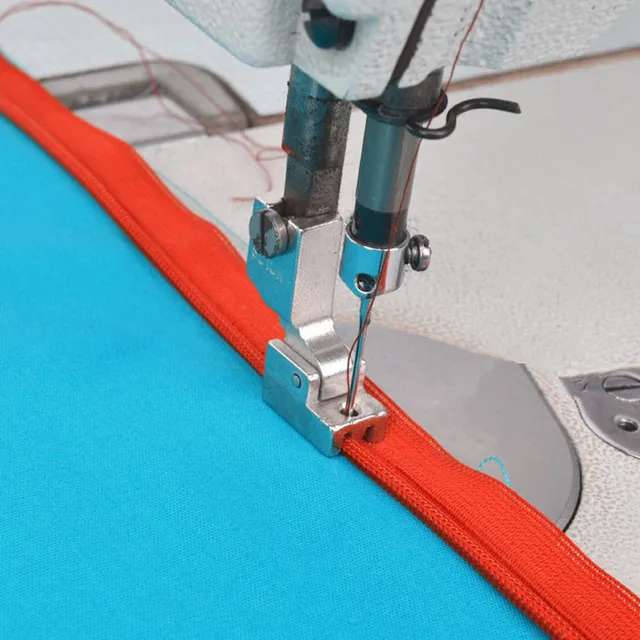 Industrial Sewing Machine Zipper Presser Foot S518N - Compatible wi...$ 8.49View part →
 Flying Tiger HAX1 15x1 Sewing Machine Needles 100-Pack for Brother ...$ 13.99View part →
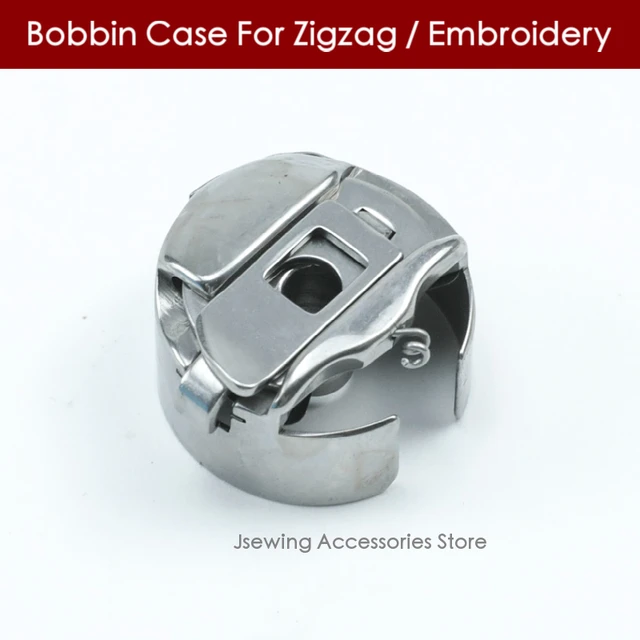 Industrial BC-DBZ(1)-NBL6 Bobbin Case for Barudan TZ1 LE2, Brother ...$ 8.49View part →
 BC-DBZ(1)-NBL6 Bobbin Case for Barudan TZ1, Brother BAS-400, JUKI L...$ 8.49View part →
 Rotary Hook HSH-7.94B HSH-7.94A B1830-127-OAO for JUKI DDL-5550 DDL...$ 16.49View part →
All Juki parts → Rotary Hooks & Bobbin Cases → Needles & Needle Bars → Thread Path & Tension →
3. Rotary Hook medium likelihood
How to tell
Skipped stitches, loose or inconsistent stitch quality, thread looping on the underside, excessive noise from the bobbin area, thread shredding, burrs or nicks on the hook point or race.
Fix
- Remove the bobbin case and inspect the hook point (the sharp tip that catches the needle thread) for burrs, nicks, or dullness. Also check the hook race for scratches or grooves.
- Clean the hook area thoroughly, removing all lint and thread bits.
- Minor burrs on the hook point can sometimes be carefully polished with very fine sandpaper (e.g., 600-800 grit), but significant damage or wear necessitates replacement.
- After replacement, ensure proper hook timing and needle-to-hook clearance according to your machine's service manual.
We stock Desheng DSH2-241 Rotary Hook for JUKI DNU-241, DNU-246, DNU-261, DNU-1541 and HSM-A1TR(280) Rotary Hook B1830-241-HA0 KHS20-HPEW for JUKI DSC-246U DNU261H DNU-1541 Sewing Machines.
Parts involved: Rotary hooks & bobbin cases →
4. Thread Tension Assembly low likelihood
How to tell
Inconsistent stitch tension, looping or puckering, thread shredding or breaking at the tension discs, difficulty adjusting tension, visible damage to tension discs or springs.
Fix
- Remove the tension assembly cover and inspect the tension discs for grooves, nicks, or embedded lint. Check the tension spring for proper function and corrosion.
- Clean the tension discs thoroughly with a brush or compressed air. Ensure they open and close freely when the presser foot is lifted.
- If discs are grooved or damaged, or if the spring is weak, the entire assembly may need replacement to restore proper tension control.
We stock Juki #400-19906 Thread Tension Assembly for DNU-1541 & DNU-1541S Sewing Machines.
Parts involved: Thread path & tension →
5. Knee Lifter Joint low likelihood
How to tell
Knee lifter feels loose or sloppy, presser foot does not lift consistently or fully, excessive play in the knee lifter mechanism, visible wear or breakage at the joint pivot points.
Fix
- Inspect the knee lifter joint for excessive play, cracks, or worn pivot points. Check if screws are loose.
- Tighten any loose screws. If the joint itself is worn or broken, it will need to be replaced.
- Lubricate pivot points as part of your regular maintenance.
We stock Juki Knee Lifter Joint for DNU-1541, LU-1508, LU-1510 Industrial Sewing Machines.
Parts involved: Head & mechanical parts →
Maintenance schedule
| When | What to do | Why |
|---|---|---|
| Daily (or every 8-10 hours of operation) | Check oil level and replenish if necessary. | Ensures continuous lubrication for all moving parts, preventing wear and overheating. |
| Daily (or every 8-10 hours of operation) | Clean the bobbin case, rotary hook area, and feed dogs. | Removes lint and thread bits that can interfere with stitch formation, cause skipped stitches, or damage the hook. |
| Daily (or every 8-10 hours of operation) | Replace the needle. | A sharp, straight needle is crucial for consistent stitch quality and prevents fabric damage and thread breakage. |
| Weekly | Clean the entire machine head, including tension discs, thread guides, and under the needle plate. | Prevents lint buildup from affecting thread path, tension, and overall machine performance. |
| Weekly | Inspect needle plate and feed dog for burrs or wear. | Early detection of damage prevents fabric snags, uneven feeding, and poor stitch quality. |
| Monthly (or every 160-200 hours of operation) | Inspect the rotary hook for burrs, nicks, or excessive wear. | Ensures smooth thread pickup and prevents skipped stitches or thread shredding. Timely replacement avoids more severe issues. |
| Monthly (or every 160-200 hours of operation) | Check all accessible screws for tightness, especially around the needle bar, presser foot, and feed dog mechanisms. | Prevents parts from loosening during operation, which can lead to misalignment, vibration, and damage. |
| Every 6-12 months (or 1000-2000 hours of operation) | Change the oil in the oil pan. | Old oil can become contaminated with debris and lose its lubricating properties, leading to increased wear on internal components. Refer to your manual for exact intervals. |
| Annually (or every 2000 hours of operation) | Inspect the thread tension assembly for wear or damage. | Ensures consistent thread tension, which is vital for balanced stitches. Worn discs or springs can cause chronic tension problems. |
| Annually (or every 2000 hours of operation) | Inspect the knee lifter joint and other mechanical linkages for wear and lubricate pivot points. | Maintains smooth operation of the presser foot lift mechanism and prevents excessive play or binding. |
Stop and call a technician if
- If you experience persistent skipped stitches, thread breakage, or poor stitch quality after performing basic maintenance.
- If the machine makes unusual noises (grinding, knocking) that you cannot identify or resolve.
- If there is oil leakage or the automatic lubrication system is not functioning correctly.
- For complex repairs involving timing adjustments, motor issues, or electronic component failures.
- If you are unsure about any repair step or feel uncomfortable performing it yourself.
Prevent it coming back
- Always use high-quality needles, thread, and bobbins appropriate for your material.
- Ensure the machine is properly threaded before starting to sew.
- Avoid pulling or pushing fabric excessively, which can bend needles or damage feed dogs.
- Keep your work area clean to prevent dust and lint from entering the machine.
- Use only the recommended sewing machine oil and maintain proper oil levels.
- Never force the machine; investigate and resolve any resistance or unusual sounds immediately.
Frequently asked questions
How often should I oil my Juki DNU-1541?
The Juki DNU-1541 series has an automatic lubrication system. You should check the oil level daily and ensure the oil pan is filled to the correct mark. The oil itself should be changed periodically, typically every 6-12 months depending on usage, or as recommended in your machine's specific manual.
What kind of oil should I use for my Juki DNU-1541?
Always use high-quality, clear, non-detergent sewing machine oil specifically designed for industrial machines. Refer to your machine's manual for the exact viscosity and type recommended by Juki. Using the wrong oil can cause damage.
Why is my Juki DNU-1541 skipping stitches?
Skipped stitches are often caused by a dull or bent needle, incorrect needle size or type, improper threading, issues with the rotary hook (burrs or timing), or problems with the needle plate or feed dog. Start by replacing the needle and re-threading the machine, then inspect the hook and needle plate.
How do I clean the tension discs on my Juki DNU-1541?
To clean the tension discs, lift the presser foot to open them. Use a thin piece of fabric, dental floss, or a small brush to remove any lint or thread bits caught between the discs. Compressed air can also be used carefully.
Did this guide fix your machine?
Rate it - it helps other operators find the right fix.
Not sure which part is failing?
Need the logo stitched too?
Get your logo digitized by the people who know this machine
Upload the artwork, see the stitch count and the exact price in 10 seconds, then order with a free sew-out preview. $1 per 1,000 stitches, $10 minimum, 24-hour delivery. Vector conversion from $12.
After the fix
Fixed it? Keep the rest of the shop moving.
OS 360 is the shop software from the team behind this parts store. Every job keeps its status, deadline and owner while a Juki head is down, restock alerts fire for needles, hooks and bobbins before you run dry, and quotes, invoices and payment live in one place.
- Jobs with status, deadline and owner - nothing slips during downtime
- Inventory with restock alerts, this store one click away
- Instant quotes, invoices and one place to collect payment