
Blog
Tajima TMBR Series: Essential Maintenance Schedule & Wear Parts Guide


Quick answer: Regular maintenance for your Tajima TMBR series machine involves daily cleaning, weekly lubrication, and periodic inspection and replacement of wear parts like timing belts, needle bar reciprocators, rotary hooks, and timing pulleys. Following a consistent schedule helps prevent common issues like skipped stitches, thread breaks, and machine downtime.
The Tajima TMBR series embroidery machines are workhorses in the industry, known for their reliability and precision. To ensure your TMBR continues to operate at peak performance and to extend its lifespan, regular and diligent maintenance is crucial. This guide provides a comprehensive maintenance schedule and identifies the most common wear parts, helping you keep your machine running smoothly and minimize costly downtime. By understanding what to look for and how to address common issues, you can proactively maintain your investment.
Two-minute checks before you open anything
- Check for any unusual noises or vibrations during operation.
- Inspect needles for bends, burrs, or dullness before starting a new project.
- Verify that all thread paths are clear and free of lint or knots.
- Ensure the bobbin is wound correctly and seated properly in the bobbin case.
- Check the tension of both upper and bobbin threads.
1. Rotary Hooks & Bobbin Cases high likelihood
How to tell
Frequent thread breaks, skipped stitches, poor bobbin tension, or excessive noise from the hook area. Visually inspect for burrs, nicks, or excessive wear on the hook point or race.
Fix
- Remove the bobbin case and rotary hook.
- Clean thoroughly with a brush and compressed air.
- Inspect the hook point and race for any burrs or damage. Use a fine sharpening stone to carefully remove minor burrs if present, or replace the hook if damage is significant.
- Check the bobbin case for wear or damage, especially around the tension spring and thread exit points. Replace if necessary.
- Reinstall and test stitch quality.
Always keep spare rotary hooks and bobbin cases on hand, as they are high-wear items and critical for stitch quality.
Parts involved: Rotary hooks & bobbin cases →
2. Timing Belts (X-axis, Y-axis, Head Drive) high likelihood
How to tell
Skipped stitches, misaligned embroidery, inconsistent stitch length, grinding or squeaking noises, or visible cracks, fraying, or stretching on the belt surface. The machine may also display error codes related to motor synchronization.
Fix
- Visually inspect all timing belts for signs of wear, cracking, fraying, or stretching.
- Check belt tension according to your machine's manual (do not overtighten).
- If wear is evident or tension cannot be maintained, replace the affected belt.
- Ensure pulleys are clean and free of debris before installing a new belt.
- After replacement, re-calibrate any necessary machine settings as per the manual.
Common belts include W20-S5M0950/G Timing Belt for Tajima TFMX TMAR TMEZ TMBR TEJT Series and Tajima TU10 W25-170/E Timing Belt 626400260000 BPT102517000 for TMAR, TFMX, TFGN, TMBR, TMBP, TEJT, TEHX Series. Keep spares of all critical timing belts.
Parts involved: Belts, pulleys & gears →
Parts you may need for Tajima TMBR
In stock, tested before dispatch, Buyer Protection on every order. Part types for this problem: Rotary hooks & bobbin cases, Belts, pulleys & gears, Needles & needle bars, Head & mechanical parts.
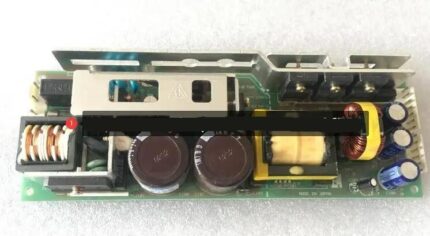 Tajima PB0025A1PW00 Power Supply 150W 24V for TEHX-C1501, TMEZ, TMA...$ 140.99View part →
 Tajima EF053202S000 Needle Bar Reciprocator Assembly for TMFX, TFMX...$ 18.09View part →
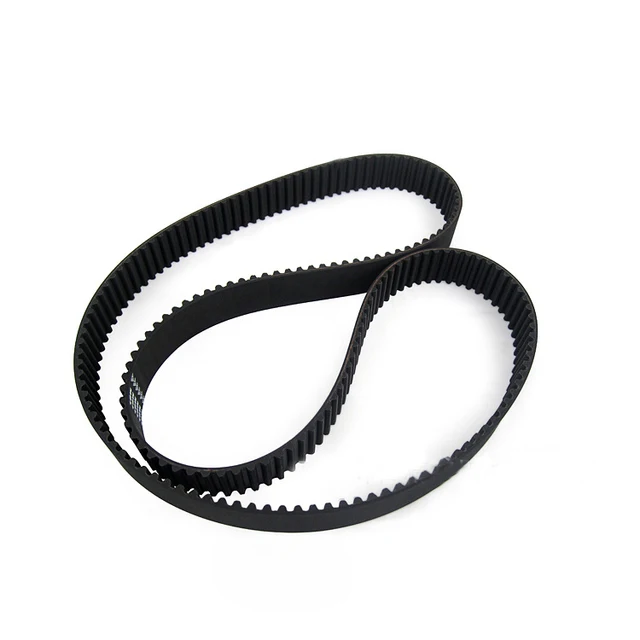 W20-S5M0950/G Timing Belt for Tajima TFMX TMAR TMEZ TMBR TEJT Series$ 72.99View part →
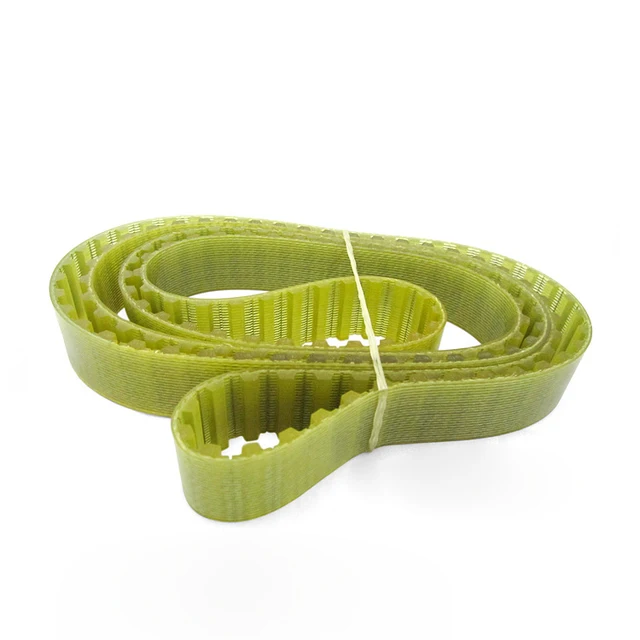 Tajima TU10 W25-170/E Timing Belt 626400260000 BPT102517000 for TMA...$ 567.29View part →
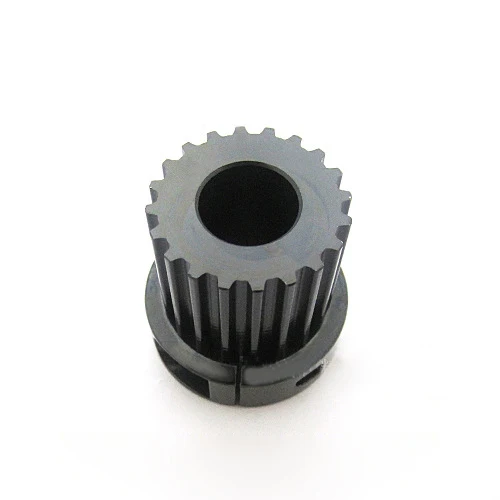 Tajima 501454040S13 W25-20 Timing Pulley for TFMX, TFMX-IIC, TFMX-C...$ 553.49View part →
 TAJIMA DU-10 XY Driver Board EH5404000000 MP-117-1-A for TME-HC, TM...$ 156.49View part →
All Tajima TMBR parts → Rotary Hooks & Bobbin Cases → Belts, Pulleys & Gears → Needles & Needle Bars →
3. Needle Bar Reciprocator Assembly medium likelihood
How to tell
Excessive noise or vibration from the needle bar area, inconsistent needle depth, poor stitch formation, or difficulty with needle changes. You might observe play or looseness in the needle bar movement.
Fix
- Carefully inspect the needle bar reciprocator assembly for signs of wear, such as loose bearings, worn cams, or bent components.
- Check for proper lubrication of moving parts within the assembly.
- If significant wear or damage is found, the assembly should be replaced.
- After replacement, ensure proper timing and needle depth adjustments are made according to the machine's service manual.
The Tajima EF053202S000 Needle Bar Reciprocator Assembly for TMFX, TFMX, TMBR, TMEZ, China Embroidery Machines is a common replacement part for this series.
Parts involved: Needles & needle bars → Head & mechanical parts →
4. Timing Pulleys medium likelihood
How to tell
Belt slippage, grinding noises, or visible wear on the pulley teeth. Worn pulleys can lead to inaccurate stitching and premature belt failure.
Fix
- Visually inspect all timing pulleys for worn, chipped, or missing teeth.
- Check for any buildup of lint or debris in the pulley grooves.
- If significant wear is observed, replace the pulley.
- Ensure the new pulley is correctly aligned and secured.
The Tajima 501454040S13 W25-20 Timing Pulley for TFMX, TFMX-IIC, TFMX-C, TMAR-K, TMAR-VC, TMBR-SC, TMEZ, TFW Series is a common pulley that may require replacement.
Parts involved: Belts, pulleys & gears →
5. Power Supply low likelihood
How to tell
Machine fails to power on, intermittent power issues, specific error codes related to power, or erratic behavior of electronic components. The power supply unit itself might show signs of overheating or emit unusual noises.
Fix
- Safely power off and unplug the machine.
- Check all power connections for looseness or corrosion.
- If comfortable and knowledgeable, use a multimeter to check output voltages (refer to the service manual for expected values and safety precautions).
- If the power supply is suspected to be faulty, replace it with a compatible unit.
- Ensure the new power supply is correctly installed and all connections are secure before powering on.
The Tajima PB0025A1PW00 Power Supply 150W 24V for TEHX-C1501, TMEZ, TMAR, TMBR-SC Embroidery Machines is a compatible replacement.
Parts involved: Circuit boards & electronics →
Maintenance schedule
| When | What to do | Why |
|---|---|---|
| Daily (or every 8-10 hours of operation) | Clean the rotary hook area, needle plate, and under the needle plate. | Removes lint and thread debris that can cause skipped stitches, thread breaks, and damage to the hook. |
| Daily (or every 8-10 hours of operation) | Oil the rotary hook and other specified lubrication points. | Reduces friction and wear, ensuring smooth operation and extending the life of moving parts. Refer to your manual for exact oiling points. |
| Weekly (or every 40-50 hours of operation) | Thoroughly clean the entire machine, including thread tension assemblies, take-up levers, and behind the head. | Prevents buildup of lint and dust that can affect thread path, tension, and electronic components. |
| Weekly (or every 40-50 hours of operation) | Inspect needles and replace any that are bent, dull, or burred. | Dull or damaged needles cause thread breaks, skipped stitches, and can damage fabric. |
| Monthly (or every 160-200 hours of operation) | Inspect timing belts for wear, cracks, or stretching. Check belt tension. | Ensures proper synchronization of machine movements, preventing misaligned embroidery and component damage. |
| Monthly (or every 160-200 hours of operation) | Inspect the needle bar reciprocator assembly for play or excessive wear. | Maintains consistent needle movement and stitch quality. |
| Quarterly (or every 500 hours of operation) | Inspect all timing pulleys for wear on teeth. | Worn pulleys can lead to belt slippage and inaccurate machine operation. |
| Annually (or every 2000 hours of operation) | Perform a comprehensive inspection of all mechanical and electrical components. Consider professional servicing. | Identifies potential issues before they become major problems and ensures long-term machine health. |
Stop and call a technician if
- If the machine displays persistent error codes that you cannot resolve with basic troubleshooting.
- If you suspect an electrical issue or power supply failure and are not comfortable working with electronics.
- For complex mechanical repairs or timing adjustments that require specialized tools or expertise.
- If you've replaced common wear parts and are still experiencing significant performance issues.
Prevent it coming back
- Always use high-quality needles, threads, and backings to reduce stress on machine components.
- Avoid running the machine at excessively high speeds for extended periods, especially with dense designs.
- Ensure proper thread tension settings to prevent unnecessary strain on the thread path and hook assembly.
- Keep your embroidery environment clean and dust-free to prevent lint buildup in critical areas.
- Follow manufacturer guidelines for machine lubrication and use only recommended oils.
Frequently asked questions
How often should I clean my Tajima TMBR machine?
Daily cleaning of the rotary hook area, needle plate, and thread path is recommended to remove lint and debris. More thorough cleaning, including under the needle plate and around tension assemblies, should be done weekly.
What kind of oil should I use for my Tajima TMBR?
Always refer to your Tajima TMBR operator's manual for the specific type of machine oil recommended. Generally, a light-grade, non-staining sewing machine oil is used. Avoid using general-purpose oils that can gum up or stain fabric.
Why am I getting frequent thread breaks on my TMBR?
Frequent thread breaks can be caused by several factors, including worn rotary hooks or bobbin cases, incorrect thread tension, burrs on the needle plate or thread path, a bent or dull needle, or lint buildup. Start by cleaning the machine thoroughly, checking the needle, and inspecting the hook and bobbin case for damage.
When should I replace the timing belts on my Tajima TMBR?
Timing belts should be inspected regularly for signs of wear like cracking, fraying, or stretching. Replace them if you notice these symptoms, or if you experience issues like skipped stitches or misaligned embroidery that can't be resolved by other means. A general guideline is every 1-2 years, but this can vary greatly depending on usage.
Can I perform all maintenance myself?
Many routine maintenance tasks like cleaning, oiling, and replacing common wear parts can be performed by an operator. However, more complex repairs, electrical issues, or precise timing adjustments may require a qualified technician. Always refer to your machine's manual and know your limits.
Did this guide fix your machine?
Rate it - it helps other operators find the right fix.
Not sure which part is failing?
Need the logo stitched too?
Get your logo digitized by the people who know this machine
Upload the artwork, see the stitch count and the exact price in 10 seconds, then order with a free sew-out preview. $1 per 1,000 stitches, $10 minimum, 24-hour delivery. Vector conversion from $12.
After the fix
Fixed it? Keep the rest of the shop moving.
OS 360 is the shop software from the team behind this parts store. Every job keeps its status, deadline and owner while a TMBR head is down, restock alerts fire for needles, hooks and bobbins before you run dry, and quotes, invoices and payment live in one place.
- Jobs with status, deadline and owner - nothing slips during downtime
- Inventory with restock alerts, this store one click away
- Instant quotes, invoices and one place to collect payment