
Blog
Tajima TMCE Series: Essential Maintenance Schedule & Wear Parts Guide

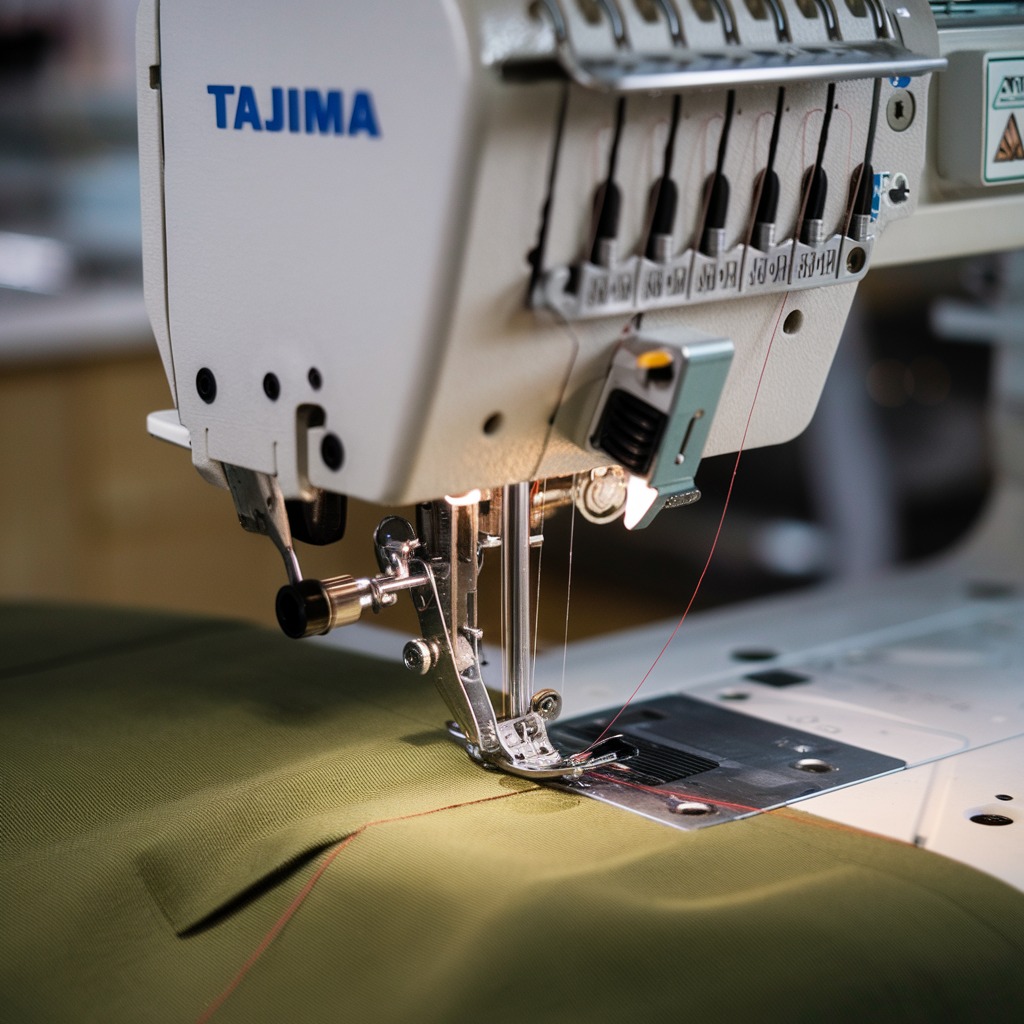
Quick answer: Regular maintenance, including daily cleaning and oiling, weekly inspections, and periodic replacement of wear parts like rotary hooks, thread blocks, and needles, is crucial for the longevity and optimal performance of your Tajima TMCE series embroidery machine. Always refer to your machine's manual for specific lubrication points and intervals.
Maintaining your Tajima TMCE series embroidery machine is essential for consistent stitch quality, minimizing downtime, and extending the lifespan of your investment. This guide provides a comprehensive maintenance schedule and highlights the most common wear parts you'll encounter, helping you keep your machine in top working order. Regular care prevents costly repairs and ensures your embroidery projects always look their best.
Two-minute checks before you open anything
- Check for any loose threads or lint in the hook area and under the needle plate.
- Verify that the bobbin is correctly wound and inserted, and bobbin tension is correct.
- Ensure all needles are straight, sharp, and correctly inserted.
- Check that thread paths are clear and free of tangles or obstructions.
- Listen for any unusual noises during operation.
- Confirm that the machine's main power switch is off before performing any manual checks or cleaning.
1. Needles high likelihood
How to tell
Skipped stitches, thread breaks, damaged fabric, dull or bent needle point, burrs on the needle eye. Needles should be changed proactively before they show obvious signs of wear.
Fix
- Turn off the machine power.
- Loosen the needle set screw for the affected needle bar.
- Carefully pull the old needle straight down and out.
- Insert a new Organ PH-C120 Crocheted Towel Embroidery Needle, ensuring the scarf is facing the correct direction (usually towards the back or left, consult your manual).
- Push the needle up until it bottoms out in the needle bar.
- Tighten the needle set screw securely.
- Perform a test stitch to confirm proper function.
Parts involved: Needles & needle bars →
2. Rotary Hook Bobbin Case Assembly high likelihood
How to tell
Frequent thread breaks (especially bobbin thread), poor stitch quality, looping on the underside of the fabric, unusual noise from the hook area, visible nicks or burrs on the hook point or bobbin case.
Fix
- Turn off the machine power.
- Remove the needle plate and bobbin case.
- Inspect the hook point for damage or wear. Check the bobbin case for burrs or rough spots, especially where the thread passes.
- If damage is found, replace the entire rotary hook and bobbin case assembly. For the bobbin, use Onloyo 050260010020 Rotary Hook Bobbin:Regular for Tajima TMLH TLMX TMCE TCMX Embroidery Machines.
- Clean the hook area thoroughly, removing any lint or thread debris.
- Install the new rotary hook and bobbin case assembly, ensuring it is correctly seated and timed if necessary (consult your machine manual for timing procedures).
- Apply a drop of hook oil to the rotary hook race.
- Replace the needle plate and perform a test stitch.
The bobbin case is part of the rotary hook assembly. Often, if one is worn, the other is too, or will soon be. It's good practice to replace the entire hook assembly if significant wear is present.
Parts involved: Rotary hooks & bobbin cases →
Parts you may need for Tajima TMCE
In stock, tested before dispatch, Buyer Protection on every order. Part types for this problem: Rotary hooks & bobbin cases, Needles & needle bars, Thread path & tension, Circuit boards & electronics.
 Tajima 9ZJ4040A0000 USB Linker External Reader for TMEG, TMEF, TMBE...$ 257.49View part →
 Tajima Tension Base Adjustment Board Card 0J2600900021 for TMCE Tow...$ 141.09View part →
 Organ PH-C120 Crocheted Towel Embroidery Needle for Tajima TMCE TCM...$ 69.29View part →
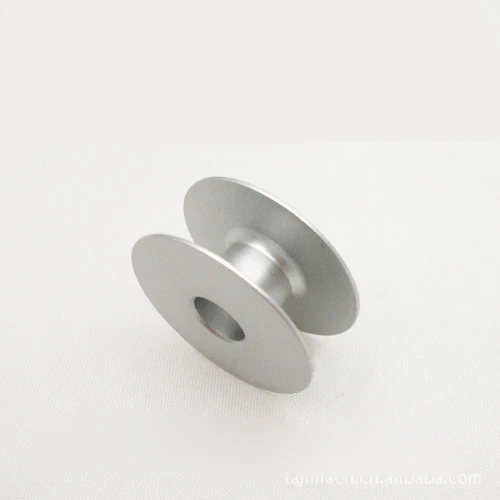 Onloyo 050260010020 Rotary Hook Bobbin:Regular for Tajima TMLH TLMX...$ 9.49View part →
 Tajima 0J2600900021 Tension Base Adjustment Board for TMCE, TMFX, T...$ 141.09View part →
 TAJIMA DU-10 XY Driver Board EH5404000000 MP-117-1-A for TME-HC, TM...$ 156.49View part →
All Tajima TMCE parts → Rotary Hooks & Bobbin Cases → Needles & Needle Bars → Thread Path & Tension →
3. Thread Block (Thread Guide) medium likelihood
How to tell
Increased thread breaks, fraying thread, visible grooves or sharp edges on the thread block where the thread passes, especially with metallic or abrasive threads.
Fix
- Turn off the machine power.
- Locate the thread block (Tajima 050320350000 Thread Block) in the thread path, typically near the tension assembly or take-up lever.
- Carefully inspect the surfaces where the thread makes contact for any nicks, burrs, or deep grooves.
- If damage is present, remove the old thread block (usually held by a screw or clip).
- Install a new Tajima 050320350000 Thread Block, ensuring it is oriented correctly.
- Secure the new thread block.
- Thread the machine and perform a test stitch.
Parts involved: Thread path & tension →
4. Tension Base Adjustment Board low likelihood
How to tell
Inconsistent thread tension across multiple heads or colors that cannot be resolved with mechanical adjustments, erratic tension disc movement, or error codes related to tension control. This is typically an electronic failure, not wear.
Fix
- Turn off the machine power and unplug it.
- Access the control box or head where the tension base adjustment board (Tajima 0J2600900021 Tension Base Adjustment Board) is located. This often requires removing covers.
- Carefully disconnect all wiring harnesses and connectors from the old board, noting their positions.
- Unscrew and remove the faulty board.
- Install the new Tajima 0J2600900021 Tension Base Adjustment Board, ensuring all connections are secure and correctly reattached.
- Replace covers and power on the machine.
- Perform a test stitch and recalibrate tension settings as per your machine manual if necessary.
While not a wear item, electronic components can fail. If you suspect this board, it's best to consult your machine manual or a qualified technician for diagnosis and replacement.
Parts involved: Circuit boards & electronics →
5. USB Linker External Reader low likelihood
How to tell
Machine fails to read design files from USB, intermittent connection issues, 'USB Error' messages, or the device not being recognized by the machine. This is typically a failure of the unit itself or its connection, not wear.
Fix
- Turn off the machine power.
- Disconnect the existing Tajima 9ZJ4040A0000 USB Linker External Reader from the machine's port.
- Inspect the connection cables and ports for any visible damage.
- Connect a new Tajima 9ZJ4040A0000 USB Linker External Reader to the machine.
- Power on the machine and attempt to load a design from a known good USB drive.
- If the issue persists, check the machine's internal USB port or main board for issues (may require a technician).
Ensure the USB drive itself is formatted correctly and not corrupted before suspecting the linker. Try multiple USB drives.
Parts involved: Floppy, USB & memory →
Maintenance schedule
| When | What to do | Why |
|---|---|---|
| Daily / Every 4-8 operating hours | Clean the rotary hook area and bobbin case. | Removes lint and thread debris that can cause thread breaks, poor stitch quality, and wear on the hook. |
| Daily / Every 4-8 operating hours | Apply 1-2 drops of oil to the rotary hook race. | Lubricates the hook mechanism, reducing friction and wear, and ensuring smooth operation. |
| Daily / Before each shift | Inspect needles for sharpness and straightness. | Dull or bent needles cause skipped stitches, thread breaks, and fabric damage. Replace as needed. |
| Weekly / Every 40-50 operating hours | Clean under the needle plate and around the feed dogs. | Prevents lint buildup that can affect fabric movement and stitch quality. |
| Weekly / Every 40-50 operating hours | Clean thread tension discs and thread path guides. | Removes lint and wax buildup that can cause inconsistent thread tension and breaks. |
| Monthly / Every 200-300 operating hours | Inspect the rotary hook for nicks or burrs. | Identifies wear that can lead to thread breaks and poor stitch quality. Replace if damaged. |
| Monthly / Every 200-300 operating hours | Check and clean the thread take-up levers. | Ensures smooth thread movement and proper tension control. |
| Monthly / Every 200-300 operating hours | Lubricate other specified points as per your machine manual. | Ensures all moving parts are properly lubricated, reducing wear and friction. |
| Quarterly / Every 500-750 operating hours | Inspect thread blocks and guides for grooves or wear. | Worn guides can fray thread and cause breaks. Replace Tajima 050320350000 Thread Block if damaged. |
| Annually / Every 1000-2000 operating hours | Professional service and inspection. | Comprehensive check of timing, electronics, and major mechanical components by a qualified technician. |
Stop and call a technician if
- If you encounter persistent error codes that cannot be resolved with basic troubleshooting.
- If you suspect a major electronic component failure (e.g., main board, motor driver).
- If the machine's timing is off and you are not comfortable performing timing adjustments yourself.
- For any complex mechanical issues that require specialized tools or expertise.
- For annual preventative maintenance checks and adjustments.
Prevent it coming back
- Use only high-quality threads and needles appropriate for your fabric and design.
- Ensure proper hooping to prevent fabric movement and needle deflection.
- Regularly clean the machine to remove lint, dust, and thread debris.
- Follow the recommended lubrication schedule using appropriate machine oil.
- Avoid forcing the machine or operating it with unusual noises or resistance.
- Perform regular visual inspections of critical components for signs of wear or damage.
- Keep your work area clean and free of dust and debris that can enter the machine.
Frequently asked questions
How often should I oil my Tajima TMCE machine?
Generally, the rotary hook should be oiled daily or every 4-8 hours of continuous operation. Other lubrication points have longer intervals. Always refer to your specific Tajima TMCE machine manual for detailed lubrication schedules and oil types.
What kind of oil should I use for my Tajima TMCE?
Use only high-quality, clear, non-staining sewing machine oil specifically designed for embroidery machines. Avoid multi-purpose oils or oils not intended for precision machinery, as they can gum up or stain fabric. Consult your machine manual for recommended oil specifications.
Why do my needles keep breaking on my TMCE?
Needle breaks can be caused by several factors: a bent or dull needle, incorrect needle size or type for the fabric/thread, improper hooping, incorrect needle depth, timing issues, burrs on the needle plate or rotary hook, or excessive thread tension. Check these areas systematically.
How do I know if my rotary hook needs replacing?
Signs of a worn rotary hook include frequent bobbin thread breaks, poor stitch quality, looping on the underside, and unusual noise from the hook area. Visually inspect the hook point for nicks, burrs, or excessive wear. If damaged, replace it promptly.
Can I use generic parts on my Tajima TMCE?
While some generic parts may fit, using genuine Tajima parts or high-quality aftermarket parts specifically designed for your machine series (like those from 360 Digitizing Shop) is recommended. Inferior parts can lead to poor performance, increased wear on other components, and potential machine damage.
Did this guide fix your machine?
Rate it - it helps other operators find the right fix.
Not sure which part is failing?
Need the logo stitched too?
Get your logo digitized by the people who know this machine
Upload the artwork, see the stitch count and the exact price in 10 seconds, then order with a free sew-out preview. $1 per 1,000 stitches, $10 minimum, 24-hour delivery. Vector conversion from $12.
After the fix
Fixed it? Keep the rest of the shop moving.
OS 360 is the shop software from the team behind this parts store. Every job keeps its status, deadline and owner while a TMCE head is down, restock alerts fire for needles, hooks and bobbins before you run dry, and quotes, invoices and payment live in one place.
- Jobs with status, deadline and owner - nothing slips during downtime
- Inventory with restock alerts, this store one click away
- Instant quotes, invoices and one place to collect payment