
Blog
Tajima TMFX Series: Essential Maintenance Schedule & Wear Parts Guide


Quick answer: Regular maintenance is crucial for the Tajima TMFX series to prevent downtime and ensure high-quality embroidery. Key areas include daily cleaning and lubrication, weekly inspection of rotary hooks and thread path, and periodic replacement of wear parts like needles, rotary hooks, timing belts, and needle bar components. Refer to your machine's manual for specific lubrication points and intervals.
The Tajima TMFX series is a workhorse in the embroidery industry, known for its reliability and performance. To ensure your TMFX machine continues to produce high-quality embroidery and minimize costly downtime, a consistent and thorough maintenance routine is essential. This guide provides a practical maintenance schedule and identifies common wear parts, helping you keep your machine in top condition. Remember to always consult your specific machine's operator manual for detailed instructions and specifications.
Two-minute checks before you open anything
- Check and clean the rotary hook area, removing all lint and thread snippets.
- Lubricate the rotary hook with a drop of oil.
- Inspect needles for dullness, bends, or burrs; replace if necessary.
- Check top and bobbin thread tension for consistency.
- Ensure all thread paths are clear and free of lint or tangles.
- Verify that the bobbin is wound correctly and inserted properly.
- Check for any loose screws or unusual noises during a test run.
1. Needles high likelihood
How to tell
Frequent thread breaks, skipped stitches, poor stitch quality, fabric damage, dull or bent needle points, burrs on the needle eye or shaft. Needles are consumables and wear out with use.
Fix
- Inspect needles before each job and after any thread break or fabric snag.
- Replace needles immediately if they show any signs of dullness, bending, burrs, or damage.
- Always use the correct needle type and size for your fabric and thread combination.
- Ensure needles are inserted correctly and fully seated in the needle bar.
Parts involved: Needles & needle bars →
2. Rotary Hook high likelihood
How to tell
Frequent thread breaks, especially bottom thread breaks, inconsistent stitch formation, looping, noise from the hook area, burrs or nicks on the hook point, excessive lint buildup in the hook race.
Fix
- Daily: Clean the rotary hook area thoroughly, removing all lint and thread bits.
- Weekly: Inspect the hook point for burrs or damage. Use a fine emery cloth or specialized hook file to gently remove minor burrs, or replace if severely damaged.
- Lubricate the hook race as per your machine's manual, typically with a drop of high-quality embroidery machine oil.
- If damage is significant or performance doesn't improve after cleaning and lubrication, replace the rotary hook.
- Ensure the bobbin case tension is correctly set after replacement.
KHS20-R Jumbo Rotary Hook for TAJIMA TME-DC, TMFX, TMB, TMAR, TMEZ & BROTHER BAS-415, BAS-416, BAS-423 Embroidery Machines
Parts involved: Rotary hooks & bobbin cases →
Parts you may need for Tajima TMFX
In stock, tested before dispatch, Buyer Protection on every order. Part types for this problem: Needles & needle bars, Rotary hooks & bobbin cases, Belts, pulleys & gears, Head & mechanical parts.
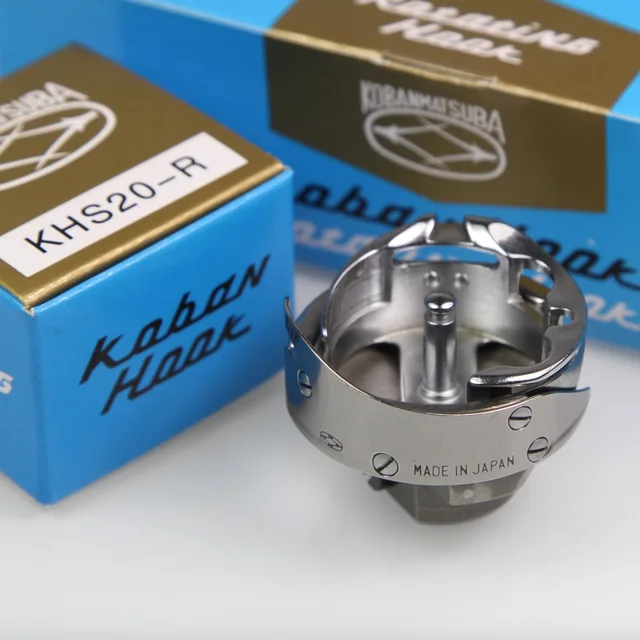 KHS20-R Jumbo Rotary Hook for TAJIMA TME-DC, TMFX, TMB, TMAR, TMEZ ...$ 21.29View part →
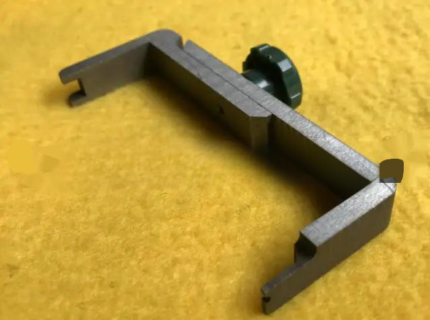 Tajima ZG0030400000 Needle Bar Connecting Stud Gauge for TMFX, TFMX...$ 39.09View part →
 USB Emulator Converter 34-Pin to 26-Pin for Tajima TMEX TMFX Embroi...$ 25.09View part →
 Tajima 9ZJ4040A0000 USB Linker External Reader for TMEG, TMEF, TMBE...$ 257.49View part →
 Take-Up Lever Drive Crank Rod Assembly for Tajima TMFX TFMX TFGN & ...$ 10.99View part →
 Tajima W20-16 Timing Belt Pulley CX0170000000 501440030000 S5M 20mm...$ 39.29View part →
All Tajima TMFX parts → Needles & Needle Bars → Rotary Hooks & Bobbin Cases → Belts, Pulleys & Gears →
3. Timing Belts (X/Y Axis, Main Shaft) medium likelihood
How to tell
Skipped stitches, design misalignment, inconsistent stitch length, machine making grinding or slipping noises, visible cracks, fraying, or stretching on the belt surface, loose belt tension.
Fix
- Visually inspect all timing belts (X-axis, Y-axis, main shaft) for cracks, fraying, missing teeth, or excessive wear.
- Check belt tension. Belts should be taut but not overly tight. Refer to your machine manual for specific tensioning procedures.
- If any belt shows significant wear or damage, replace it promptly to prevent further issues or complete failure.
- After replacement, ensure proper alignment and tension of the new belt.
MITSUBOSHI MBL S5M1680 Timing Belt for Tajima TMFX TMFD TMEZ TFMX TFMG Series, MBL S5M1145 Timing Belt 15mm for TMFX, TMEF, TFMX-II, TFMX-C, TFGN-II Series, Genuine Japanese MBL Timing Belt S5M930 S5M5446 30mm for Tajima TFGN TFMX TMFX X-Axis, MBL S5M1145 Timing Belt 20mm for Tajima TMFX TMEZ TFMX TFGN Embroidery Machines, MBL S5M850 Timing Belt 35mm for TMFX TFMX TFGN Embroidery Machines, MBL S5M1165 Timing Belt 20mm for Tajima TFMX TMFX TFGN TMBP Embroidery Machines
Parts involved: Belts, pulleys & gears →
4. Take-Up Lever Drive Crank Rod Assembly medium likelihood
How to tell
Inconsistent thread tension, looping, thread breaks, unusual noise from the take-up lever area, visible wear or looseness in the crank rod joints, jerky movement of the take-up lever.
Fix
- Inspect the take-up lever drive crank rod assembly for any signs of wear, looseness, or damage at its pivot points.
- Check for excessive play in the joints. If there is significant play, it can affect thread tension and stitch quality.
- Lubricate pivot points as recommended in your machine's manual.
- If wear is significant or adjustment doesn't resolve issues, replace the entire assembly.
Take-Up Lever Drive Crank Rod Assembly for Tajima TMFX TFMX TFGN & Chinese ZSK Barudan Brother PR Happy Embroidery Machines
Parts involved: Head & mechanical parts →
5. Needle Bar Reciprocator Assembly medium likelihood
How to tell
Needle breaks, inconsistent needle depth, noise from the needle bar area, visible wear or looseness in the reciprocator mechanism, difficulty with color changes, incorrect needle bar timing.
Fix
- Inspect the needle bar reciprocator assembly for wear, especially in the sliding surfaces or pivot points.
- Check for any looseness or excessive play in the mechanism that controls the up-and-down movement of the needle bars.
- Lubricate according to your machine's manual.
- If wear is evident and causing performance issues, consider replacing the assembly.
- Ensure proper needle bar height and timing are set after replacement.
Tajima Needle Bar Reciprocator Catcher Set for TFMX, TMFX, Feiya, Butterfly, ZSK Clone Embroidery Machines, Tajima EF053202S000 Needle Bar Reciprocator Assembly for TMFX, TFMX, TMBR, TMEZ, China Embroidery Machines, Tajima Needle Bar Drive Reciprocator Assembly for TFMX, TMFX, TMAR, TFGN, TEHX Series Embroidery Machines, Tajima 080210370A11 U89400000000 KN[A] Needle Bar Reciprocator Assembly for TMFX TFMX TFGN TMEZ TMBP Series Machines
Parts involved: Needles & needle bars → Head & mechanical parts →
6. Thread Block (Tensioner) low likelihood
How to tell
Inconsistent thread tension, looping, thread breaks, visible grooves or damage on the tension discs, difficulty adjusting tension, thread snagging.
Fix
- Inspect the thread block and tension discs for any grooves, nicks, or damage caused by thread friction.
- Clean lint and debris from between the tension discs.
- Ensure the tension spring is functioning correctly and providing consistent pressure.
- If discs are grooved or damaged, replace the thread block assembly to restore proper tension control.
Tajima 050320350000 Thread Block (FX0229000000, FN0203000000) for TMEG TMFD TMFX STNE TFKN STKN TFGN TMCE TCMX TMLH TLMX
Parts involved: Thread path & tension →
7. Jump Solenoid low likelihood
How to tell
Inconsistent or failed jump stitches, thread breaks during jumps, machine stopping with a jump error, solenoid not engaging or disengaging properly, audible clicking but no movement.
Fix
- Check the electrical connections to the jump solenoid.
- Inspect the solenoid plunger for free movement and ensure it's not obstructed by lint or debris.
- Test the solenoid's function. If it fails to activate consistently or at all, it may need replacement.
- Ensure proper timing and adjustment of the jump mechanism after replacement.
Tajima JP1-A-36 Jump Solenoid for TFMX, TMFX, TFGN, TMEZ Embroidery Machines
Parts involved: Solenoids & magnets →
8. USB Emulator / Floppy Drive low likelihood
How to tell
Difficulty loading designs, 'disk read error' messages, slow design loading, machine not recognizing USB or floppy disks, intermittent data transfer issues.
Fix
- Ensure the USB drive or floppy disk is correctly formatted and free of errors.
- Try a different USB drive or floppy disk to rule out media issues.
- Check the connections to the emulator/drive unit.
- If the unit consistently fails to read or write data, replace the USB emulator or floppy drive.
USB Emulator Converter 34-Pin to 26-Pin for Tajima TMEX TMFX Embroidery Machines, Richpeace RP-SFDR-IV U-A720 USB Emulator Reader for Tajima TMFX TMEX TFHX & NEC FD1138C, Gotek SFR1M44-FU USB Floppy Emulator for Tajima TMFX TFMX TFMX-C TEHX Series, Gotek SFRM72-FU USB Floppy Emulator for Tajima TMFX, TMFD, TME, TMEF, TME-DC, Neo, TEJT-C Series, Gotek SFRM72-FU USB Floppy Emulator for Tajima TMFX TMEF TFMX TCMX, Barudan BEAT BED BEKY, Happy HCS HCD HCR
Parts involved: Floppy, USB & memory →
Maintenance schedule
| When | What to do | Why |
|---|---|---|
| Daily (or every 8-10 hours of operation) | Clean the rotary hook area and bobbin case. | Prevents lint buildup, which can cause thread breaks, poor stitch quality, and damage to the hook. |
| Daily (or every 8-10 hours of operation) | Lubricate the rotary hook. | Reduces friction and wear, ensuring smooth operation and extending the life of the hook. |
| Daily (or before each shift) | Inspect and replace needles as needed. | Dull or bent needles cause thread breaks, skipped stitches, and fabric damage. |
| Weekly | Clean the entire thread path (tension discs, thread guides, take-up lever). | Removes lint and debris that can interfere with consistent thread tension and cause breaks. |
| Weekly | Inspect the rotary hook point for burrs or nicks. | Damaged hook points snag thread, leading to breaks and poor stitch quality. |
| Weekly | Check and clean the under-needle plate area. | Prevents lint and small thread pieces from accumulating and interfering with needle movement. |
| Monthly | Lubricate all specified points on the machine head and main shaft, as per the manual. | Ensures smooth operation of moving parts, reduces wear, and prevents seizing. |
| Monthly | Inspect timing belts (X-axis, Y-axis, main shaft) for wear and tension. | Prevents design misalignment, skipped stitches, and costly belt failures. |
| Monthly | Clean and inspect the trimmer mechanism (knives, moving parts). | Ensures clean thread cuts and prevents thread jams or uncut threads. |
| Every 3-6 Months (or 500-1000 operating hours) | Inspect the take-up lever drive crank rod assembly for wear. | Worn components can lead to inconsistent thread tension and stitch quality. |
| Every 6-12 Months (or 1000-2000 operating hours) | Inspect the needle bar reciprocator assembly for wear and looseness. | Ensures correct needle bar movement and prevents needle breaks or timing issues. |
| Annually | Thorough cleaning of the entire machine, including internal components (if comfortable). | Removes deep-seated lint and debris, preventing long-term issues and extending machine life. |
| Annually | Check all electrical connections for tightness and signs of wear. | Prevents intermittent electrical issues and ensures safety. |
Stop and call a technician if
- If you encounter persistent electrical errors or control panel malfunctions.
- If the machine exhibits unusual grinding noises from internal mechanisms that you cannot identify or resolve.
- For complex mechanical repairs involving major component disassembly beyond basic maintenance.
- If you are unsure about proper timing adjustments after replacing critical parts like the rotary hook or needle bar assembly.
- For issues requiring specialized diagnostic tools or expertise that you do not possess.
Prevent it coming back
- Always use high-quality needles, threads, and backings appropriate for your fabric and design.
- Ensure proper hooping tension to prevent fabric movement and reduce stress on needles and machine parts.
- Maintain a clean working environment to minimize dust and lint accumulation in the machine.
- Avoid running the machine at excessively high speeds for extended periods, especially with dense designs.
- Perform regular software and firmware updates as recommended by Tajima (if applicable to your model).
- Train operators on proper machine operation and basic troubleshooting to prevent user-induced damage.
Frequently asked questions
How often should I lubricate my Tajima TMFX machine?
Lubrication intervals vary depending on usage and specific machine points. Generally, the rotary hook should be oiled daily or every few hours of operation. Other points, like needle bar drive and main shaft bearings, may require weekly or monthly lubrication. Always consult your Tajima TMFX operator's manual for precise lubrication points, types of oil, and frequency.
What are the most common causes of thread breaks on a Tajima TMFX?
Frequent thread breaks on a Tajima TMFX are often caused by worn or damaged needles, burrs on the rotary hook, incorrect thread tension (top or bobbin), lint buildup in the thread path, a damaged take-up lever, or improper hooping. Regular cleaning, inspection, and timely replacement of wear parts can significantly reduce thread breaks.
Can I use generic replacement parts for my Tajima TMFX?
While some generic parts may fit, using high-quality, machine-specific replacement parts is highly recommended for optimal performance and longevity of your Tajima TMFX. Parts like rotary hooks, timing belts, and critical mechanical assemblies are precision-engineered, and using substandard parts can lead to poor stitch quality, increased wear on other components, and costly downtime.
How do I know if my timing belts need to be replaced?
Inspect your timing belts for visible signs of wear such as cracks, fraying, missing teeth, or excessive stretching. Symptoms like design misalignment, inconsistent stitch length, or grinding/slipping noises can also indicate worn belts. If you notice any of these, it's time to consider replacement to maintain stitch accuracy and prevent further damage.
Did this guide fix your machine?
Rate it - it helps other operators find the right fix.
Not sure which part is failing?
Need the logo stitched too?
Get your logo digitized by the people who know this machine
Upload the artwork, see the stitch count and the exact price in 10 seconds, then order with a free sew-out preview. $1 per 1,000 stitches, $10 minimum, 24-hour delivery. Vector conversion from $12.
After the fix
Fixed it? Keep the rest of the shop moving.
OS 360 is the shop software from the team behind this parts store. Every job keeps its status, deadline and owner while a TMFX head is down, restock alerts fire for needles, hooks and bobbins before you run dry, and quotes, invoices and payment live in one place.
- Jobs with status, deadline and owner - nothing slips during downtime
- Inventory with restock alerts, this store one click away
- Instant quotes, invoices and one place to collect payment