
Blog
Tajima TFGN Series: Common Problems & Fixes Guide

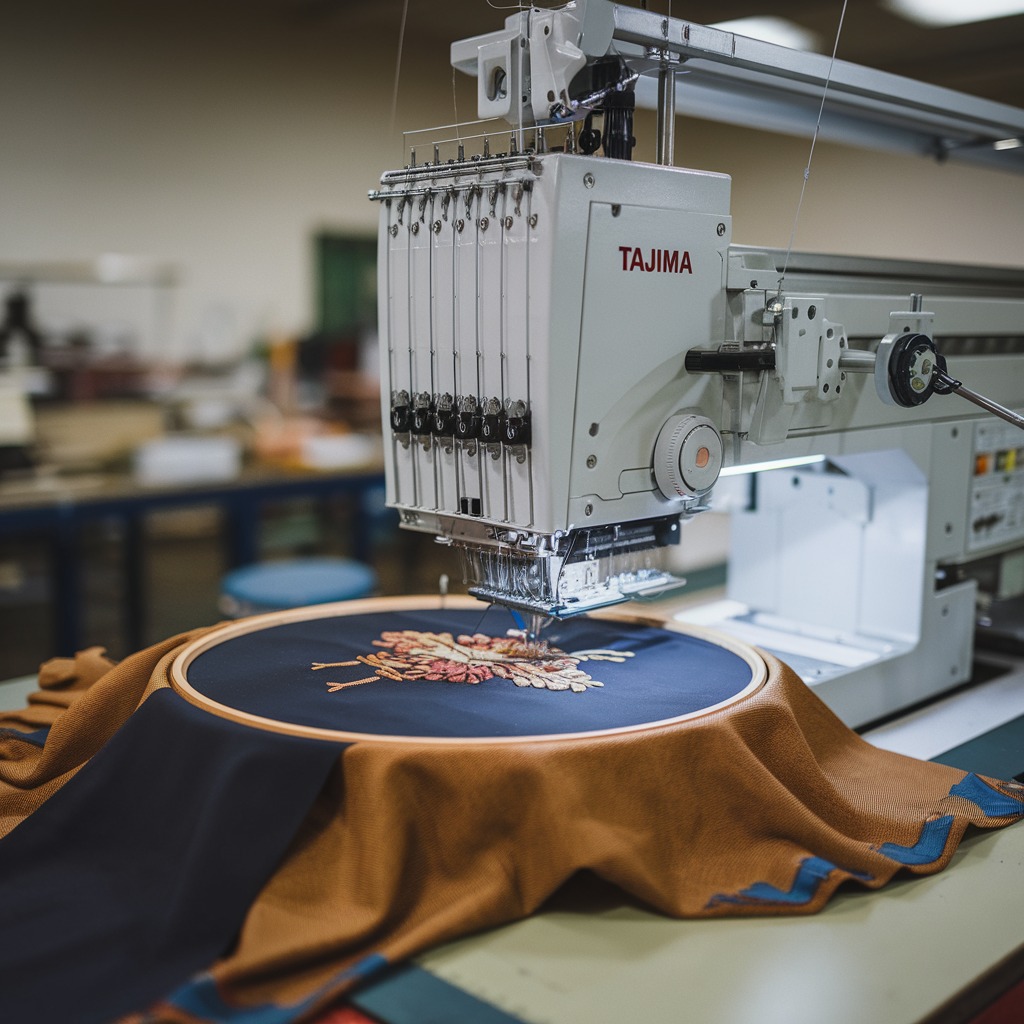
Quick answer: Most common Tajima TFGN problems like thread breaks or skipped stitches are often due to incorrect tension, worn needles, or issues with the thread path. Start by rethreading, changing the needle, and checking tension settings.
The Tajima TFGN series embroidery machines are workhorses in the industry, known for their reliability. However, like all complex machinery, they can encounter issues. This guide is designed to help operators and technicians quickly diagnose and resolve the most common problems, minimizing downtime and ensuring your machine runs smoothly. We'll cover how to identify the fault, provide concrete steps to fix it, and highlight the replacement parts that are often involved.
Two-minute checks before you open anything
- Is the machine properly threaded, including the bobbin?
- Is the needle new, sharp, and inserted correctly?
- Are the tension settings appropriate for your thread and fabric?
- Is the fabric hooped tightly and correctly?
- Are there any visible obstructions or thread jams?
- Is the machine lubricated according to the maintenance schedule?
1. Frequent Thread Breaks high likelihood
How to tell
The machine stops frequently, displaying a thread break error or leaving loose thread. Embroidery appears incomplete or messy.
Fix
- Check the thread path for any snags, burrs, or obstructions from the cone to the needle.
- Ensure the thread is correctly seated in all tension discs and thread guides.
- Replace the needle with a new, correct size and type for your material and thread.
- Inspect the rotary hook for burrs or damage. If present, polish gently or replace.
- Verify thread tension settings are appropriate for the thread and fabric. Adjust top and bobbin tension as needed.
- Clean the thread break sensor. Dust or lint can cause false readings.
Tajima TC Sensor Card & Thread Contact Set 0J2602300A22 0J2602300A23 FG7204010000 0J2602100010, Tajima ICS131 0J2603200000 Thread Break Sensor & Bracket, Tajima 0C0220080000 EF0910000000 Spring Hook
Parts involved: Needles & needle bars → Thread path & tension → Rotary hooks & bobbin cases → Sensors & switches → Screws, springs & small parts →
2. Skipped Stitches or Poor Stitch Quality high likelihood
How to tell
Embroidery has gaps, loose loops, uneven stitches, or appears thin. The machine may sound unusual during stitching.
Fix
- Replace the needle with a new, sharp needle appropriate for the fabric and thread.
- Check the needle bar height and depth. Use a needle bar gauge for accurate adjustment.
- Verify that the presser foot is set correctly and not too high or low.
- Inspect the rotary hook timing. Incorrect timing can lead to skipped stitches.
- Clean and lubricate the rotary hook area.
- Check for any play in the needle bar or presser foot mechanisms.
Tajima ZG0030400000 Needle Bar Connecting Stud Gauge, Tajima Embroidery Machine Gauge for TFMX, TMAR, TFGN, TMEZ Series Machines, Tajima EF0613220000 EF0613210000 090460040020 090460040031 Presser Foot Bushing Guide Collar, Tajima Needle Bar Guide 090450036011, 090450049011, 09045005Y011, Tajima 080210360A79 UN25009400GN Needle Bar Reciprocator Set, Tajima Needle Bar Drive Reciprocator Assembly, Tajima Needle Bar Drive Assembly Iron Cam 45/47 Head 080220010A02 U8A300000010
Parts involved: Needles & needle bars → Presser feet & sewing parts → Rotary hooks & bobbin cases → Head & mechanical parts → Shafts, bearings & bushings →
Parts you may need for Tajima TFGN
In stock, tested before dispatch, Buyer Protection on every order. Part types for this problem: Needles & needle bars, Thread path & tension, Rotary hooks & bobbin cases, Sensors & switches.
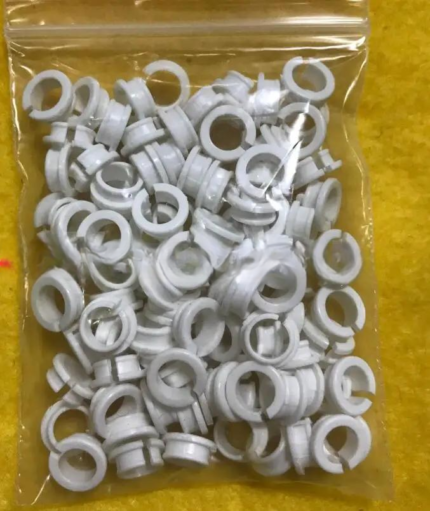 Tajima EF0613220000 EF0613210000 090460040020 090460040031 Presser ...$ 18.09View part →
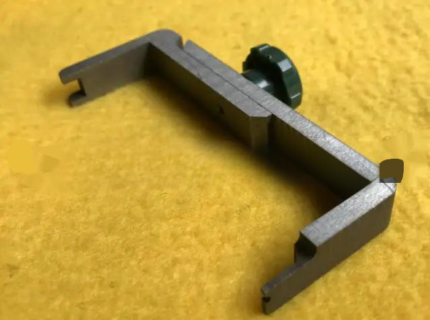 Tajima ZG0030400000 Needle Bar Connecting Stud Gauge for TMFX, TFMX...$ 39.09View part →
 EF6600000000 JHX-G8L1000 1000P/R Rotary Encoder for Chinese Tajima ...$ 92.49View part →
 Genuine Japanese MBL S5M1270 Timing Belt 20mm for Tajima TFMX, TMAR...$ 68.99View part →
 Tajima 080210360A79 UN25009400GN Needle Bar Reciprocator Set for KN...$ 23.99View part →
 Take-Up Lever Drive Crank Rod Assembly for Tajima TMFX TFMX TFGN & ...$ 10.99View part →
All Tajima TFGN parts → Needles & Needle Bars → Thread Path & Tension → Rotary Hooks & Bobbin Cases →
3. Needle Breakage medium likelihood
How to tell
Needles break frequently during operation. This can be accompanied by a loud 'snap' sound.
Fix
- Ensure the correct needle type and size are being used for the fabric and thread.
- Check for bent or dull needles and replace immediately.
- Verify the needle bar depth and height are set correctly using a gauge.
- Inspect the presser foot for proper alignment and height. It should not be hitting the needle.
- Check the rotary hook for burrs or damage that could be deflecting the needle.
- Ensure the hoop is tight and the fabric is properly hooped, preventing movement that could cause needle deflection.
- Examine the needle plate and bobbin case for damage or burrs.
Tajima ZG0030400000 Needle Bar Connecting Stud Gauge, Tajima Embroidery Machine Gauge for TFMX, TMAR, TFGN, TMEZ Series Machines, Tajima EF0613220000 EF0613210000 090460040020 090460040031 Presser Foot Bushing Guide Collar, Tajima Needle Bar Guide 090450036011, 090450049011, 09045005Y011
Parts involved: Needles & needle bars → Presser feet & sewing parts → Rotary hooks & bobbin cases → Hoops & frames → Head & mechanical parts →
4. Machine Stops or Freezes Unexpectedly medium likelihood
How to tell
The machine halts mid-design, often with an error code on the display, or becomes unresponsive.
Fix
- Note any error codes displayed and consult your machine's manual for specific troubleshooting steps.
- Check for thread breaks or jams that could trigger a safety stop.
- Inspect all cables and connections, especially signal harnesses, for looseness or damage.
- Power cycle the machine (turn off, wait 30 seconds, turn on).
- If using a floppy emulator, ensure the USB drive is properly formatted and the design file is valid.
- Check for overheating. Ensure ventilation is clear and the machine is not in direct sunlight.
SFRM72-FU USB Floppy Emulator for Tajima, Barudan, Happy, ZSK, Brother, Melco, Feiya, Ricoma Embroidery, EILASUNG FDD-UDD U144K USB Floppy Drive Emulator, Tajima Main Signal Harness 47 Arm STSS for TMAR-K, TFMX, TFGN, TFMX-C Series Embroidery Machines, Unbranded USB Linker External USB Reader for Tajima TFGN TFKN Embroidery Machines, Tajima KP-19360 9 PIN USB Reader for TFHX, TFGN Series (Windows CE LCD) Embroidery Machines
Parts involved: Cables & wiring → Floppy, USB & memory → Circuit boards & electronics → Motors & drivers → Sensors & switches →
5. Noisy Operation or Vibration low likelihood
How to tell
The machine produces unusual grinding, squeaking, or knocking sounds, or vibrates excessively during operation.
Fix
- Lubricate all moving parts according to your machine's maintenance schedule and manual.
- Check for loose screws or components, especially around the needle bars and head assembly.
- Inspect timing belts for wear, cracks, or improper tension. Adjust or replace as needed.
- Examine bearings and bushings for wear or damage. Worn bearings can cause significant noise.
- Ensure the machine is on a stable, level surface.
Genuine Japanese MBL S5M1270 Timing Belt 20mm, Tajima MBL S5M1145 Timing Belt 15mm, MBL S5M1165 Timing Belt 25mm, Tajima W35-S5M Synchronous Belt, Tajima TU10 W25-170/E Timing Belt 626400260000 BPT102517000, Genuine Japanese MBL Timing Belt S5M930 S5M5446 30mm, Replacement 634400070001 Needle Bearing, Onloyo 509179010000 EF0206000001 Oil-Bushing Bobbin Shaft Sleeve, Tajima 47 Machine Head 3.5cm Spindle Pulley Belt Wheel Auxilwheel 15 Axle, Auxilwheel 18 Axle, MainWheel20T 18Shaft
Parts involved: Lubrication & maintenance → Belts, pulleys & gears → Shafts, bearings & bushings → Head & mechanical parts → Screws, springs & small parts →
Maintenance schedule
| When | What to do | Why |
|---|---|---|
| Daily | Clean the rotary hook area and needle plate. Lubricate the rotary hook. | Prevents lint buildup, ensures smooth operation, and reduces wear. |
| Weekly | Clean the entire thread path, including tension discs and thread guides. Check for burrs. Lubricate needle bars and other moving parts. | Maintains optimal thread flow, prevents thread breaks, and extends component life. |
| Monthly | Inspect timing belts for wear and tension. Check for loose screws. Clean and lubricate the main shaft and other major mechanical components. | Ensures precise timing, prevents unexpected breakdowns, and reduces noise. |
| Annually | Perform a thorough inspection of all major components, including motors, sensors, and circuit boards. Consider professional servicing. | Identifies potential issues before they become critical and maintains machine performance and longevity. |
Stop and call a technician if
- If you encounter persistent error codes that are not resolved by basic troubleshooting or manual instructions.
- If you suspect a major mechanical failure, such as a broken shaft, motor, or circuit board.
- If you are uncomfortable performing complex adjustments like timing or needle bar height.
- If the machine is smoking, sparking, or emitting burning smells.
- If you've followed all troubleshooting steps and the problem persists.
Prevent it coming back
- Perform daily, weekly, and monthly cleaning and lubrication as per your machine's manual.
- Use high-quality needles and replace them regularly.
- Ensure proper thread tension for both top and bobbin threads.
- Always use the correct hoop size and tension for your fabric.
- Keep your work area clean and free of lint and debris.
- Inspect thread paths and rotary hooks regularly for burrs or damage.
- Power down the machine correctly at the end of each shift.
Frequently asked questions
How often should I replace my needles?
Needles should be replaced regularly, typically every 4-8 hours of continuous embroidery, or immediately if they become bent, dull, or if you notice any stitch quality issues. Always use a fresh needle when starting a new project or changing thread types.
What is the correct tension for my Tajima TFGN?
Optimal tension varies based on thread type, fabric, and design. A good starting point is to have the bobbin tension slightly looser than the top thread tension. The 'I' test (embroidering a capital 'I') should show about 1/3 bobbin thread on the underside of the fabric. Always refer to your machine's manual for specific tension adjustment guidelines.
My machine is making a strange noise, what should I do?
First, stop the machine immediately. Check for any visible obstructions, loose parts, or thread jams. Lubricate all moving parts as per your maintenance schedule. If the noise persists, it could indicate a worn bearing, belt, or other mechanical issue. Consult a technician if you cannot identify the source.
How do I update my Tajima TFGN machine?
Software updates for Tajima TFGN series machines typically require specific firmware files and a precise update procedure, often involving a USB floppy emulator or a direct connection. It's crucial to follow the manufacturer's instructions carefully or consult a qualified technician to avoid damaging the machine's control system. We stock USB floppy emulators like the SFRM72-FU and EILASUNG FDD-UDD U144K.
Did this guide fix your machine?
Rate it - it helps other operators find the right fix.
Not sure which part is failing?
Need the logo stitched too?
Get your logo digitized by the people who know this machine
Upload the artwork, see the stitch count and the exact price in 10 seconds, then order with a free sew-out preview. $1 per 1,000 stitches, $10 minimum, 24-hour delivery. Vector conversion from $12.
After the fix
Fixed it? Keep the rest of the shop moving.
OS 360 is the shop software from the team behind this parts store. Every job keeps its status, deadline and owner while a TFGN head is down, restock alerts fire for needles, hooks and bobbins before you run dry, and quotes, invoices and payment live in one place.
- Jobs with status, deadline and owner - nothing slips during downtime
- Inventory with restock alerts, this store one click away
- Instant quotes, invoices and one place to collect payment