
Blog
Pfaff 333 Series: Troubleshooting Common Issues


Quick answer: The most common issues with the Pfaff 333 series include thread breakage, skipped stitches, and bird's nesting, often caused by incorrect threading, worn needles, or tension problems. Regular cleaning, proper threading, and timely part replacement are key to resolving these issues.
The Pfaff 333 series is a robust and reliable industrial sewing machine, but like any precision equipment, it can encounter issues. This guide provides practical troubleshooting steps for the most common problems reported by operators, helping you diagnose and fix issues quickly to minimize downtime. We'll cover everything from simple re-threading to identifying when a replacement part might be needed, focusing on solutions you can implement at the machine.
Two-minute checks before you open anything
- Is the machine plugged in and powered on?
- Is the needle inserted correctly and not bent or dull?
- Is the machine threaded correctly, both upper and lower?
- Is the bobbin wound correctly and inserted properly?
- Are there any visible thread jams or lint buildup in the bobbin area or thread path?
- Is the presser foot down?
- Is the bobbin winder disengaged?
1. Thread Breakage (Upper or Lower) high likelihood
How to tell
The upper or lower thread snaps frequently during sewing, causing the machine to stop or produce incomplete stitches. You may hear a distinct 'pop' sound.
Fix
- Re-thread the machine completely, ensuring the thread is correctly seated in all guides and tension discs.
- Replace the needle with a new, correct size and type for your fabric and thread. Ensure it's inserted correctly and fully seated.
- Check the upper thread tension. It should be firm but not too tight. Adjust incrementally.
- Inspect the thread path for burrs, rough spots, or lint accumulation, especially around the needle eye, tension discs, and take-up lever. Clean thoroughly.
- For lower thread breakage, check the bobbin case for damage, burrs, or lint. Ensure the bobbin is wound evenly and inserted correctly. Check bobbin tension.
- Verify the thread quality and ensure it's not old, brittle, or tangled on the spool.
A worn or damaged rotary hook (e.g., DESHENG DSH-PF335 Rotary Hook, WANPING TW3-P335, Fu chao KR335-V SC335-V 91-060581-91 Rotary Hook) can cause thread fraying and breakage. Inspect the bobbin case (e.g., Large Hook & Bobbin Case for PFAFF 335G 333 333G 337 337G) for nicks.
Parts involved: Needles & needle bars → Thread path & tension → Rotary hooks & bobbin cases →
2. Skipped Stitches high likelihood
How to tell
The machine fails to form a stitch, leaving gaps in the seam or embroidery. Stitches may appear uneven or loose.
Fix
- Replace the needle. A bent, dull, or incorrect needle is a primary cause. Ensure it's inserted with the scarf facing the hook.
- Re-thread the machine, paying close attention to the upper tension and thread guides.
- Check the bobbin and bobbin case for correct insertion and tension. Ensure the bobbin is not empty or tangled.
- Verify that the presser foot is appropriate for the fabric and is applying adequate pressure. Adjust presser foot pressure if possible.
- Clean the area around the needle plate and feed dogs. Lint buildup can interfere with fabric movement.
- Inspect the rotary hook for damage or lint. Hook timing may need adjustment if other steps fail (consult your machine manual for timing specifications).
A new needle is often the simplest fix. If timing is off, the rotary hook (e.g., DESHENG DSH-PF335 Rotary Hook, PFAFF 91-060581-91 Rotary Hook Set) might need adjustment or replacement.
Parts involved: Needles & needle bars → Thread path & tension → Rotary hooks & bobbin cases → Presser feet & sewing parts →
Parts you may need for Pfaff
In stock, tested before dispatch, Buyer Protection on every order. Part types for this problem: Rotary hooks & bobbin cases, Needles & needle bars, Thread path & tension, Presser feet & sewing parts.
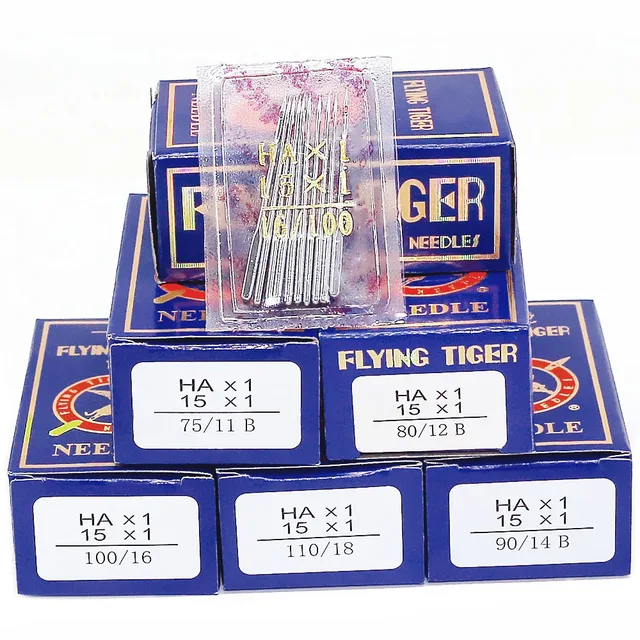 Flying Tiger HAX1 15x1 Sewing Machine Needles 100-Pack for Brother ...$ 13.99View part →
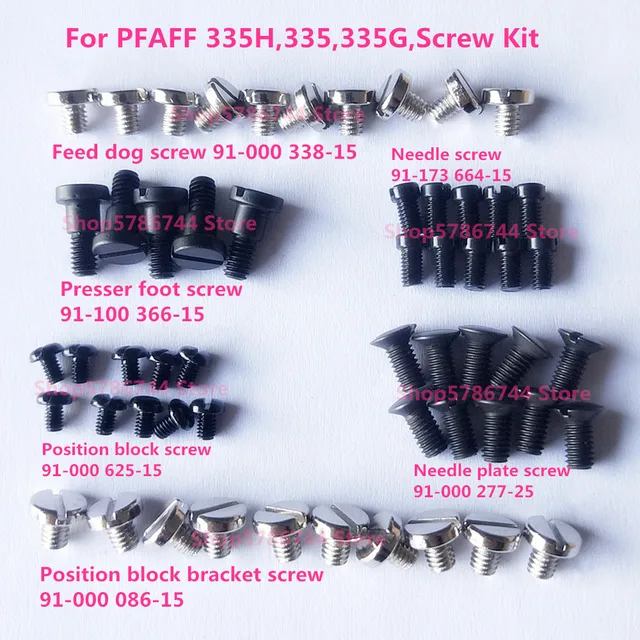 PFAFF 335H, 335, 335G Needle Plate, Feed Dog, Needle, Presser Foot,...$ 27.09View part →
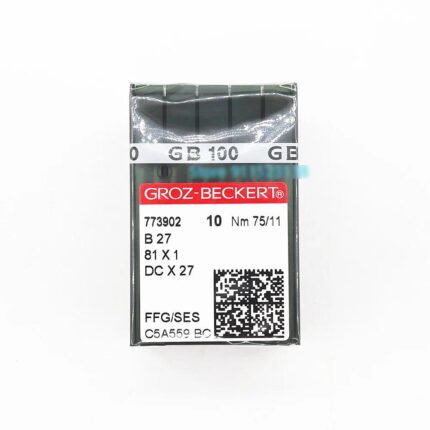 Groz-Beckert B27 DCX27 81X1 FFG/SES Industrial Sewing Needles Nm 75...$ 37.49View part →
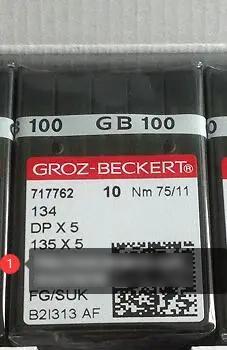 Groz-Beckert 134 DPX5 135X5 Industrial Sewing Needles 100-Pack for ...$ 39.29View part →
 KRT470-R Rotary Hook for PFAFF 471-493, GOLDEN WHEEL 9910, 9920, 88...$ 33.99View part →
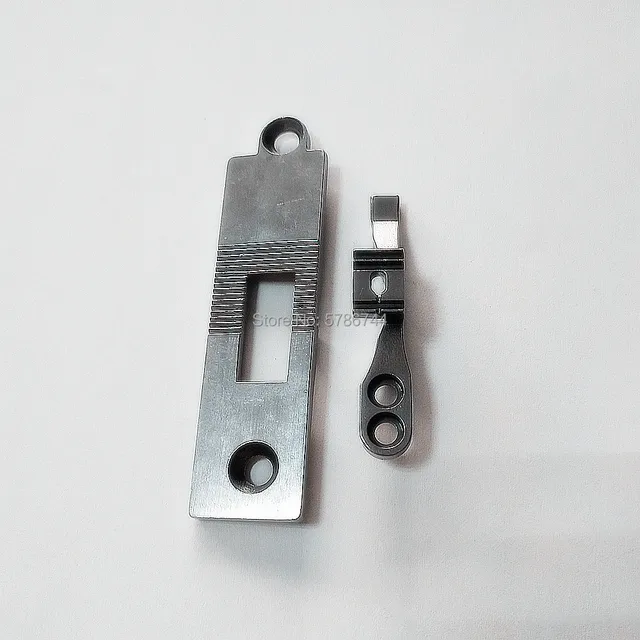 PFAFF 91-026746-04C Needle Plate & 91-026745-04C Feed Dog Set for 1...$ 36.09View part →
All Pfaff parts → Rotary Hooks & Bobbin Cases → Needles & Needle Bars → Thread Path & Tension →
3. Bird's Nesting (Tangled Thread Under Fabric) medium likelihood
How to tell
A large, tangled mass of thread forms on the underside of the fabric, usually at the start of sewing or after a thread break.
Fix
- Check the upper thread tension. It is often too loose. Increase tension incrementally.
- Ensure the machine is threaded correctly, with the thread fully seated in the tension discs (often overlooked).
- Clean the bobbin case area thoroughly. Remove any lint or loose threads.
- Check the bobbin for proper winding and insertion. Ensure the bobbin thread is coming off smoothly.
- Hold both the upper and bobbin threads when starting a seam, guiding them under the presser foot for the first few stitches.
- Verify that the needle is the correct size and type for your fabric and thread.
A damaged bobbin case (e.g., Large Hook & Bobbin Case for PFAFF 335G 333 333G 337 337G) or rotary hook can contribute to nesting.
Parts involved: Thread path & tension → Rotary hooks & bobbin cases → Needles & needle bars →
4. Poor Stitch Quality (Uneven, Loose, or Tight Stitches) medium likelihood
How to tell
Stitches appear inconsistent, either too loose with loops, too tight causing puckering, or simply not forming a balanced lockstitch.
Fix
- Adjust both upper and lower (bobbin) thread tension. The goal is a balanced stitch where the threads meet in the middle of the fabric layers.
- Ensure the machine is threaded correctly, and the thread is moving freely through all guides.
- Replace the needle. A dull, bent, or incorrect needle can significantly impact stitch quality.
- Clean the feed dogs and needle plate area. Lint can interfere with fabric feeding, leading to uneven stitches.
- Check presser foot pressure. Too little pressure can cause fabric to slip, while too much can pucker.
- Verify that the bobbin is wound evenly and inserted correctly. An unevenly wound bobbin can cause tension fluctuations.
- Inspect the rotary hook for wear or damage that might affect thread handling.
Tension assemblies (part of thread-path-tension) can wear out. Rotary hooks (e.g., DESHENG DSH-PF335 Rotary Hook, PFAFF 91-060581-91 Rotary Hook Set) are critical for stitch formation.
Parts involved: Thread path & tension → Needles & needle bars → Rotary hooks & bobbin cases → Presser feet & sewing parts →
5. Machine Stops or Won't Sew low likelihood
How to tell
The machine suddenly stops mid-operation, or fails to start when the foot pedal is pressed. It may make a grinding noise or no noise at all.
Fix
- Check the power supply. Ensure the machine is plugged in securely and the power switch is on.
- Verify that the safety mechanisms are not engaged (e.g., presser foot lifted, bobbin winder engaged).
- Clear any thread jams, especially in the bobbin area or around the needle bar. Cut away tangled threads.
- Inspect the motor and belt for any visible issues. A loose or broken belt can prevent movement.
- If the machine is seized, try turning the handwheel manually. If it's stiff, there might be a mechanical jam or lack of lubrication.
- Check for any error codes on the control panel, if applicable, and consult your machine manual.
A seized rotary hook (e.g., DESHENG DSH-PF335 Rotary Hook) due to lint or damage can stop the machine. Motor or belt issues are less common but can occur.
Parts involved: Belts, pulleys & gears → Motors & drivers → Lubrication & maintenance → Head & mechanical parts →
Maintenance schedule
| When | What to do | Why |
|---|---|---|
| Daily | Clean bobbin case, feed dogs, and needle plate area. | Prevents lint buildup that can cause thread jams, skipped stitches, and poor stitch quality. |
| Weekly / Every 40-60 hours | Thorough cleaning and lubrication of all specified oiling points. | Ensures smooth operation, reduces wear on moving parts, and prevents mechanical issues. Consult your manual for specific oiling points and type of oil. |
| Monthly / Every 160-240 hours | Inspect rotary hook, tension assemblies, and belts for wear or damage. | Proactive identification of worn parts can prevent major breakdowns and maintain stitch quality. |
| Annually / Every 2000 hours | Professional servicing and timing check. | Ensures all machine parameters are within factory specifications, extending machine life and maintaining performance. |
Stop and call a technician if
- If the machine is making unusual grinding or clunking noises that persist after basic troubleshooting.
- If the machine is seized and cannot be turned manually, indicating a major mechanical jam.
- If you suspect timing issues (e.g., hook timing) and are not comfortable performing precise adjustments yourself.
- If electrical components, motors, or circuit boards appear to be faulty.
- If you've followed all troubleshooting steps and the problem persists, especially with complex mechanical issues.
Prevent it coming back
- Perform daily cleaning of the bobbin area, feed dogs, and needle plate to remove lint and thread scraps.
- Use high-quality needles and replace them regularly (e.g., after 8 hours of continuous sewing or at the first sign of dullness/bending).
- Always use good quality thread appropriate for your machine and application.
- Ensure proper machine lubrication according to your manual's specifications and intervals.
- Thread the machine carefully and correctly every time, ensuring thread is seated in all guides and tension discs.
- Periodically inspect the rotary hook and bobbin case for nicks, burrs, or wear.
- Maintain correct upper and lower thread tension settings for your materials.
Frequently asked questions
How often should I clean my Pfaff 333 series machine?
For optimal performance, clean your Pfaff 333 series machine daily, especially the bobbin case, feed dogs, and needle plate area. A more thorough cleaning and lubrication should be performed weekly or after every 40-60 hours of operation, depending on usage and environment. Always consult your machine's manual for specific recommendations.
What type of needle should I use for my Pfaff 333?
The Pfaff 333 series typically uses industrial sewing machine needles. The specific system (e.g., 134, DPx5) and size will depend on your fabric, thread, and application. Always refer to your machine's manual or the needle system specified on the machine itself. Using the correct needle is crucial for stitch quality and preventing damage.
Why is my bobbin thread constantly breaking?
Bobbin thread breakage can be caused by several factors: incorrect bobbin winding, too much tension on the bobbin, burrs or nicks in the bobbin case or rotary hook, lint buildup in the bobbin area, or using poor quality bobbin thread. Ensure the bobbin is wound evenly, check the bobbin case for damage, and clean the area thoroughly.
Did this guide fix your machine?
Rate it - it helps other operators find the right fix.
Not sure which part is failing?
Need the logo stitched too?
Get your logo digitized by the people who know this machine
Upload the artwork, see the stitch count and the exact price in 10 seconds, then order with a free sew-out preview. $1 per 1,000 stitches, $10 minimum, 24-hour delivery. Vector conversion from $12.
After the fix
Fixed it? Keep the rest of the shop moving.
OS 360 is the shop software from the team behind this parts store. Every job keeps its status, deadline and owner while a Pfaff head is down, restock alerts fire for needles, hooks and bobbins before you run dry, and quotes, invoices and payment live in one place.
- Jobs with status, deadline and owner - nothing slips during downtime
- Inventory with restock alerts, this store one click away
- Instant quotes, invoices and one place to collect payment