
Blog
Singer 457 Series: Common Problems and Fixes Guide


Quick answer: Common problems on Singer 457 series machines include skipped stitches, thread breakage, and uneven zigzag patterns. Most issues can be resolved by checking the needle, rethreading the machine, adjusting thread tension, or inspecting/replacing the rotary hook or zigzag cam.
The Singer 457 series, including models like the 457A, 457U, and 457G, are robust industrial zigzag sewing machines known for their durability. However, like all machinery, they can encounter common operational issues. This guide will help you diagnose and fix the most frequent problems reported by operators, getting your machine back to optimal performance.
Two-minute checks before you open anything
- Is the machine threaded correctly, both upper and bobbin?
- Is the needle new, inserted correctly, and the right type/size for the fabric?
- Are the tension settings appropriate for your thread and fabric?
- Is the rotary hook area clean and free of lint or thread jams?
- Is the presser foot correctly installed and suitable for the task?
1. Skipped Stitches high likelihood
How to tell
Stitches are missing from the seam, creating gaps in the zigzag pattern. This often appears as an inconsistent stitch line or fabric not being properly joined.
Fix
- Replace the needle with a new, correct size and type for your fabric. Ensure it's inserted all the way up and facing the correct direction.
- Completely rethread the machine, ensuring the thread is properly seated in all guides and tension discs.
- Check the thread tension. If it's too loose or too tight, it can prevent proper loop formation. Adjust the upper tension dial incrementally.
- Inspect the rotary hook for burrs, damage, or lint buildup. Clean it thoroughly. If damaged, it may need replacement.
- Verify the hook timing. If the hook tip is not meeting the needle at the correct point, stitches will be skipped. This may require professional adjustment.
Consider replacing the KOBAN KRP457 Rotary Hook for Brother 852, 853, 854 & Singer 457A, 457U Sewing Machines or GOLDEN EAGLE DSH-DP2(457)T Titanium Rotary Hook for Singer 457G Zigzag if the existing hook is worn or damaged.
Parts involved: Needles & needle bars → Rotary hooks & bobbin cases → Thread path & tension →
2. Thread Breakage high likelihood
How to tell
The upper or bobbin thread repeatedly snaps during sewing, causing the machine to stop or leave unfinished seams.
Fix
- Inspect the entire thread path (spool pin, thread guides, tension discs, take-up lever, needle eye) for any burrs, nicks, or sharp edges that could fray the thread. Smooth any rough spots or replace damaged guides.
- Ensure the thread is correctly wound on the bobbin and inserted into the bobbin case. Check for nicks on the bobbin case itself.
- Adjust thread tension. Both excessively high or low tension can cause thread to break. Start with a balanced tension and adjust as needed.
- Replace the needle. A bent, dull, or incorrect needle can cause thread to fray and break.
- Check for lint or debris in the tension discs and rotary hook area. Clean thoroughly.
- Ensure the correct thread type and weight are being used for the needle size and fabric.
A worn Singer #376077 Complete Thread Tension Assembly for Singer 457U, 457G Industrial Sewing Machines can contribute to thread breakage. Inspect your KOBAN KRP457 Rotary Hook for Brother 852, 853, 854 & Singer 457A, 457U Sewing Machines for any sharp edges.
Parts involved: Thread path & tension → Needles & needle bars → Rotary hooks & bobbin cases →
Parts you may need for Singer
In stock, tested before dispatch, Buyer Protection on every order. Part types for this problem: Needles & needle bars, Rotary hooks & bobbin cases, Thread path & tension, Head & mechanical parts.
 Bobbin Case & 2 Metal Bobbins for Brother, Janome, Singer, Babylock...$ 5.59View part →
 11PCS Low Shank Presser Foot Kit Set for Singer Brother Janome Kenm...$ 25.09View part →
 Flying Tiger DBx1 Industrial Lockstitch Needles, 100 pcs/box, Sizes...$ 12.09View part →
 AA7032 Open Toe Quilting & Embroidery Presser Foot for Brother, Jan...$ 5.49View part →
 32-Piece Universal Presser Foot Kit for Brother CS6000i, Singer 442...$ 34.99View part →
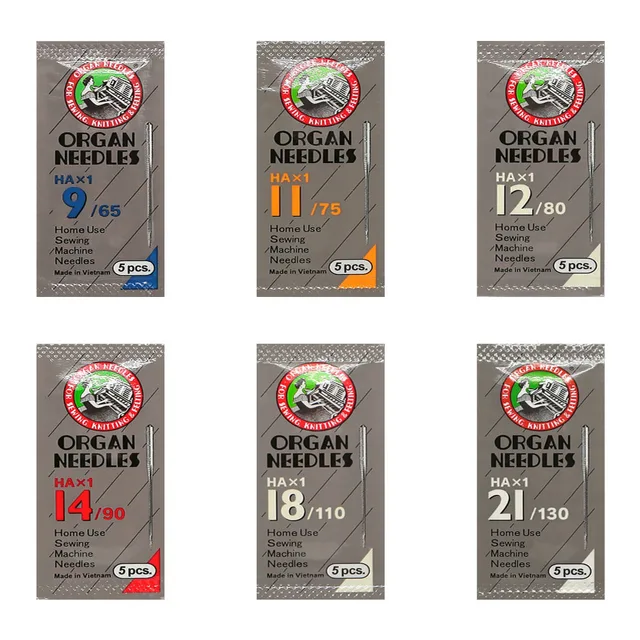 ORGAN HAX1 Household Sewing Machine Needles for SINGER & BROTHER, S...$ 6.49View part →
All Singer parts → Needles & Needle Bars → Rotary Hooks & Bobbin Cases → Thread Path & Tension →
3. Uneven Zigzag Stitch / Poor Stitch Quality medium likelihood
How to tell
The zigzag pattern is inconsistent, with some stitches longer or shorter, or the width varying. Loops may appear on the top or bottom of the fabric, or stitches may look loose or too tight.
Fix
- Adjust both upper and bobbin thread tension. Imbalanced tension is a primary cause of poor stitch quality. Test on scrap fabric.
- Ensure the needle is the correct type and size for the fabric and thread, and that it is inserted correctly.
- Check the zigzag cam for wear or damage. A worn cam can lead to inconsistent zigzag width or movement.
- Inspect the presser foot for damage or incorrect pressure. Ensure it's suitable for zigzag stitching.
- Clean the feed dogs. If they are clogged with lint, fabric may not feed evenly, affecting stitch quality.
- Verify the rotary hook is clean and free of damage, as it plays a crucial role in loop formation.
If your zigzag is inconsistent, the Singer 411362 Zigzag Cam for Singer 457, 457G, 457U Industrial Sewing Machines might be worn. Also, check the Singer #376077 Complete Thread Tension Assembly for proper function.
Parts involved: Thread path & tension → Head & mechanical parts → Needles & needle bars → Rotary hooks & bobbin cases → Presser feet & sewing parts →
4. Needle Breakage medium likelihood
How to tell
The needle snaps frequently during operation, often with a loud crack. This can damage the rotary hook or needle plate.
Fix
- Ensure you are using the correct needle system (e.g., DPx5) and size for your fabric and thread. A needle too fine for heavy fabric will break.
- Verify the needle is inserted correctly, all the way up into the needle bar, and oriented with the scarf facing the hook.
- Check for bent or misaligned presser foot. The needle should pass cleanly through the presser foot hole.
- Inspect the needle plate hole for burrs or damage. If the needle hits the plate, it will break.
- Check the rotary hook timing. If the hook is hitting the needle, it will cause breakage. This requires precise adjustment.
- Avoid pulling or pushing fabric forcefully while sewing, as this can deflect the needle and cause it to break.
A misaligned or damaged KOBAN KRP457 Rotary Hook for Brother 852, 853, 854 & Singer 457A, 457U Sewing Machines can cause needle strikes and breakage.
Parts involved: Needles & needle bars → Rotary hooks & bobbin cases → Presser feet & sewing parts →
Maintenance schedule
| When | What to do | Why |
|---|---|---|
| Daily/Every 8 hours of use | Clean rotary hook area and feed dogs. | Prevents lint buildup that can cause skipped stitches, thread jams, and poor stitch quality. |
| Daily/Every 8 hours of use | Oil specified lubrication points. | Reduces friction and wear on moving parts, extending machine life and ensuring smooth operation. |
| Weekly/Every 40 hours of use | Inspect needle plate and presser foot for burrs or damage. | Damaged parts can cause thread breakage, needle breakage, or fabric damage. |
| Monthly/Every 160 hours of use | Check thread tension assembly for wear or debris. | Ensures consistent stitch quality and prevents thread issues. |
Stop and call a technician if
- If you suspect major timing issues that you are uncomfortable adjusting yourself.
- If there is significant mechanical damage to internal components that you cannot identify or replace.
- If the machine is making grinding noises or seizing up, indicating potential damage to shafts or bearings.
- After attempting all troubleshooting steps and the problem persists.
Prevent it coming back
- Regularly clean your machine, especially the rotary hook area, feed dogs, and tension discs, to prevent lint buildup.
- Use high-quality needles appropriate for your fabric and thread. Replace needles every 8 hours of sewing or at the first sign of dullness or bending.
- Ensure proper lubrication according to your machine's manual to reduce wear on moving parts.
- Use good quality thread that is compatible with your machine and project.
- Perform routine checks for loose screws or worn parts before they cause major issues.
Frequently asked questions
Why is my Singer 457 making a loud knocking noise?
A loud knocking noise often indicates a timing issue, especially between the needle and the rotary hook. It could also be a loose or damaged part in the hook area or needle bar. Stop the machine immediately, check for needle strikes, and inspect the rotary hook for damage or debris.
How often should I oil my Singer 457 series machine?
Industrial machines like the Singer 457 series require regular lubrication. For machines in daily use, oiling should typically be done daily or every few hours of operation, especially in high-friction areas like the rotary hook. Always refer to your machine's specific manual for exact oiling points and frequency.
My Singer 457 is sewing straight stitches instead of zigzag. What's wrong?
If your machine is stuck in straight stitch mode, first check if the zigzag width dial or lever is set to zero. If it's set for zigzag but not performing, the zigzag cam (Singer 411362 Zigzag Cam) might be disengaged, worn, or broken, or there could be an issue with the linkage that controls the needle bar's lateral movement.
Did this guide fix your machine?
Rate it - it helps other operators find the right fix.
Not sure which part is failing?
Need the logo stitched too?
Get your logo digitized by the people who know this machine
Upload the artwork, see the stitch count and the exact price in 10 seconds, then order with a free sew-out preview. $1 per 1,000 stitches, $10 minimum, 24-hour delivery. Vector conversion from $12.
After the fix
Fixed it? Keep the rest of the shop moving.
OS 360 is the shop software from the team behind this parts store. Every job keeps its status, deadline and owner while a Singer head is down, restock alerts fire for needles, hooks and bobbins before you run dry, and quotes, invoices and payment live in one place.
- Jobs with status, deadline and owner - nothing slips during downtime
- Inventory with restock alerts, this store one click away
- Instant quotes, invoices and one place to collect payment