
Blog
Singer 20U Series: Maintenance Guide


Quick answer: Regular maintenance for your Singer 20U series machine involves daily cleaning and oiling, weekly inspections for wear, and periodic replacement of high-wear parts like the rotary hook, bobbin case, needle plate, and feed dog to ensure optimal performance and prevent costly repairs.
The Singer 20U series is a workhorse in many sewing operations, known for its versatility and durability. Like any industrial machine, consistent and proper maintenance is crucial to ensure its longevity, optimal performance, and to prevent costly downtime. This guide provides a comprehensive maintenance schedule and identifies common wear parts, helping you keep your Singer 20U running smoothly for years to come. By following these steps, you can proactively address potential issues and maintain high-quality stitching.
Two-minute checks before you open anything
- Check needle for sharpness and straightness.
- Ensure bobbin is wound evenly and inserted correctly.
- Verify thread path is clear and tension discs are free of lint.
- Listen for any unusual noises during operation.
- Inspect the area around the needle plate and feed dog for lint buildup.
1. Rotary Hook high likelihood
How to tell
Skipped stitches, inconsistent stitch formation, thread breakage, excessive noise from the bobbin area, or visible burrs, nicks, or grooves on the hook point or race. The machine may also jam more frequently.
Fix
- 1. Disconnect the machine from power.
- 2. Remove the needle plate and bobbin case.
- 3. Carefully inspect the tip of the rotary hook for any signs of wear, such as burrs, nicks, or a dull point. Also check the hook race for grooves.
- 4. If wear is present, loosen the set screws that secure the rotary hook in place (consult your machine's manual for exact location).
- 5. Gently remove the old rotary hook.
- 6. Install the new rotary hook (e.g., DB1-Z20 KR24U-42 410054 Rotary Hook), ensuring it is correctly seated and timed with the needle. Refer to your machine's service manual for precise timing instructions.
- 7. Tighten the set screws securely.
- 8. Reassemble the bobbin case and needle plate, then test the machine with scrap fabric to verify stitch quality and timing.
We stock the DB1-Z20 KR24U-42 410054 Rotary Hook for SINGER 20U Series Sewing Machines. It's often beneficial to replace the bobbin case at the same time as the rotary hook.
Parts involved: Rotary hooks & bobbin cases →
2. Bobbin Case high likelihood
How to tell
Loose bottom tension, thread looping on the underside of the fabric, frequent thread jams in the bobbin area, excessive noise from the bobbin area, or visible nicks, burrs, or wear on the bobbin case tension spring or body. Bobbins may not spin freely or may jump out.
Fix
- 1. Disconnect the machine from power.
- 2. Open the bobbin case cover and remove the bobbin case and bobbin.
- 3. Inspect the bobbin case for any nicks, burrs, or damage, especially along the edges where the thread passes and on the tension spring.
- 4. Check if the bobbin spins smoothly within the case. If it's rough or catches, the case may be worn.
- 5. If worn or damaged, replace with a new bobbin case (e.g., HAYA BC-DBZ(3)-NBL Zigzag Sewing Machine Bobbin Case).
- 6. Insert a new bobbin, thread the bobbin case correctly, and reinsert it into the machine.
- 7. Test the machine with scrap fabric, adjusting bobbin tension as needed.
We offer the HAYA BC-DBZ(3)-NBL Zigzag Sewing Machine Bobbin Case for Tajima & Singer 20U (541678, 410025) and 4 Bobbin Cases BC-DBZ(1)-NBL B1837-027-0A0 609NBL6 for Barudan Brother BAS-400 JUKI LZ Singer 20U. Consider replacing the rotary hook at the same time for optimal performance.
Parts involved: Rotary hooks & bobbin cases →
Parts you may need for Singer
In stock, tested before dispatch, Buyer Protection on every order. Part types for this problem: Rotary hooks & bobbin cases, Presser feet & sewing parts, Thread path & tension, Needles & needle bars.
 Bobbin Case & 2 Metal Bobbins for Brother, Janome, Singer, Babylock...$ 5.59View part →
 11PCS Low Shank Presser Foot Kit Set for Singer Brother Janome Kenm...$ 25.09View part →
 Flying Tiger DBx1 Industrial Lockstitch Needles, 100 pcs/box, Sizes...$ 12.09View part →
 AA7032 Open Toe Quilting & Embroidery Presser Foot for Brother, Jan...$ 5.49View part →
 32-Piece Universal Presser Foot Kit for Brother CS6000i, Singer 442...$ 34.99View part →
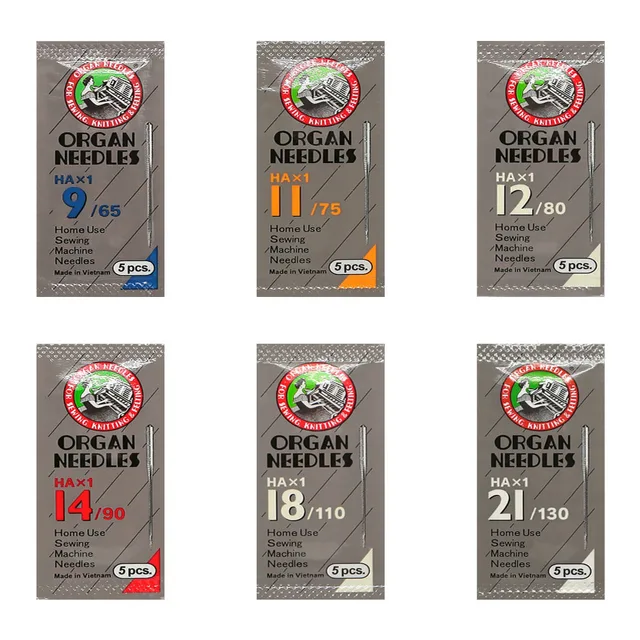 ORGAN HAX1 Household Sewing Machine Needles for SINGER & BROTHER, S...$ 6.49View part →
All Singer parts → Rotary Hooks & Bobbin Cases → Presser Feet & Sewing Parts → Thread Path & Tension →
3. Needle Plate and Feed Dog medium likelihood
How to tell
Fabric not feeding smoothly, skipped stitches, needle breakage, fabric damage (snags or holes), or visible burrs, nicks, or enlarged needle holes on the needle plate. The teeth of the feed dog may appear dull, bent, or broken.
Fix
- 1. Disconnect the machine from power.
- 2. Raise the presser foot and remove the needle.
- 3. Unscrew and remove the needle plate. Inspect the needle hole for enlargement, burrs, or nicks. Check the surface for scratches that could snag fabric.
- 4. Inspect the feed dog teeth for dullness, damage, or accumulation of lint and debris.
- 5. If either component shows significant wear or damage, replace the set (e.g., Replacement 13mm Wide Zig Zag Needle Plate, Feed Dog & Presser Foot Set).
- 6. Clean the area thoroughly before installing new parts.
- 7. Secure the new feed dog and needle plate with their screws.
- 8. Reinstall the needle and presser foot, then test the machine with scrap fabric.
We carry the Replacement 13mm Wide Zig Zag Needle Plate, Feed Dog & Presser Foot Set for Singer 20U, Brother, Consew, Yamata Industrial Sewing Machines, and Needle Plate #543977 13mm Wide Zig Zag for Singer 20U, Brother, Consew, Yamata Industrial Sewing Machines.
Parts involved: Presser feet & sewing parts →
4. Presser Foot medium likelihood
How to tell
Uneven fabric feeding, fabric puckering, skipped stitches, or visible wear, nicks, or damage to the underside of the presser foot, especially on the foot's sole or toes. The foot may also be bent or misaligned.
Fix
- 1. Disconnect the machine from power.
- 2. Raise the presser foot bar and loosen the screw holding the presser foot in place.
- 3. Remove the old presser foot and inspect it for any signs of wear, such as grooves, nicks, or a rough underside that could snag fabric.
- 4. If worn, replace with a new presser foot (e.g., Industrial Curved Hemming Foot for Juki DDL-8700, Brother DB2-B755, Singer 20U, Consew 205RB – Silk & Chiffon).
- 5. Attach the new presser foot, ensuring it is properly aligned with the needle hole in the needle plate.
- 6. Tighten the screw securely.
- 7. Test the machine with scrap fabric, checking for smooth feeding and even stitches.
We offer various presser feet, including the Industrial Curved Hemming Foot for Juki DDL-8700, Brother DB2-B755, Singer 20U, Consew 205RB – Silk & Chiffon. A worn presser foot is often part of the Replacement 13mm Wide Zig Zag Needle Plate, Feed Dog & Presser Foot Set.
Parts involved: Presser feet & sewing parts →
Maintenance schedule
| When | What to do | Why |
|---|---|---|
| Daily (or per shift) | Clean and Oil | Removes lint and debris that can cause friction and wear. Oiling lubricates moving parts, reducing friction and heat, which prevents premature wear and ensures smooth operation. Pay special attention to the rotary hook, needle bar, and presser foot bar. |
| Weekly | Thorough Cleaning and Inspection | A deeper clean removes accumulated lint from under the needle plate, around the feed dogs, and inside the bobbin case area. Inspection helps identify early signs of wear on parts like the rotary hook, bobbin case, needle plate, and presser foot before they cause major issues. |
| Monthly | Check Belts and Screws, Lubricate Gear Points | Ensures all belts are properly tensioned and free of cracks. Tightens any loose screws that can lead to misalignment or vibration. Lubricating specific gear points (refer to your manual) prevents excessive wear on these critical components. |
| Every 500-1000 Hours (or Annually) | Professional Service and Major Component Inspection | A professional technician can perform a comprehensive inspection, adjust timing, check motor brushes, inspect internal gears and shafts, and replace any parts showing significant wear. This extends the machine's lifespan and maintains factory specifications. |
Stop and call a technician if
- If you encounter persistent issues after performing all recommended maintenance and troubleshooting steps.
- If the machine is making unusual grinding or clunking noises that you cannot identify or resolve.
- If you suspect internal timing issues beyond basic hook timing.
- For any electrical problems or motor malfunctions.
- If you are uncomfortable performing a specific repair or replacement.
Prevent it coming back
- Always use high-quality needles appropriate for your fabric and thread type. Replace needles frequently (e.g., every 8 hours of sewing or at the first sign of dullness/bending).
- Use good quality thread that is free of knots and slubs, as poor thread can cause excessive lint and tension issues.
- Avoid sewing over pins, as this can damage the needle, needle plate, and rotary hook.
- Ensure proper thread tension for both the needle and bobbin to prevent excessive strain on machine components.
- Do not force thick fabrics or multiple layers through the machine if it struggles; this can bend parts or strain the motor.
- Keep the machine covered when not in use to protect it from dust and debris.
Frequently asked questions
How often should I oil my Singer 20U?
For industrial use, your Singer 20U should be oiled daily, or at the start of each shift, using high-quality sewing machine oil. Consult your machine's manual for specific oiling points.
What kind of oil should I use for my Singer 20U?
Always use a high-quality, clear, non-detergent sewing machine oil. Avoid using general-purpose oils like WD-40, as they can gum up the machine and cause damage.
Why is my Singer 20U skipping stitches after maintenance?
Skipped stitches after maintenance often indicate incorrect needle installation, a dull or bent needle, or improper timing of the rotary hook. Double-check your needle, and if you replaced the rotary hook, ensure it was timed correctly according to your machine's manual.
When should I replace the rotary hook on my Singer 20U?
The rotary hook should be replaced when you observe consistent skipped stitches, thread breakage, excessive noise from the bobbin area, or visible burrs, nicks, or grooves on the hook point. Its lifespan depends on usage, but it's a high-wear item.
Can I use household sewing machine parts on my industrial Singer 20U?
No, industrial sewing machines like the Singer 20U require specific industrial-grade parts. Household machine parts are not designed for the speed, tension, and durability required by industrial machines and will likely not fit or perform correctly.
Did this guide fix your machine?
Rate it - it helps other operators find the right fix.
Not sure which part is failing?
Need the logo stitched too?
Get your logo digitized by the people who know this machine
Upload the artwork, see the stitch count and the exact price in 10 seconds, then order with a free sew-out preview. $1 per 1,000 stitches, $10 minimum, 24-hour delivery. Vector conversion from $12.
After the fix
Fixed it? Keep the rest of the shop moving.
OS 360 is the shop software from the team behind this parts store. Every job keeps its status, deadline and owner while a Singer head is down, restock alerts fire for needles, hooks and bobbins before you run dry, and quotes, invoices and payment live in one place.
- Jobs with status, deadline and owner - nothing slips during downtime
- Inventory with restock alerts, this store one click away
- Instant quotes, invoices and one place to collect payment