
Blog
Durkopp Adler 867 Series: Essential Maintenance Guide

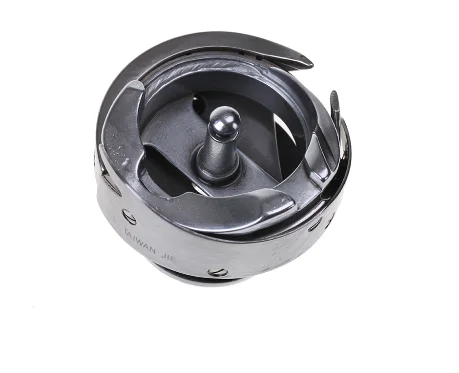
Quick answer: Regular maintenance for your Durkopp Adler 867 series machine involves daily cleaning and lubrication, weekly inspection of thread path components, and periodic replacement of wear items like bobbins, bobbin tension springs, and presser feet to ensure optimal performance and longevity.
Maintaining your Durkopp Adler 867 series industrial sewing machine is crucial for its longevity, consistent performance, and the quality of your work. Regular, proactive maintenance can prevent costly breakdowns, reduce downtime, and ensure your machine operates at peak efficiency. This guide outlines essential maintenance tasks, common wear items, and a recommended schedule to keep your 867 running smoothly.
Two-minute checks before you open anything
- Check needle for sharpness and straightness.
- Ensure all thread guides are clear and free of lint.
- Verify bobbin is correctly wound and inserted.
- Check that the presser foot is securely attached and not damaged.
- Listen for any unusual noises during initial operation.
- Confirm proper lubrication levels in visible oil reservoirs (if applicable).
1. Bobbins (Aluminum and 6-Hole) high likelihood
How to tell
Bobbins may show signs of wear such as scratches, burrs, or deformation, especially around the edges where thread passes. This can lead to inconsistent thread tension, thread breakage, or poor stitch quality. If a bobbin doesn't spin smoothly in the bobbin case or feels rough, it's likely worn.
Fix
- Remove the bobbin from the bobbin case.
- Inspect the bobbin carefully for any physical damage, burrs, or rough spots.
- If any damage is found, replace the bobbin with a new one. Always use bobbins designed for your machine, such as Durkopp Adler 0667 150803 32mm Aluminum Bobbins or Durkopp Adler 0867-150150 6-Hole Bobbins.
- Ensure the new bobbin is wound correctly and inserted properly into the bobbin case.
We stock Durkopp Adler 0667 150803 32mm Aluminum Bobbins (10-Pack) and Durkopp Adler 0867-150150 (0867150150) 6-Hole Bobbins.
Parts involved: Rotary hooks & bobbin cases → Threads & supplies →
2. Bobbin Tension Spring medium likelihood
How to tell
Inconsistent or incorrect bobbin thread tension that cannot be adjusted properly, or frequent bobbin thread breakage, can indicate a worn or damaged bobbin tension spring. Visually inspect the spring for bending, flattening, or breakage.
Fix
- Remove the bobbin case from the machine.
- Carefully inspect the small spring located on the bobbin case where the bobbin thread passes. Look for any deformation, cracks, or signs of weakness.
- If the spring appears damaged or if tension remains erratic after cleaning and adjustment, it should be replaced.
- To replace, carefully unscrew the small screw holding the spring in place, remove the old spring, and install a new 32mm Bobbin Tension Spring 0767-150590, ensuring it is seated correctly before tightening the screw.
We stock 32mm Bobbin Tension Spring 0767-150590.
Parts involved: Thread path & tension → Screws, springs & small parts →
Parts you may need for your machine
In stock, tested before dispatch, Buyer Protection on every order. Part types for this problem: Rotary hooks & bobbin cases, Needles & needle bars, Thread path & tension, Presser feet & sewing parts.
 TC-805 Stainless Steel Yarn Shears – Precision Thread Clippers for ...$ 3.59View part →
 Bobbin Case & 2 Metal Bobbins for Brother, Janome, Singer, Babylock...$ 5.59View part →
 Portable Mini Manual Sewing Machine - Handy Needlework Tool for Sim...$ 10.49View part →
 Adjustable Retro Sewing Thimble Finger Protection for Embroidery & ...$ 4.99View part →
 3200M Metallic Silk Thread Computer Cross-stitch Thread for Machine...$ 0.00View part →
 CHCH Essential Embroidery Machine Spare Part - Restore Performance$ 0.00View part →
All your machine parts → Rotary Hooks & Bobbin Cases → Needles & Needle Bars → Thread Path & Tension →
3. Presser Feet (Right Guiding and Center Guide) medium likelihood
How to tell
Presser feet can wear down, develop grooves, or become bent over time, especially with heavy use or when sewing abrasive materials. Symptoms include uneven feeding of material, skipped stitches, poor stitch formation, or damage to the material being sewn. Visually inspect the bottom surface and edges of the presser foot for wear, nicks, or deformation.
Fix
- Raise the presser foot and visually inspect its underside and guiding edges.
- Look for any grooves worn into the foot, especially where the needle passes or where material rubs extensively.
- Check for any bending or damage to the foot that could affect its ability to hold and guide material evenly.
- If significant wear or damage is present, replace the presser foot. Unscrew the retaining screw, remove the old foot, and install a new one, ensuring it is properly aligned before tightening the screw.
- Use the correct type of presser foot for your application, such as a Right Guiding Presser Foot or a Center Guide Presser Foot.
We stock Right Guiding Presser Foot and Center Guide Presser Foot for Durkopp Adler 867 series.
Parts involved: Presser feet & sewing parts →
Maintenance schedule
| When | What to do | Why |
|---|---|---|
| Daily (or every 8 hours of operation) | Clean lint and dust from the bobbin area, rotary hook, and feed dogs. | Prevents lint buildup from interfering with thread path, tension, and stitch formation, reducing wear on the hook. |
| Daily (or every 8 hours of operation) | Lubricate the rotary hook and other specified oiling points. | Reduces friction and wear on moving parts, ensuring smooth operation and preventing overheating. Refer to your manual for exact points and oil type. |
| Daily (or at the start of each shift) | Inspect needle for damage and replace if bent, dull, or burred. | A sharp, straight needle is essential for clean stitches and prevents damage to fabric and machine components. |
| Weekly | Clean the entire thread path, including tension discs, thread guides, and take-up lever. | Removes accumulated lint and thread residue that can cause inconsistent tension and thread breakage. |
| Weekly | Inspect presser feet for wear, grooves, or damage. | Worn presser feet can cause uneven feeding, skipped stitches, or damage to material. Replace as needed. |
| Monthly (or every 160 hours of operation) | Inspect bobbins for damage (scratches, burrs, deformation) and replace as necessary. | Damaged bobbins lead to poor stitch quality and thread issues. |
| Monthly (or every 160 hours of operation) | Check bobbin tension spring for proper function and signs of fatigue. | Ensures consistent bobbin thread tension; a weak spring can cause stitch problems. |
| Every 500-1000 hours (or as per manual) | Inspect belts for wear, cracks, or tension. | Ensures proper power transmission and prevents slippage or breakage. |
| Every 500-1000 hours (or as per manual) | Thorough cleaning of internal mechanisms (requires partial disassembly). | Removes deep-seated lint and debris that daily cleaning might miss, preventing long-term issues. This may require a technician. |
Stop and call a technician if
- If you encounter persistent error codes that do not clear after basic troubleshooting.
- If there are unusual noises (grinding, knocking) coming from the machine that you cannot identify or resolve.
- If the machine is not feeding material correctly and basic adjustments or part replacements do not fix the issue.
- For any complex mechanical issues or adjustments that require specialized tools or expertise.
- If electrical problems or motor malfunctions occur.
Prevent it coming back
- Always use high-quality needles appropriate for your material and thread type, and replace them regularly.
- Use only recommended industrial sewing machine oil for lubrication.
- Ensure proper thread tension settings to avoid undue stress on machine components.
- Keep your workspace clean to prevent dust and lint from entering the machine.
- Avoid forcing thick materials through the machine if it's not designed for them.
- Train operators on proper machine use and basic daily maintenance.
Frequently asked questions
How often should I lubricate my Durkopp Adler 867?
Lubrication frequency depends on usage. For typical industrial use, daily oiling of the hook and other specified points is recommended. Always refer to your machine's official manual for precise lubrication points and intervals, as well as the correct type of oil.
What kind of oil should I use for my Durkopp Adler 867?
Always use high-quality, non-staining sewing machine oil specifically designed for industrial sewing machines. Consult your Durkopp Adler 867 manual for the exact oil specifications and recommendations to avoid damage and ensure optimal performance.
Why is my Durkopp Adler 867 skipping stitches?
Skipped stitches can be caused by several factors, including a dull or bent needle, incorrect needle size or type, improper threading, incorrect tension, a worn rotary hook, or issues with the presser foot. Regular maintenance, including needle replacement and cleaning, can prevent many of these issues.
How do I know when to replace my bobbins?
Replace bobbins if they show any signs of damage such as scratches, burrs, dents, or if they don't spin smoothly. Damaged bobbins can cause thread breakage, inconsistent tension, and poor stitch quality. It's good practice to inspect them regularly.
Did this guide fix your machine?
Rate it - it helps other operators find the right fix.
Not sure which part is failing?
Need the logo stitched too?
Get your logo digitized by the people who know this machine
Upload the artwork, see the stitch count and the exact price in 10 seconds, then order with a free sew-out preview. $1 per 1,000 stitches, $10 minimum, 24-hour delivery. Vector conversion from $12.
After the fix
Fixed it? Keep the rest of the shop moving.
OS 360 is the shop software from the team behind this parts store. Every job keeps its status, deadline and owner while a embroidery head is down, restock alerts fire for needles, hooks and bobbins before you run dry, and quotes, invoices and payment live in one place.
- Jobs with status, deadline and owner - nothing slips during downtime
- Inventory with restock alerts, this store one click away
- Instant quotes, invoices and one place to collect payment