
Blog
Durkopp Adler 269 Series: Essential Maintenance Guide


Quick answer: Regular maintenance, including cleaning, lubrication, and timely replacement of wear parts like rotary hooks, presser feet, and feed dogs, is crucial for the Durkopp Adler 269 series to ensure consistent stitch quality and prevent costly breakdowns. Follow a daily, weekly, and monthly schedule.
The Durkopp Adler 269 series is a workhorse in industrial sewing, known for its reliability and precision. To maintain its high performance and extend its lifespan, regular and thorough maintenance is essential. This guide provides a comprehensive overview of routine checks, lubrication, and identification of common wear parts, helping you keep your machine running at its best. Remember, timely maintenance prevents costly downtime and ensures consistent stitch quality.
Two-minute checks before you open anything
- Check needle for sharpness and straightness.
- Inspect thread path for snags or lint.
- Verify bobbin is correctly wound and inserted.
- Listen for unusual noises during operation.
- Check stitch quality for consistency.
- Wipe down the machine exterior to remove dust and debris.
1. Needles high likelihood
How to tell
Skipped stitches, broken threads, damaged fabric, dull point, bent shaft, burrs on the eye or point. A needle should be replaced at the first sign of wear or after a set number of operating hours.
Fix
- Inspect the needle point and shaft for bends, burrs, or dullness. Run a finger gently over the point to feel for snags.
- Loosen the needle clamp screw.
- Remove the old needle.
- Insert a new, correct-sized needle, ensuring the scarf is facing the rotary hook and it's pushed all the way up into the needle bar.
- Tighten the needle clamp screw securely.
Parts involved: Needles & needle bars →
2. Rotary Hook and Bobbin Case high likelihood
How to tell
Inconsistent stitch formation, skipped stitches, thread breakage, noisy operation, bobbin case rattling, burrs or nicks on the hook point or bobbin case edges. The hook point can become dull or damaged over time.
Fix
- Remove the needle plate and bobbin case.
- Inspect the rotary hook point for sharpness and burrs. Check the bobbin case for nicks, scratches, or deformation, especially around the thread exit points.
- Clean any lint or debris from the hook race and bobbin case.
- If burrs are minor, they can sometimes be carefully polished with very fine abrasive paper, but replacement is often the best solution for consistent quality.
- Replace the rotary hook or bobbin case if significant wear or damage is found. Ensure the new part is correctly oriented and seated.
Parts involved: Rotary hooks & bobbin cases →
Parts you may need for your machine
In stock, tested before dispatch, Buyer Protection on every order. Part types for this problem: Needles & needle bars, Rotary hooks & bobbin cases, Presser feet & sewing parts, Thread path & tension.
 Bobbin Case & 2 Metal Bobbins for Brother, Janome, Singer, Babylock...$ 5.59View part →
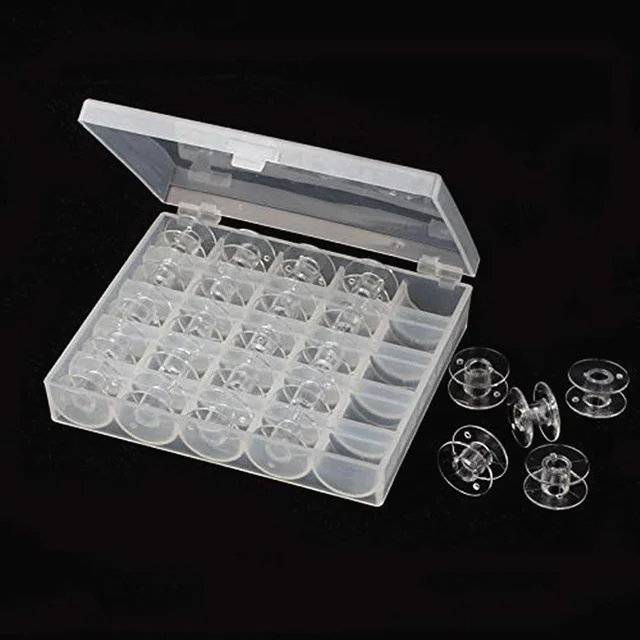 OZXHIXU AA7650 25Pcs Clear Plastic Sewing Machine Bobbins Spools & ...$ 6.49View part →
 Cartridge Tattoo Needles RL RS RM M1 Disposable Sterilized Safety T...$ 15.99View part →
 11PCS Low Shank Presser Foot Kit Set for Singer Brother Janome Kenm...$ 25.09View part →
 Flying Tiger DBx1 Industrial Lockstitch Needles, 100 pcs/box, Sizes...$ 12.09View part →
 AA7032 Open Toe Quilting & Embroidery Presser Foot for Brother, Jan...$ 5.49View part →
All your machine parts → Needles & Needle Bars → Rotary Hooks & Bobbin Cases → Presser Feet & Sewing Parts →
3. Presser Feet high likelihood
How to tell
Uneven feeding, fabric marking, poor stitch consistency, difficulty guiding material. The bottom surface of the foot can wear smooth, or the edges can become sharp or nicked, especially with heavy materials or specific foot types like zipper or binding feet.
Fix
- Inspect the bottom surface of the presser foot for wear, nicks, or burrs.
- Check the foot's alignment with the needle and feed dog.
- Clean any accumulated lint or debris from the foot's underside and around the mounting screw.
- If wear is significant or damage is present, replace the presser foot. Ensure you use the correct type for your application (e.g., Binding Sewing Feet Set for Durkopp Adler 69, 267, 269 Industrial Machines or Durkopp Adler Industrial Zipper Foot Set #067-22-070-0 #067-22-079-0 for 67, 167, 267, 69, 269).
- Tighten the presser foot screw securely.
We stock Binding Sewing Feet Set for Durkopp Adler 69, 267, 269 Industrial Machines, Durkopp Adler Industrial Zipper Foot Set #067-22-070-0 #067-22-079-0 for 67, 167, 267, 69, 269, and Durkopp Adler 67, 167, 267, 69, 269 Zipper Foot Set #067-22-070-6 + #067-22-078-0.
Parts involved: Presser feet & sewing parts →
4. Feed Dog and Needle Plate medium likelihood
How to tell
Fabric not feeding smoothly, uneven stitch length, damage to fabric, excessive noise during feeding. The teeth of the feed dog can become dull or chipped, and the needle plate hole can become enlarged or burred.
Fix
- Remove the needle plate.
- Inspect the feed dog teeth for sharpness, chips, or accumulation of debris.
- Examine the needle plate hole for burrs, nicks, or enlargement. An enlarged hole can cause skipped stitches or fabric damage.
- Clean any lint or debris from around the feed dog and under the needle plate.
- If significant wear or damage is found, replace the feed dog and/or needle plate. Ensure the new parts are correctly installed and aligned.
- Reinstall the needle plate, ensuring screws are snug.
Parts involved: Presser feet & sewing parts →
5. Thread Guides and Tension Discs medium likelihood
How to tell
Inconsistent thread tension, thread breakage, fraying thread, poor stitch quality. Thread guides can develop grooves or burrs, and tension discs can become grooved or dirty, preventing smooth thread passage.
Fix
- Carefully inspect all thread guides along the thread path for nicks, burrs, or deep grooves. Run a piece of thread through each guide to check for snagging.
- Examine the tension discs for grooves, dirt, or lint buildup. Ensure they open and close freely when the presser foot is lifted.
- Clean tension discs thoroughly with a brush or a piece of cloth. Use compressed air to remove lint from guides.
- If guides are grooved or burred, they should be replaced to prevent thread damage. If tension discs are deeply grooved, replace the tension assembly.
Parts involved: Thread path & tension →
6. Belts low likelihood
How to tell
Squealing noises, loss of power, inconsistent machine speed, visible cracks, fraying, or stretching. A loose or worn belt can affect timing and overall machine performance.
Fix
- Visually inspect all drive belts for cracks, fraying, or excessive wear.
- Check belt tension. A belt that is too loose will slip, and one that is too tight can strain bearings.
- If a belt is worn or damaged, it should be replaced. Refer to your machine's manual for specific belt types and tensioning procedures.
- Ensure proper alignment of pulleys after replacement.
Parts involved: Belts, pulleys & gears →
Maintenance schedule
| When | What to do | Why |
|---|---|---|
| Daily (or every 8 hours of operation) | Clean the hook area and bobbin case. | Prevents lint and thread accumulation that can cause skipped stitches, thread breakage, and wear on the hook. |
| Daily (or every 8 hours of operation) | Lubricate the rotary hook and other specified daily oiling points. | Reduces friction and wear, ensuring smooth operation and preventing overheating of critical components. |
| Daily (or every 8 hours of operation) | Replace the needle. | A fresh needle prevents skipped stitches, fabric damage, and reduces strain on the machine. |
| Weekly | Clean under the needle plate and around the feed dog. | Removes accumulated lint and debris that can hinder fabric feeding and cause uneven stitches. |
| Weekly | Inspect and clean thread tension discs and thread guides. | Ensures smooth thread passage and consistent tension, preventing thread breakage and poor stitch quality. |
| Weekly | Check presser foot and feed dog for wear or damage. | Worn parts can lead to uneven feeding, fabric marking, and inconsistent stitch length. |
| Monthly | Lubricate all other specified oiling points (e.g., needle bar, presser bar, linkages). | Maintains smooth movement of all mechanical parts and prevents premature wear. |
| Monthly | Inspect drive belts for wear, cracks, or proper tension. | Ensures correct timing and power transmission, preventing slippage and inconsistent machine speed. |
| Every 3-6 Months (or 500-1000 operating hours) | Thorough cleaning and inspection of entire machine, including internal mechanisms. | Identifies deeper wear issues, allows for comprehensive lubrication, and prevents minor problems from escalating. |
| Annually (or as needed) | Professional servicing by a qualified technician. | Ensures proper timing, adjustment, and replacement of internal wear parts that may not be accessible for routine operator maintenance. |
Stop and call a technician if
- If you encounter persistent mechanical noises that don't resolve with cleaning and lubrication.
- If the machine's timing is off and you are not experienced in adjusting it.
- If you suspect issues with internal gears, shafts, or motors.
- For complex electronic or control panel issues.
- If you've followed all troubleshooting steps and the problem persists.
Prevent it coming back
- Always use high-quality needles appropriate for your fabric and thread type, and replace them regularly.
- Use only high-quality industrial sewing machine oil and lubricate according to the manufacturer's schedule.
- Keep the machine clean, especially the hook area, feed dog, and tension discs, to prevent lint buildup.
- Ensure proper thread tension to avoid unnecessary strain on machine parts.
- Avoid forcing thick materials through the machine; adjust presser foot pressure and needle size accordingly.
- Train operators on proper machine handling and basic troubleshooting to minimize misuse and damage.
Frequently asked questions
How often should I oil my Durkopp Adler 269?
The Durkopp Adler 269 series requires regular lubrication. Check your machine's manual for the exact oiling points and frequency, but generally, daily oiling of the hook and other moving parts is recommended for machines in constant use. Other points may require weekly or monthly lubrication.
What kind of oil should I use for my Durkopp Adler 269?
Always use a high-quality, non-staining industrial sewing machine oil specifically designed for high-speed industrial machines. Refer to your machine's manual for the manufacturer's recommended oil specifications.
Why am I getting skipped stitches on my Durkopp Adler 269?
Skipped stitches are often caused by a dull or bent needle, incorrect needle insertion, improper thread tension, a worn rotary hook point, or an enlarged needle plate hole. Start by replacing the needle and re-threading the machine, then inspect the hook and needle plate.
How do I know when to replace the rotary hook?
Replace the rotary hook if you notice burrs, nicks, or a dull point that snags thread, or if you experience persistent skipped stitches or thread breakage despite using a new needle and correct tension. Regular inspection is key.
Can I use any presser foot on my Durkopp Adler 269?
No, you must use presser feet specifically designed for the Durkopp Adler 269 series or compatible models (like the 69, 267 series). Using incorrect feet can lead to poor stitch quality, fabric damage, or machine wear. We stock specific feet like Binding Sewing Feet Set for Durkopp Adler 69, 267, 269 Industrial Machines and various zipper foot sets.
Did this guide fix your machine?
Rate it - it helps other operators find the right fix.
Not sure which part is failing?
Need the logo stitched too?
Get your logo digitized by the people who know this machine
Upload the artwork, see the stitch count and the exact price in 10 seconds, then order with a free sew-out preview. $1 per 1,000 stitches, $10 minimum, 24-hour delivery. Vector conversion from $12.
After the fix
Fixed it? Keep the rest of the shop moving.
OS 360 is the shop software from the team behind this parts store. Every job keeps its status, deadline and owner while a embroidery head is down, restock alerts fire for needles, hooks and bobbins before you run dry, and quotes, invoices and payment live in one place.
- Jobs with status, deadline and owner - nothing slips during downtime
- Inventory with restock alerts, this store one click away
- Instant quotes, invoices and one place to collect payment