
Blog
Tajima TMEZ Series: Common Problems & Fixes Guide

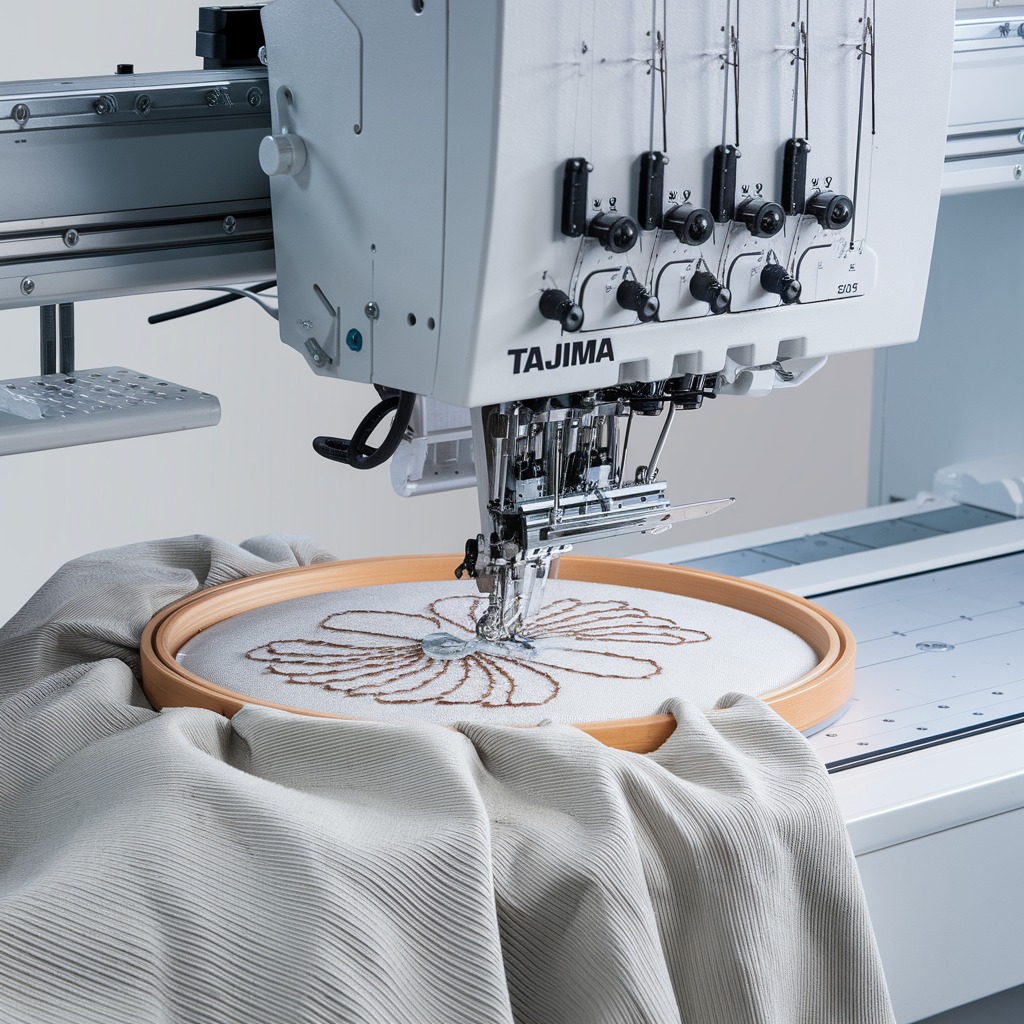
Quick answer: Common Tajima TMEZ problems include thread breakage (often due to tension, needle, or hook issues), skipped stitches (tension, needle, hook), needle breakage (timing, bent needle, hoop), and trimming failures (cutter assembly). Always start with basic checks like thread path, needle condition, and bobbin installation.
The Tajima TMEZ series is a robust line of embroidery machines, known for its precision and durability. However, like all industrial equipment, TMEZ machines can encounter common operational issues. This guide from 360 Digitizing Shop provides practical troubleshooting steps for the most frequently reported problems, helping operators quickly diagnose and resolve issues to minimize downtime. We focus on actionable fixes and identify the replacement parts you might need to get your machine running smoothly again.
Two-minute checks before you open anything
- Is the machine threaded correctly from spool to needle?
- Is the bobbin wound evenly and inserted correctly with proper tension?
- Is the needle new, sharp, inserted correctly, and the right type for your material?
- Is the fabric hooped tightly and correctly, without wrinkles?
- Are there any visible obstructions in the thread path, needle plate, or rotary hook area?
- Are all machine covers closed and safety interlocks engaged?
1. Frequent Thread Breakage high likelihood
How to tell
The machine stops frequently with a 'thread break' error, or you observe the thread snapping during sewing. This can happen on specific needles or across all heads.
Fix
- Check the entire thread path for any snags, burrs, or obstructions from the cone to the needle. Ensure thread guides are clear and not bent.
- Inspect the needle for burrs, bends, or dullness. Replace if any damage is found.
- Verify upper thread tension. It should be firm but allow the thread to pull smoothly. Adjust tension discs if too tight or too loose.
- Check bobbin tension and ensure the bobbin is wound evenly and inserted correctly into the bobbin case.
- Inspect the rotary hook for burrs or damage, especially around the hook point and thread finger. Clean any lint buildup.
- Ensure the thread is correctly seated in the thread take-up lever and tension release mechanism.
Consider replacing your KHS20-R Jumbo Rotary Hook for TAJIMA TME-DC, TMFX, TMB, TMAR, TMEZ & BROTHER BAS-415, BAS-416, BAS-423 Embroidery Machines if damaged. Ensure you have fresh, sharp needles.
Parts involved: Needles & needle bars → Thread path & tension → Rotary hooks & bobbin cases → Screws, springs & small parts →
2. Skipped Stitches or Poor Stitch Quality high likelihood
How to tell
Embroidery appears uneven, loose, or has gaps where stitches should be. Loops may appear on the top or bottom of the fabric. The machine might make an unusual 'thud' sound when skipping.
Fix
- Replace the needle with a new, correct size and type for your fabric and thread. Ensure it's inserted correctly and fully seated.
- Check upper and bobbin thread tension. Adjust as needed to achieve balanced stitches.
- Inspect the rotary hook for damage or lint accumulation. Clean thoroughly.
- Verify that the presser foot is set to the correct height and is not interfering with the needle or fabric movement.
- Check the timing between the needle and the rotary hook. If significantly off, this may require a technician, but minor adjustments can sometimes be made by experienced operators.
- Ensure the fabric is hooped correctly and taut, without wrinkles or slack.
A worn KHS20-R Jumbo Rotary Hook for TAJIMA TME-DC, TMFX, TMB, TMAR, TMEZ & BROTHER BAS-415, BAS-416, BAS-423 Embroidery Machines can cause this. Check your Tajima EF0613220000 EF0613210000 090460040020 090460040031 Presser Foot Bushing Guide Collar for TFMX TMAR TMBP-SC TMEZ for wear.
Parts involved: Needles & needle bars → Thread path & tension → Rotary hooks & bobbin cases → Presser feet & sewing parts → Hoops & frames →
Parts you may need for Tajima TMEZ
In stock, tested before dispatch, Buyer Protection on every order. Part types for this problem: Needles & needle bars, Thread path & tension, Rotary hooks & bobbin cases, Screws, springs & small parts.
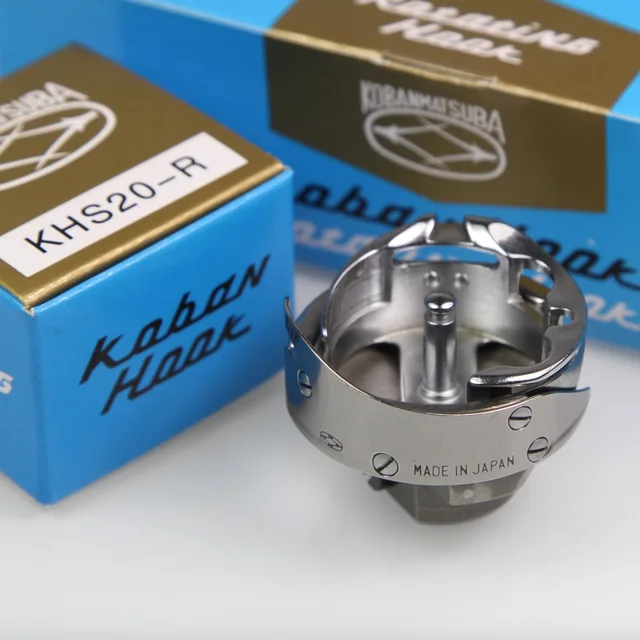 KHS20-R Jumbo Rotary Hook for TAJIMA TME-DC, TMFX, TMB, TMAR, TMEZ ...$ 21.29View part →
 Tajima Magnetic Embroidery Hoop 150x150mm 5.5x5.5 Inches Length 355...$ 83.09View part →
 EF6600000000 JHX-G8L1000 1000P/R Rotary Encoder for Chinese Tajima ...$ 92.49View part →
 Genuine Japanese MBL S5M1270 Timing Belt 20mm for Tajima TFMX, TMAR...$ 68.99View part →
 Tajima Embroidery Machine Gauge for TFMX, TMAR, TFGN, TMEZ Series M...$ 44.09View part →
 Tajima PB0025A1PW00 Power Supply 150W 24V for TEHX-C1501, TMEZ, TMA...$ 140.99View part →
All Tajima TMEZ parts → Needles & Needle Bars → Thread Path & Tension → Rotary Hooks & Bobbin Cases →
3. Needle Breakage medium likelihood
How to tell
Needles snap frequently, often with a loud 'crack'. This can occur during stitching, trimming, or color changes.
Fix
- Replace the needle with a new, correct size and type. Ensure it is inserted correctly, fully seated, and facing the right direction.
- Check for any obstructions in the needle plate or presser foot that the needle might be hitting.
- Verify that the fabric is hooped securely and taut. Loose fabric can cause needle deflection.
- Inspect the rotary hook for damage or misalignment that could be striking the needle.
- Check the needle bar height and depth. If too low or too high, it can cause collisions. Refer to your machine manual for correct settings.
- Examine the presser foot for damage or incorrect height that might be causing the needle to strike it.
- Check the machine timing. Incorrect needle bar-to-hook timing is a common cause of needle breaks. This often requires professional adjustment.
A bent Tajima EF053202S000 Needle Bar Reciprocator Assembly for TMFX, TFMX, TMBR, TMEZ, China Embroidery Machines or Tajima 080210370A11 U89400000000 KN[A] Needle Bar Reciprocator Assembly for TMFX TFMX TFGN TMEZ TMBP Series Machines can contribute. Ensure your Tajima EF0613220000 EF0613210000 090460040020 090460040031 Presser Foot Bushing Guide Collar for TFMX TMAR TMBP-SC TMEZ is not worn.
Parts involved: Needles & needle bars → Rotary hooks & bobbin cases → Presser feet & sewing parts → Hoops & frames → Head & mechanical parts →
4. Trimming Issues (Not Cutting or Poor Cut) medium likelihood
How to tell
Threads are not cut cleanly after a trim command, or the machine reports a 'trim error'. Threads may be left long, frayed, or not cut at all.
Fix
- Clean the cutter area thoroughly. Lint and thread scraps can jam the mechanism.
- Inspect the moving and fixed blades for dullness, nicks, or damage. Replace if necessary.
- Check the tension of the trimming belt. If it's loose, the cutter may not engage fully.
- Verify the cutter timing. If the blades are not meeting correctly, they won't cut effectively.
- Ensure the jump solenoid is functioning correctly. You should hear a distinct click when it activates.
- Check for any obstructions preventing the cutter from moving freely.
The Tajima High-Speed Plastic Cutter Assembly FD Motor for TMFX, TMEZ, TMBP-SC, TMAR-KC, TMCR Series is a common replacement. Check the Tajima JP1-A-36 Jump Solenoid for TFMX, TMFX, TFGN, TMEZ Embroidery Machines. Also inspect Tajima Genuine MBL Trimming Belt S5M425 25mm for TFMX, TFMX-IIC, TFMX-C, TMEZ, TMAR-KC Series.
Parts involved: Cutters & trimmers → Belts, pulleys & gears → Solenoids & magnets →
5. Machine Not Moving or Error Codes Related to Movement low likelihood
How to tell
The machine fails to start, stops unexpectedly, or displays error codes related to motor, encoder, or main shaft movement.
Fix
- Check all power connections and ensure the machine is receiving adequate power.
- Inspect timing belts for wear, looseness, or breakage. Replace any damaged belts.
- Check the main shaft encoder for proper connection and any visible damage. A faulty encoder can cause erratic movement or stopping.
- Listen for unusual noises from motors. If a motor is humming but not turning, or making grinding noises, it may be failing.
- If an error code is displayed, consult your machine's operation manual for specific troubleshooting steps related to that code.
- Ensure no physical obstructions are preventing machine movement (e.g., tangled thread, tools left on the machine).
Common culprits include the Genuine MBL S5M900 Main Shaft Motor Belt 25mm for Tajima TMAR, TFMX, TMEZ, TFW Series Embroidery Machines, or the JHX-G8L1000 1000P/R Rotary Encoder for Chinese Tajima TFMX TFGN TMEZ TMBP TMAR Feiya Ricoma Barudan Embroidery Machines. A failing Tajima PB0025A1PW00 Power Supply 150W 24V for TEHX-C1501, TMEZ, TMAR, TMBR-SC Embroidery Machines can also cause issues.
Parts involved: Belts, pulleys & gears → Motors & drivers → Sensors & switches → Circuit boards & electronics →
Maintenance schedule
| When | What to do | Why |
|---|---|---|
| Daily | Clean the rotary hook area and oil the hook. | Prevents lint buildup and ensures smooth hook rotation, reducing thread breaks and wear. |
| Weekly | Clean the entire thread path, including tension discs and thread guides. | Removes wax and lint accumulation that can cause thread breaks and tension issues. |
| Weekly | Inspect and clean the cutter mechanism. | Ensures clean trims and prevents cutter jams. |
| Monthly | Lubricate all specified moving parts according to the machine manual. | Reduces friction and wear, extending the lifespan of mechanical components. |
| Quarterly | Inspect timing belts for wear, tension, and alignment. | Prevents slippage, ensures accurate machine timing, and avoids unexpected breakdowns. |
Stop and call a technician if
- If you suspect major timing issues that you are not comfortable adjusting.
- If the machine displays persistent error codes after basic troubleshooting.
- If you hear grinding noises from motors or major mechanical components.
- If electrical issues are suspected, such as power fluctuations or burnt smells.
- For any repair that involves disassembling complex mechanical assemblies beyond your comfort level.
Prevent it coming back
- Regularly clean the machine, especially the rotary hook area, thread path, and cutter mechanism, to prevent lint buildup.
- Always use high-quality needles appropriate for your fabric and thread type, and replace them proactively.
- Ensure proper thread tension for both upper and bobbin threads to prevent stress on components and improve stitch quality.
- Perform routine lubrication as per your machine's manual to reduce wear on moving parts.
- Inspect timing belts periodically for signs of wear, cracking, or looseness.
- Ensure fabric is hooped correctly and taut to prevent needle deflection and stitch quality issues.
Frequently asked questions
Why does my Tajima TMEZ keep breaking needles?
Needle breakage is often due to a bent or dull needle, incorrect needle insertion, improper machine timing, a damaged rotary hook, or fabric not being hooped tightly enough. Always start by replacing the needle and checking your hooping.
My TMEZ machine isn't trimming threads. What should I check?
First, clean the cutter area thoroughly. Inspect the cutter blades for damage or dullness. Check the trimming belt tension and ensure the jump solenoid is activating. A worn Tajima High-Speed Plastic Cutter Assembly FD Motor or a faulty Tajima JP1-A-36 Jump Solenoid are common causes.
How often should I lubricate my Tajima TMEZ?
Lubrication schedules vary by machine usage and model. As a general guideline, daily oiling of the rotary hook and weekly or monthly oiling of other moving parts is common. Always refer to your Tajima TMEZ operation manual for precise lubrication points and intervals.
My TMEZ machine is skipping stitches. What's the quickest fix?
The quickest fix is usually to replace the needle with a new one, ensure it's inserted correctly, and re-thread the machine. Then, check your upper and bobbin thread tensions. If the problem persists, inspect the rotary hook for damage or lint.
Did this guide fix your machine?
Rate it - it helps other operators find the right fix.
Not sure which part is failing?
Need the logo stitched too?
Get your logo digitized by the people who know this machine
Upload the artwork, see the stitch count and the exact price in 10 seconds, then order with a free sew-out preview. $1 per 1,000 stitches, $10 minimum, 24-hour delivery. Vector conversion from $12.
After the fix
Fixed it? Keep the rest of the shop moving.
OS 360 is the shop software from the team behind this parts store. Every job keeps its status, deadline and owner while a TMEZ head is down, restock alerts fire for needles, hooks and bobbins before you run dry, and quotes, invoices and payment live in one place.
- Jobs with status, deadline and owner - nothing slips during downtime
- Inventory with restock alerts, this store one click away
- Instant quotes, invoices and one place to collect payment