Blog
Brother Embroidery Machine: Design Misalignment or Shifting

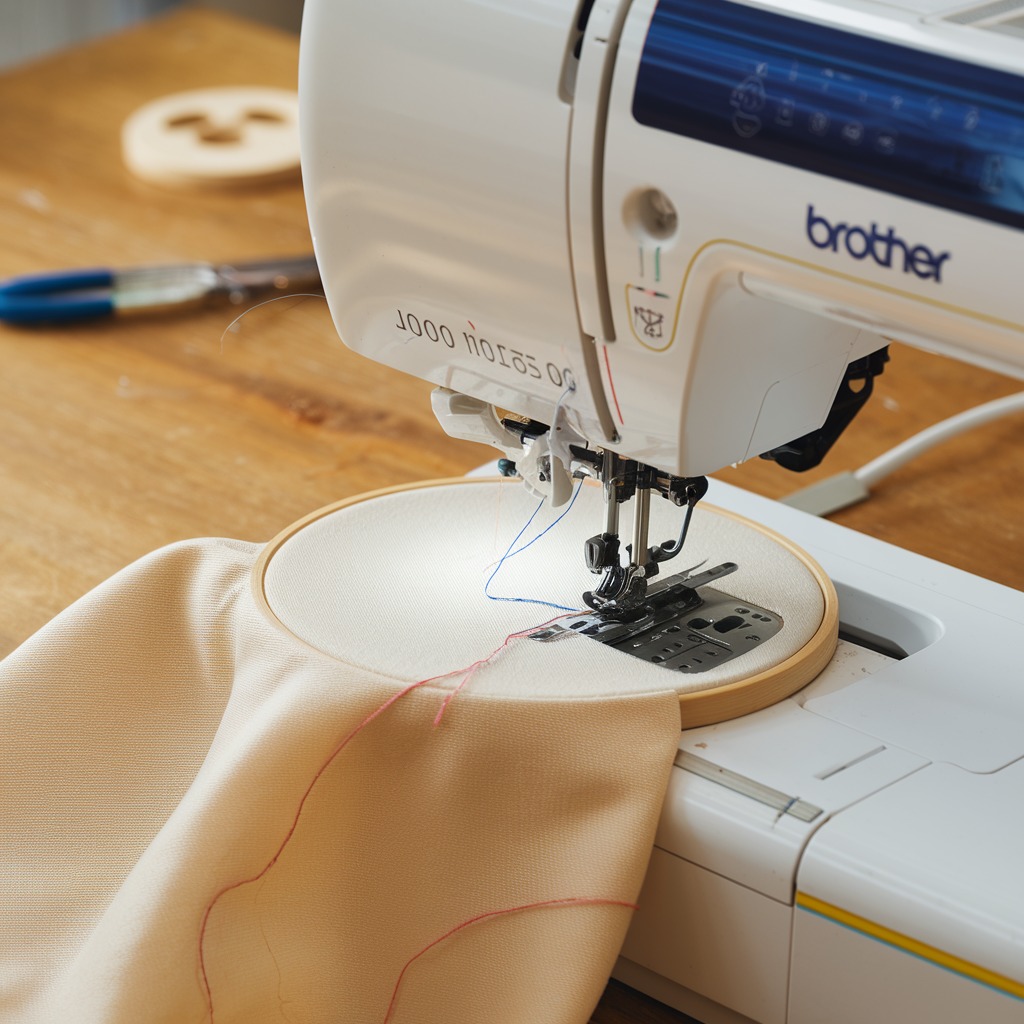
Quick answer: Design misalignment or shifting on a Brother embroidery machine is most often caused by improper hooping, incorrect stabilizer, or imbalanced thread tension. Begin by checking your hooping security, stabilizer type, and needle condition. Adjust machine speed for intricate designs and ensure all hoop screws are tight.
Design misalignment or shifting during embroidery can lead to distorted results. This guide provides practical steps to diagnose and resolve common causes of this issue on your Brother embroidery machine, ensuring your designs stitch accurately.
Two-minute checks before you open anything
- Is the fabric taut but not stretched in the hoop?
- Is the correct stabilizer used for the fabric and design density?
- Are the hoop screws fully tightened?
- Is the needle straight, sharp, and the correct type for the fabric?
- Is the machine speed appropriate for the design complexity?
- Is the thread tension balanced?
1. Improper Hooping or Loose Hoop high likelihood
How to tell
The fabric appears loose, wrinkled, or shifts easily within the hoop when gently pressed. The hoop may feel loose on the machine's carriage, or the fabric may slip out of the hoop during stitching.
Fix
- Remove the hoop from the machine.
- Loosen the hoop's outer ring screw slightly.
- Place the fabric over the inner ring, ensuring it is flat and centered.
- Place the outer ring over the fabric and inner ring, pressing down firmly.
- Tighten the hoop screw until the fabric is taut like a drum, but not stretched or distorted. Ensure no slack or wrinkles are present.
- For multi-hoop designs, ensure alignment marks are used on the fabric and aligned with the hoop's center marks.
- Verify the hoop is securely seated in the machine's embroidery unit carriage.
Ensure you are using the correct size hoop for your design and machine model.
Parts involved: Hoops & frames → Threads & supplies →
2. Incorrect Stabilizer Choice high likelihood
How to tell
The fabric puckers, shifts, or distorts during embroidery, especially with dense designs or delicate fabrics. Stitches may not lay flat, or the fabric may pull away from the hoop.
Fix
- Identify the fabric type (e.g., knit, woven, delicate, heavy).
- Determine the design density (light, medium, heavy stitch count).
- Select a stabilizer appropriate for both the fabric and design density. For lightweight fabrics, use a cut-away or tear-away with sufficient body. For heavy fabrics, a tear-away or wash-away might be suitable. For dense designs, a heavier cut-away or multiple layers may be required.
- Test the chosen stabilizer on a scrap piece of the same fabric with a sample of your design to observe stability and stitch quality before embroidering your project.
Parts involved: Threads & supplies →
Parts you may need for Brother
In stock, tested before dispatch, Buyer Protection on every order. Part types for this problem: Hoops & frames, Threads & supplies, Thread path & tension, Needles & needle bars.
 PET-121 40WT 120D/2 Polyester Embroidery Thread 4000M Spool, 80 Mad...$ 17.49View part →
 Flying Tiger DBx1 Industrial Lockstitch Needles, 100 pcs/box, Sizes...$ 10.99View part →
 PET-80 80 Madeira Colors Embroidery Thread Set - Premium 40WT Polye...$ 15.99View part →40 Weight 120D/2 Polyester Embroidery Thread 4000M PET-121 for Brot...$ 17.49View part →
 ORGAN HAX1 Household Sewing Machine Needles for SINGER & BROTHER, S...$ 6.29View part →
 New Brothread 63-Color Polyester Embroidery Thread Kit 500M/550Y Ea...$ 72.99View part →
All Brother parts → Hoops & Frames → Threads & Supplies → Thread Path & Tension →
3. Improper Thread Tension medium likelihood
How to tell
The fabric puckers or pulls, especially around dense areas of the design. Bobbin thread may be visible on the top side, or top thread may be visible on the underside. Stitches may appear loose or too tight, causing fabric distortion.
Fix
- Thread the machine completely, ensuring the thread is seated correctly in all guides and tension discs.
- Perform a tension test on a scrap piece of fabric similar to your project fabric. Embroider a simple satin stitch or zigzag pattern.
- Observe the stitch: the top thread should appear smooth on top, and about 1/3 of the bobbin thread should be visible on the underside, centered within the top thread. No top thread should show on the underside.
- Adjust the upper thread tension dial incrementally (usually in small steps like 0.5 or 1 unit) until the tension is balanced. Increase the number for tighter tension, decrease for looser tension.
- If upper tension adjustments do not resolve the issue, check the bobbin case tension. Refer to your machine's manual for specific instructions on adjusting bobbin tension, as this often involves a small screw on the bobbin case.
Parts involved: Thread path & tension → Threads & supplies →
4. Bent or Damaged Needle medium likelihood
How to tell
Skipped stitches, thread breaks, or a visible 'drag' on the fabric. The needle may appear visibly bent, dull, or have a burr on the tip. Misalignment may be inconsistent or appear suddenly.
Fix
- Turn off the machine power.
- Loosen the needle clamp screw using the provided screwdriver.
- Carefully remove the old needle.
- Inspect the needle for any signs of bending, dullness, or burrs. A bent needle will not sit straight when placed on a flat surface.
- Insert a new, correct type and size needle for your fabric (e.g., embroidery needle, ballpoint for knits). Ensure the flat side of the needle shank faces the rear of the machine.
- Push the needle up as far as it will go into the needle bar.
- Tighten the needle clamp screw securely.
- Perform a test stitch on scrap fabric to confirm proper function.
Parts involved: Needles & needle bars →
5. Machine Speed Too Fast low likelihood
How to tell
Fabric movement or shifting is more pronounced during high-speed stitching, especially with intricate designs or delicate fabrics. The machine may vibrate excessively.
Fix
- Access the speed control setting on your machine's control panel.
- Reduce the machine's embroidery speed, especially for designs with fine details, small lettering, or when working with delicate or slippery fabrics.
- For general embroidery, a moderate speed is often ideal. For very intricate work, use the lowest comfortable speed.
- Observe the fabric and stitch quality at the reduced speed to ensure stability.
6. Design Too Large for Hoop low likelihood
How to tell
The machine's needle or presser foot may hit the hoop frame, or the design extends beyond the hoop's stitching area. Fabric may shift significantly as the machine attempts to stitch near the hoop's edge.
Fix
- Verify the design dimensions against the maximum embroidery area of the hoop currently installed.
- If the design exceeds the hoop's capacity, either select a larger hoop compatible with your Brother machine or use embroidery software to split the design into smaller sections.
- If splitting the design, ensure precise alignment marks are used for re-hooping to maintain continuity.
Parts involved: Hoops & frames →
Stop and call a technician if
- If, after performing all troubleshooting steps, the design continues to misalign or shift, especially if accompanied by unusual noises, error codes, or mechanical binding, a more in-depth inspection by a qualified technician may be required.
- Issues with the embroidery unit's drive mechanism, carriage movement, or internal sensors could also contribute to persistent misalignment and require specialized tools for diagnosis and repair.
Prevent it coming back
- Always use the correct hoop size for your design and fabric.
- Ensure fabric is hooped tautly but not stretched, with hoop screws securely tightened.
- Select the appropriate stabilizer for your fabric type and design density.
- Regularly inspect and replace needles that are bent, dull, or damaged.
- Maintain balanced upper and bobbin thread tension.
- Use a moderate machine speed, especially for intricate designs or delicate fabrics.
- Mark fabric for precise alignment, particularly for multi-hoop projects.
Frequently asked questions
Why does my embroidery design shift even with tight hooping?
Even with tight hooping, design shifting can occur due to an incorrect stabilizer choice for your fabric and design density, imbalanced thread tension pulling the fabric, or a bent needle causing deflection. Always ensure your stabilizer is appropriate and your tension is balanced.
How do I know if my stabilizer is correct?
The correct stabilizer will prevent fabric puckering, stretching, or shifting during embroidery. Test your stabilizer on a scrap piece of your project fabric with a sample of your design. If the fabric remains stable and the stitches are smooth, your stabilizer is likely correct.
Can machine speed affect design alignment?
Yes, running the machine at excessively high speeds, especially with intricate designs or delicate fabrics, can cause the fabric to vibrate or shift within the hoop, leading to misalignment. Reducing the speed allows for more precise stitch placement.
What is the correct thread tension for embroidery?
Correct thread tension results in a balanced stitch where the top thread appears smooth on the fabric's surface, and approximately one-third of the bobbin thread is visible on the underside, centered within the top thread. No top thread should show on the underside, and no bobbin thread should show on the top.
Did this guide fix your machine?
Rate it - it helps other operators find the right fix.
Not sure which part is failing?
Need the logo stitched too?
Get your logo digitized by the people who know this machine
Upload the artwork, see the stitch count and the exact price in 10 seconds, then order with a free sew-out preview. $1 per 1,000 stitches, $10 minimum, 24-hour delivery. Vector conversion from $12.
After the fix
Fixed it? Keep the rest of the shop moving.
OS 360 is the shop software from the team behind this parts store. Every job keeps its status, deadline and owner while a Brother head is down, restock alerts fire for needles, hooks and bobbins before you run dry, and quotes, invoices and payment live in one place.
- Jobs with status, deadline and owner - nothing slips during downtime
- Inventory with restock alerts, this store one click away
- Instant quotes, invoices and one place to collect payment