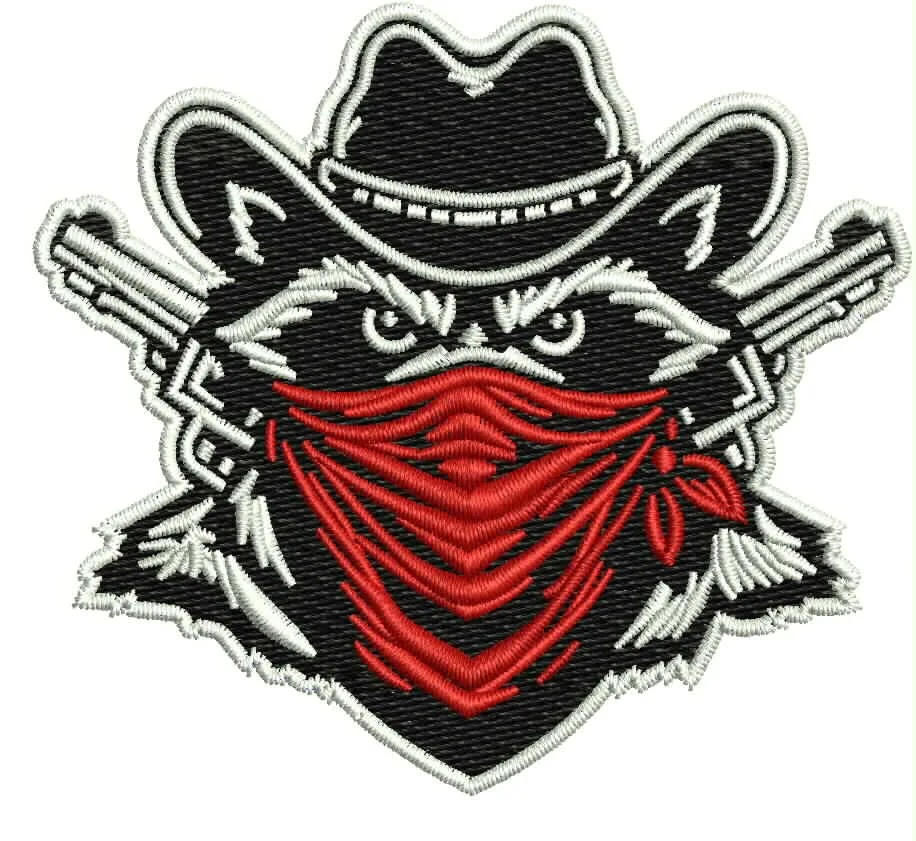
What is this case study? This page documents a real completed Digitizing order produced by 360 Digitizing Solutions for a Cap Front placement on Other. To protect client privacy, company and brand names have been anonymized. Browse specs, before/after images, and production notes below.
Mastering Cap-Front Embroidery Digitizing for Clean Retail Results
Discover how our expert team transformed complex customer artwork into a precise 17,113-stitch cap-front layout, guaranteeing zero puckering and maximum visual impact.
Customer Original Artwork

Final Digitized Proof
Order Specifications
Project Background
The primary challenge for our production team was managing stitch density across the narrow spacing of the layout without causing fabric distortion or thread breaks on commercial multi-head machines. Working closely with the client specifications, we mapped out a strategy to balance heavy visual coverage with structural integrity. Our objective was to prevent thread buildup in tight corners while keeping the visual identity of the original artwork sharp and easily recognizable from a distance.
Caps inherently move during the stitching process due to the tension of the holding frame and the curvature of the crown. Without proper pathing, small details can quickly blur together into a solid block of thread. By analyzing the structural requirements of the fabric, our specialists designed a workflow that minimized needle penetration resistance, protecting both the garments and the client’s commercial embroidery equipment from costly operational delays.
Ultimately, the decorator needed a production-ready file that could run at high speeds right out of the box. Our team took on the task of cleaning up stray nodes, optimizing jump stitches, and structuring color stops to reduce manual intervention on the shop floor. This careful upfront preparation laid the groundwork for an efficient run, saving valuable time during production setup.
Technical Production Process
We also applied customized underlay foundations, including edge-run and center-walk stitching, to tack down the fabric base securely before laying down the final top stitches. This prevents the threads from sinking into the material texture, ensuring crisp border definitions and solid color fill coverage.
Density adjustments were meticulously calculated for every individual section of the artwork. Denser areas were lightened up to prevent needle deflection, while lighter lines were reinforced to maintain a bold, consistent appearance. Every parameter was fine-tuned to ensure optimal machine performance.
Finally, connection points and trims were optimized to eliminate unnecessary travel stitches and reduce overall run time. The resulting file structure delivers smooth transitions between color changes, allowing the operator to run the job efficiently without unexpected thread snags.
- ✓ Center-out sewing sequence designed to eliminate cap puckering
- ✓ Customized underlay mapping for clean edge definition
- ✓ Optimized 17,113-stitch count for high-speed commercial production
Final Outcome
By delivering a meticulously tested file, we helped the apparel decorator maximize their daily output and eliminate frustrating machine downtime. This project stands as another great example of how precise digital preparation translates directly into superior physical results on the production floor.
If you are looking to improve your embroidery workflow and cut down on tedious machine adjustments, our professional digitizing team is ready to assist with your next order. Experience clean runs and reliable quality every single time.
Ready for Flawless Production?
We deliver production-ready files optimized for your exact machines and fabrics, reducing thread breaks and maximizing shop efficiency.
Frequently Asked Questions
How do you handle complex cap-front artwork digitizing? +
We carefully analyze the original design to adjust stitch angles, pull compensation, and underlay patterns, ensuring the embroidery lays flat and clean on structured or unstructured caps.
What is the typical turnaround time for professional embroidery digitizing services? +
Our standard orders are processed rapidly to ensure your production line stays on schedule with minimal downtime.
Disclaimer: All logos and designs are the property of their respective copyright/trademark owners. This case study is for the sole purpose of demonstrating 360 Digitizing Solutions’ technique and quality. We do not claim ownership of the original artwork, nor are these designs for sale.
Brand Representative? Request Portfolio Privacy/Removal (Corporate Email Required)