
What is this case study? This page documents a real completed Digitizing order produced by 360 Digitizing Solutions for a Other placement on Cotton. To protect client privacy, company and brand names have been anonymized. Browse specs, before/after images, and production notes below.
Mastering Large-Scale Bistro Embroidery on Cotton Fabric
Discover how our expert team transformed an intricate bistro design into a clean, production-ready file optimized for high-speed multi-needle machines.
Customer Original Artwork
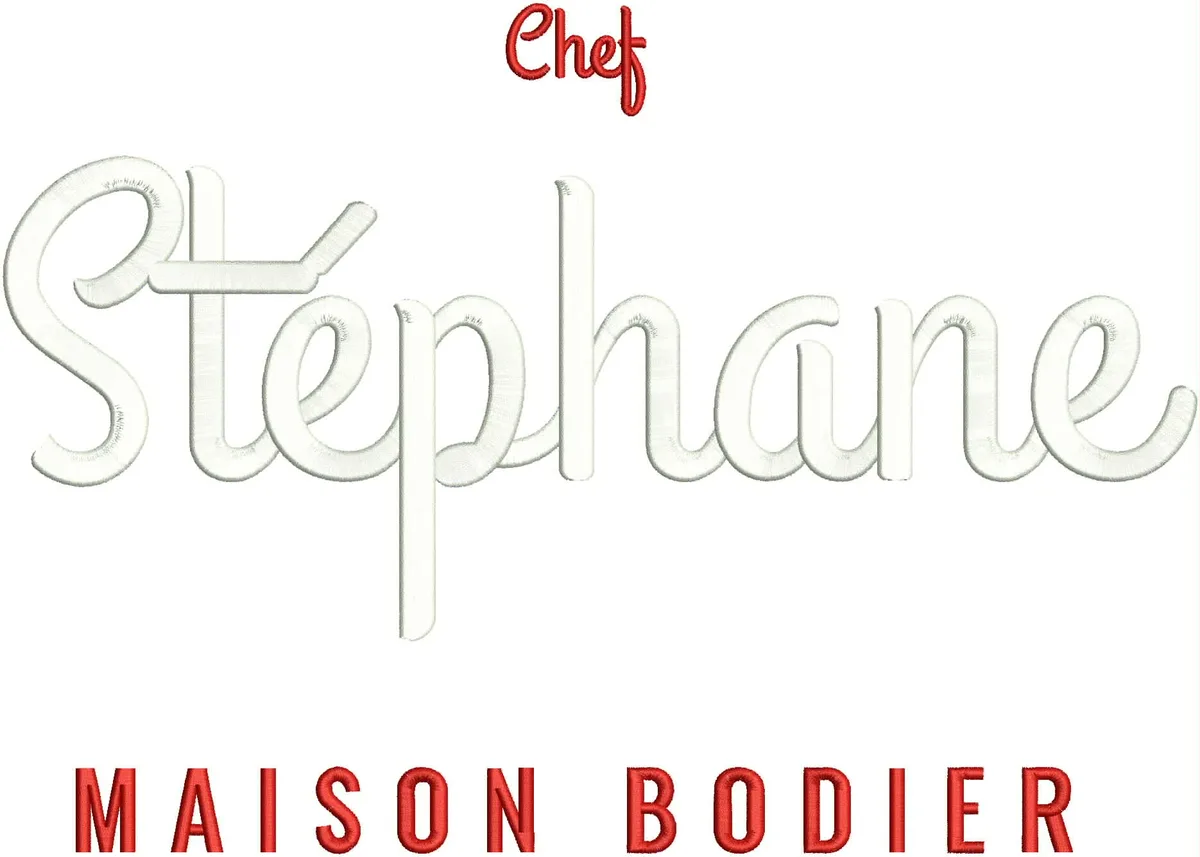
Final Digitized Proof
Order Specifications
Project Background
The primary challenge for our production team was managing the fabric behavior during long stitch runs. Cotton is a reliable and stable material, but covering a large surface area with over 28,000 stitches creates considerable pull compensation demands. Without proper planning, the fabric can easily bunch, pucker, or distort as the machine moves across the wide canvas. Our client needed a file that would stitch out flat, smooth, and entirely free of unwanted puckering on their commercial machines.
Furthermore, the intricate details within the bistro emblem required careful sectioning to prevent thread breaks and nesting. In large designs, managing jump stitches and trim commands efficiently is just as important as the visual density. We had to analyze every single curve, block letter, and decorative flourish in the original artwork to determine the most logical sewing sequence. This level of planning ensures that the machine runs at high speeds without frequent operator intervention.
Our experienced digitizers approached this order with a focus on structural integrity. We wanted to make sure that the finished embroidery retained the exact character of the client’s original artwork without looking overly dense or stiff. Balancing thread coverage with fabric flexibility on cotton requires an intimate understanding of push and pull mechanics, making this project a textbook example of professional technical planning.
Technical Production Process
Next, we carefully calibrated the stitch densities for both the solid red fills and the crisp white lettering. Over-saturation on cotton leads to stiffness and needle deflection, so we optimized the spacing to ensure soft hand-feel while maintaining complete coverage. Pull compensation values were systematically increased across the horizontal and vertical axes to counteract the natural tension of the fabric as the needle penetrated the material repeatedly.
We also optimized the travel routes between design elements to minimize unnecessary trims and eliminate visible thread trails. By sequencing the stitch blocks logically from the center outward, we evenly distributed the tension across the entire garment panel. Every parameter was fine-tuned to guarantee that the 28,109 stitches laid down smoothly, efficiently, and with flawless registration.
- ✓ Applied precise pull compensation to counteract cotton shifting across the 15-inch span.
- ✓ Programmed strategic underlay foundations to ensure smooth registration on woven fabric.
- ✓ Optimized stitch density for the 28,109 total stitch count to avoid fabric stiffness.
Final Outcome
By investing time in proper density planning and structural underlays, we ensured that this large-scale design maintained its shape and professional appearance wash after wash. The client successfully fulfilled their customer order on time, praising the clean execution and reliability of the digitized file.
Ready for Flawless Production?
We deliver production-ready files optimized for your exact machines and fabrics, reducing thread breaks and maximizing shop efficiency.
Frequently Asked Questions
What fabric was used for this embroidery project? +
This project was executed on durable cotton fabric, requiring careful stabilization and density adjustments to prevent puckering.
How many stitches were in the final design? +
The final digitized file contained exactly 28,109 stitches across a 15×12.8 inch canvas.
Disclaimer: All logos and designs are the property of their respective copyright/trademark owners. This case study is for the sole purpose of demonstrating 360 Digitizing Solutions’ technique and quality. We do not claim ownership of the original artwork, nor are these designs for sale.
Brand Representative? Request Portfolio Privacy/Removal (Corporate Email Required)