
What is this case study? This page documents a real completed Digitizing order produced by 360 Digitizing Solutions for a Digitizing placement on Cotton. To protect client privacy, company and brand names have been anonymized. Browse specs, before/after images, and production notes below.
Precision Embroidery Digitizing for Cotton Apparel
See how our expert team turned complex client artwork into a clean, production-ready stitch file optimized for smooth cotton garments.
Customer Original Artwork

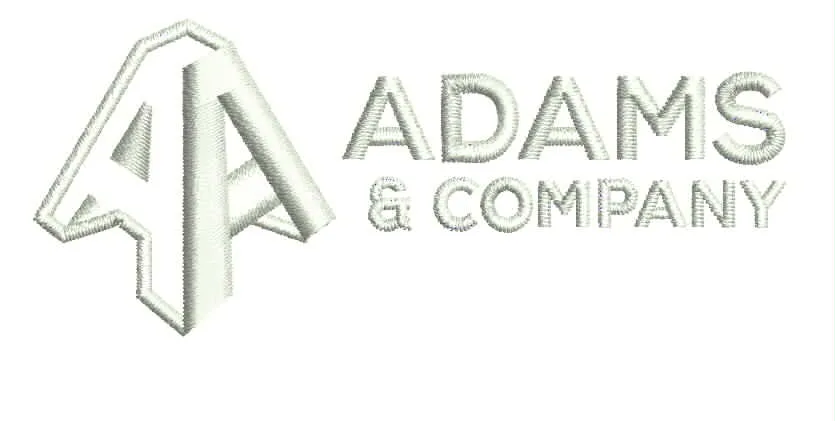
Final Digitized Proof
Order Specifications
Project Background
The original customer artwork featured sharp angles and intricate letterforms packed into a relatively small area measuring 1.5 by 2.5 inches. Translating fine graphic details into physical thread requires precise planning to prevent the stitches from crowding together. If not managed properly, tiny text and tight corners can easily bleed into a solid block of thread, ruining the legibility of the design.
Our team reviewed the source file to identify potential trouble spots, particularly where multiple color sections intersected. We knew that cotton fabrics respond well to embroidery when the underlying support is balanced properly. Our main objective was to preserve every nuance of the original graphic while engineering a file that would run cleanly on commercial multi-needle machines at high speeds.
By studying the exact dimensions and fabric weight, we established a clear blueprint for the project. The client required dependable production files that could be run in large batches without causing thread breaks, needle deflection, or bobbin thread showing through the top surface of the apparel items.
Ultimately, this project highlighted the importance of custom digitizing over automated conversion tools. Automated software often generates erratic jump stitches and excessive density, whereas a manual approach guarantees proper pull compensation and clean entry and exit points tailored specifically for cotton textiles.
Technical Production Process
Next, we carefully adjusted the stitch angles across the design elements to minimize push and pull effects. Cotton apparel can flex during embroidery, so altering the direction of travel helps counteract fabric movement. We also optimized the density settings to ensure full coverage over the cotton weave without creating heavy, stiff spots that could make the garment uncomfortable to wear.
Finally, we minimized unnecessary trims and tie-ins, mapping out a logical sewing sequence that reduces production time. Every color change and travel stitch was streamlined so the commercial machine could move smoothly from one element to the next without pausing or catching threads.
The resulting stitch count settled at an efficient 2,890 stitches, providing dense, vibrant coverage while keeping the production run fast and cost-effective for the decorator’s shop floor operations.
- ✓ Applied custom center-out underlay to stabilize cotton fabric and prevent shifting
- ✓ Optimized stitch angles and pull compensation for 1.5×2.5 inch layout
- ✓ Streamlined travel paths to eliminate birdnesting and excessive thread trims
Final Outcome
By focusing on proper density and targeted pull compensation, we delivered a file that looks professional and feels comfortable on retail-ready garments. This project stands as another clear example of how professional digitizing directly improves shop efficiency and final product quality.
Ready for Flawless Production?
We deliver production-ready files optimized for your exact machines and fabrics, reducing thread breaks and maximizing shop efficiency.
Frequently Asked Questions
What fabric was used for the Adams 3 digitizing project? +
The design was specifically optimized for high-quality cotton fabric, ensuring clean registration and minimal puckering.
How many stitches are in the final digitized proof? +
The final production-ready file contains precisely 2,890 stitches across a 1.5×2.5 inch layout.
Disclaimer: All logos and designs are the property of their respective copyright/trademark owners. This case study is for the sole purpose of demonstrating 360 Digitizing Solutions’ technique and quality. We do not claim ownership of the original artwork, nor are these designs for sale.
Brand Representative? Request Portfolio Privacy/Removal (Corporate Email Required)