What is this case study? This page documents a real completed Digitizing order produced by 360 Digitizing Solutions for a Center Chest placement on Cotton. To protect client privacy, company and brand names have been anonymized. Browse specs, before/after images, and production notes below.
Mastering Center-Chest Cotton Embroidery with Precision Digitizing
See how our expert technicians translated a complex client design into an optimized, production-ready 7574-stitch layout tailored specifically for cotton apparel.
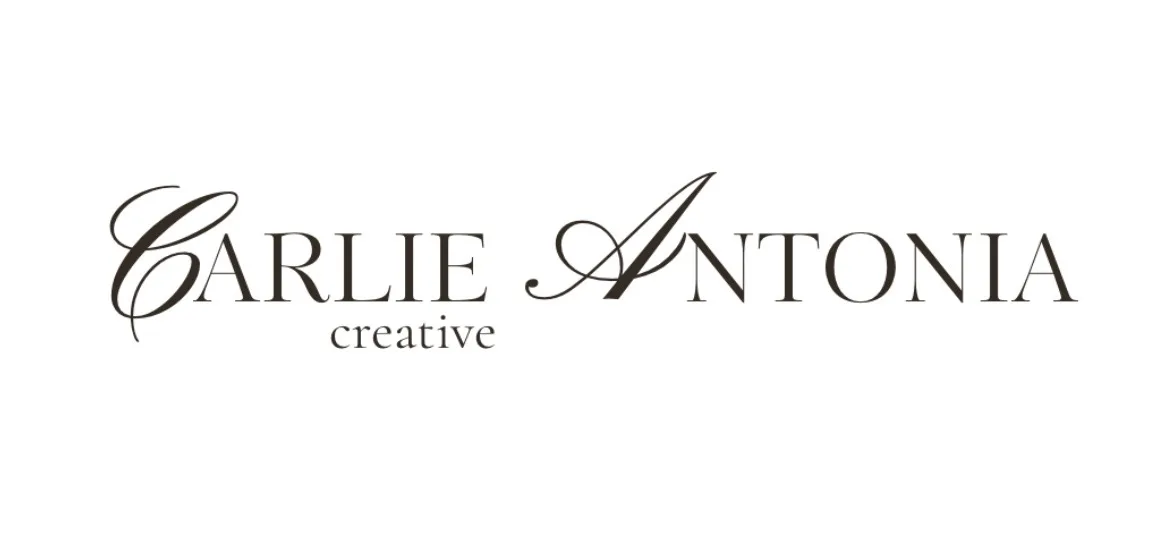
Customer Original Artwork
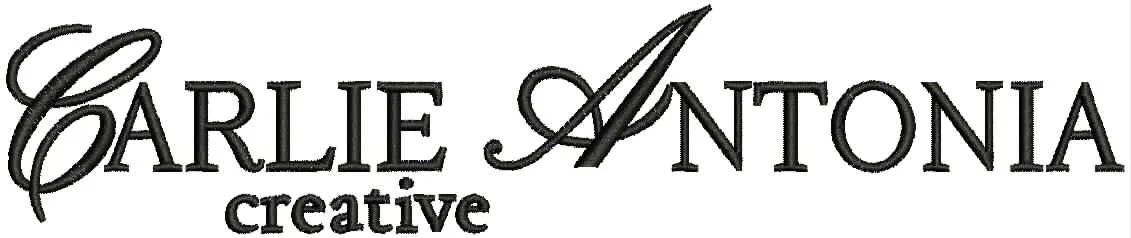
Final Digitized Proof
Order Specifications
Project Background
Cotton is a widely used material in the apparel industry, but it presents specific production challenges due to its natural stretch and tendency to shift under high needle counts. Our client needed the finished embroidery to look sharp, professional, and durable enough to withstand everyday wear and repeated commercial laundering cycles.
The artwork featured fine line details paired with solid fill areas, which required careful planning to maintain proper density balance. If the stitch density was set too high, the fabric would bunch up; if it was too low, the underlying cotton color would show through and weaken the overall visual impact of the brand logo.
To solve these obstacles, our digitizing specialists reviewed the geometry of the source file and mapped out a structured path. By analyzing the physical requirements of stitching a 9×3 inch layout on standard cotton, we established a clear roadmap to guarantee clean execution on the client’s multi-head embroidery machinery.
Technical Production Process
Next, we managed the pull compensation settings specifically for the 9×3 inch dimensions. Because cotton fibers pull inward as the needle penetrates repeatedly, expanding the column widths slightly in the software ensures the physical stitches land exactly where intended on the garment.
Finally, stitch angles were varied across adjacent shapes to prevent thread buildup and reduce the risk of needle deflection. This careful sequencing keeps the machine running at optimal speeds without frequent thread breaks, maximizing shop efficiency for the decorator.
The final stitch count settled precisely at 7574 stitches, which provided robust coverage while keeping the garment soft and flexible in the chest area. Every trim command and color change was optimized to minimize idle machine time and ensure smooth transitions.
- ✓ Applied tailored pull compensation to counteract cotton fabric stretch.
- ✓ Engineered stable underlay foundations for a flat, puckar-free center-chest result.
- ✓ Optimized stitch angles and path sequencing to eliminate unnecessary thread trims.
Final Outcome
By maintaining crisp outlines and even fill densities across the entire 9×3 inch layout, the finished center-chest decoration accurately represented the original artwork. The apparel decorator was able to ship the final goods to their end customer on schedule and with total confidence in the quality of the stitchwork.
Ready for Flawless Production?
We deliver production-ready files optimized for your exact machines and fabrics, reducing thread breaks and maximizing shop efficiency.
Frequently Asked Questions
What file formats are delivered for professional embroidery digitizing? +
We provide all industry-standard machine embroidery formats required for your specific production hardware, ensuring direct compatibility right out of the box.
How do you handle center-chest placements on cotton fabric? +
We use specialized pull compensation and targeted underlay stitching to counteract the natural stretch of cotton, keeping your design flat, crisp, and properly aligned.
What is the typical turnaround time for an order? +
Most digitizing orders are processed and delivered within a few hours, allowing you to move straight to production without costly delays.
Disclaimer: All logos and designs are the property of their respective copyright/trademark owners. This case study is for the sole purpose of demonstrating 360 Digitizing Solutions’ technique and quality. We do not claim ownership of the original artwork, nor are these designs for sale.
Brand Representative? Request Portfolio Privacy/Removal (Corporate Email Required)