
What is this case study? This page documents a real completed Digitizing order produced by 360 Digitizing Solutions for a Cap Front placement on Canvas. To protect client privacy, company and brand names have been anonymized. Browse specs, before/after images, and production notes below.
Mastering High-Density Canvas Cap Front Digitizing
A close look at how our professional embroidery digitizing services transformed a dense, intricate graphic into a clean, production-ready cap front layout.
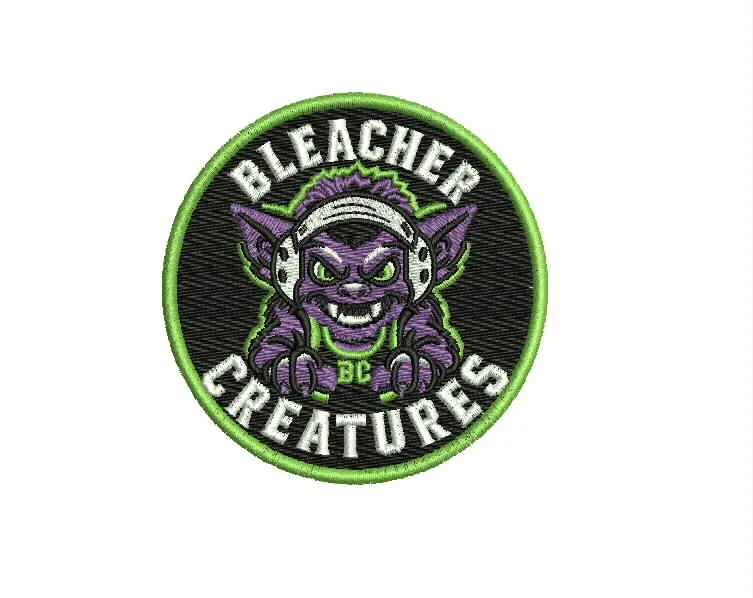
Final Digitized Proof
Order Specifications
Project Background
Working on structured cap fronts always adds another layer of complexity. The curvature of the hat frames combined with stiff canvas backing means that standard row settings often result in puckering or distorted outlines. Our client needed an experienced partner to figure out the exact stitch paths and density limits required for smooth machine operation.
The visual requested by the customer featured tight facial features and sharp borders. Fitting nearly 19,000 stitches into a small footprint required absolute precision. If the density was set too high, the fabric would ripple; if it was set too low, the canvas weave would show through underneath the threads. Finding the precise middle ground was critical for the success of this run.
Our digitizers started by analyzing the visual weight of every single element in the composition. We mapped out how the layers would interact once stitched on a standard commercial embroidery machine. By planning the layout from the center outward, we ensured that the final hat front would sit evenly on the embroidery frame without shifting.
This case highlights why commercial shops rely on professional embroidery digitizing services rather than automated conversion tools. Automated software simply cannot account for the physical push and pull forces exerted by thick canvas fabrics on structured hat panels. Human expertise is mandatory to deliver a crisp, retail-ready finish every time.
Technical Production Process
Next, we carefully adjusted stitch angles across adjacent sections to minimize the buildup of physical thickness. When working with 18,598 stitches in a 2.75-inch area, overlapping fills can quickly create hard bulletproof spots that break needles. We utilized staggered satin runs and controlled fill parameters to keep the embroidery soft and flexible.
Pull compensation values were increased slightly to counteract the natural shrinkage of canvas fabric as the thread tightens. We also optimized the trim and tie-off points to keep run times efficient and eliminate unnecessary jump threads on the cap front, saving the operator valuable handling time during production.
Every color transition was mapped logically to reduce travel stitches across visible areas. By sequencing the outlines to stitch down only after the major fill blocks were anchored, we secured clean boundaries and crisp, well-defined outer edges that match the original visual requirements perfectly.
- ✓ Applied robust center-walk and edge-walk underlays to stabilize heavy canvas
- ✓ Calibrated precise pull compensation to counteract fabric shrinkage
- ✓ Sequenced 18,598 stitches cleanly for optimal high-speed cap frame performance
Final Outcome
This project underscores the value of professional file preparation in commercial apparel decoration. By taking the time to manually plan stitch directions and density distribution, we helped our client deliver a top-tier retail product to their end customer on schedule.
We take pride in turning difficult graphics into reliable embroidery files that run smoothly on any commercial equipment. Whether you are stitching on canvas caps, heavy jackets, or delicate polos, our experienced team ensures your production floor runs profitably and without headaches.
Ready for Flawless Production?
We deliver production-ready files optimized for your exact machines and fabrics, reducing thread breaks and maximizing shop efficiency.
Frequently Asked Questions
What fabric was used for this cap front embroidery project? +
This project was executed on heavy-duty canvas fabric, requiring specialized underlay and density planning to prevent puckering and needle deflection.
How many stitches were in the final digitized file? +
The finalized design consists of exactly 18,598 stitches packed into a compact 2.75×2.75 inch boundary.
Are your files optimized for cap-front sewing? +
Yes, every file is custom-tailored for the requested placement, ensuring correct push-pull compensation and clean runs on structured and unstructured caps.
Disclaimer: All logos and designs are the property of their respective copyright/trademark owners. This case study is for the sole purpose of demonstrating 360 Digitizing Solutions’ technique and quality. We do not claim ownership of the original artwork, nor are these designs for sale.
Brand Representative? Request Portfolio Privacy/Removal (Corporate Email Required)