What is this case study? This page documents a real completed Digitizing order produced by 360 Digitizing Solutions for a Cap Front placement on Cotton. To protect client privacy, company and brand names have been anonymized. Browse specs, before/after images, and production notes below.
Expert Cap-Front Embroidery Digitizing for Cotton Fabric
Discover how our expert team converted a detailed customer concept into a clean, highly efficient embroidery file optimized specifically for structured cap fronts.
Customer Original Artwork
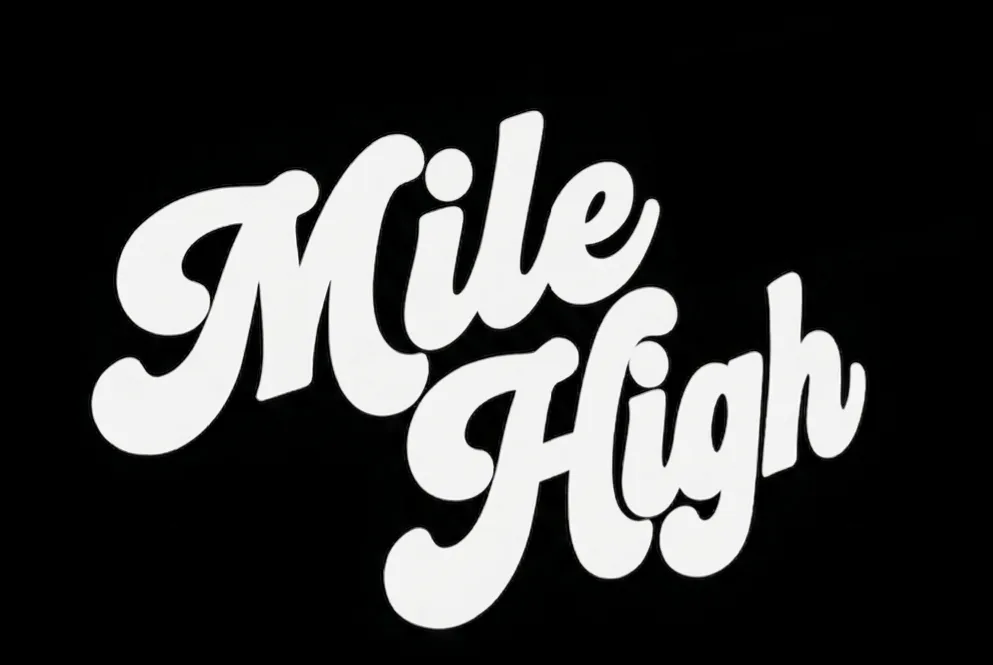
Final Digitized Proof

Order Specifications
Project Background
The client required the finished embroidery to sit cleanly on the front panels without puckering the cotton material or distorting the lettering. Working within a compact width of 3.5 inches and a height of 1.80 inches meant every single millimeter mattered. Our primary goal was to preserve the sharpness of the original vector lines while maintaining a manageable stitch count that would run smoothly at high machine speeds.
Cotton fabric provides a stable base for embroidery, but cap frames introduce unique movement challenges. Unlike flat garments pinned to hoops, caps are clamped tightly, which can cause registration issues if the push and pull compensation is not calibrated properly. Our digitization specialists reviewed the artwork to map out a strategy that would compensate for the curvature of the cap.
We communicated directly with the client to confirm sizing constraints and color boundaries before processing the order. By analyzing the artwork dimensions early in the workflow, our team avoided potential scaling errors and ensured the final file would fit comfortably within standard commercial cap frame limits without hitting the brim.
Technical Production Process
Density adjustments were made across the letter elements to prevent thread buildup and hard spots, which can cause needle breakage on multi-head commercial machines. Pull compensation was strategically increased along the horizontal axis to counteract the natural tension of the cap frame clamping mechanism.
Finally, trim commands and tie-ins were optimized to reduce unnecessary jump stitches and keep the underside of the cap clean. The resulting file achieved a balanced count of 4,091 stitches, providing full coverage without over-saturating the cotton fabric.
Every color block was sequenced logically to minimize color changes, allowing the machine operator to run production efficiently with minimal manual intervention. The pathing order prevents the needles from piercing previously stitched areas redundantly.
- ✓ Applied center-out sewing path to stabilize the cap front seam
- ✓ Calibrated pull compensation for structured cotton fabric tension
- ✓ Optimized stitch density to eliminate thread breaks and birdnesting
Final Outcome
By focusing on solid technical foundations rather than unnecessary complexity, our team delivered a reliable file that saved the decorator both time and material costs. This project stands as another example of how precise digital craftsmanship translates directly into superior physical results on retail-ready apparel.
We maintain rigorous quality control checks for every file we process, ensuring that shops of all sizes can rely on consistent, clean output. Whether you are running single items or large batch orders, our custom digitizing services help keep your production line moving smoothly.
Ready for Flawless Production?
We deliver production-ready files optimized for your exact machines and fabrics, reducing thread breaks and maximizing shop efficiency.
Frequently Asked Questions
What is the typical turnaround time for professional embroidery digitizing services? +
Most digitizing orders are completed and delivered within 12 to 24 hours, depending on design complexity.
Can this design be used on different fabrics like polyester? +
Yes, our technicians can adapt the density and pull compensation parameters to suit various fabric types.
Disclaimer: All logos and designs are the property of their respective copyright/trademark owners. This case study is for the sole purpose of demonstrating 360 Digitizing Solutions’ technique and quality. We do not claim ownership of the original artwork, nor are these designs for sale.
Brand Representative? Request Portfolio Privacy/Removal (Corporate Email Required)