
Blog
Dahao A98 Series Embroidery Machine Maintenance Guide


Quick answer: Regular maintenance, including daily cleaning, lubrication, and timely replacement of wear parts like needles, rotary hooks, and trimmer blades, is essential for the longevity and optimal performance of your Dahao A98 series embroidery machine.
The Dahao A98 series embroidery machine is a workhorse, but like any precision equipment, it requires consistent care to maintain peak performance and extend its lifespan. This guide provides a realistic maintenance schedule and identifies common wear parts, helping you keep your machine running smoothly and minimize downtime. Regular maintenance not only prevents costly repairs but also ensures consistent stitch quality and efficient operation.
Two-minute checks before you open anything
- Check for any loose threads or lint buildup around the needle plate, rotary hook, and thread path.
- Verify that all needles are straight, sharp, and correctly inserted.
- Listen for any unusual noises during operation.
- Ensure all tension knobs are set correctly and thread flows freely.
- Check bobbin thread level and ensure it's winding smoothly.
- Confirm that the presser foot is moving freely and engaging properly.
1. Needles high likelihood
How to tell
Skipped stitches, thread breaks, burrs on the needle eye, bent or dull points. Visual inspection will show wear or damage.
Fix
- Inspect needles for straightness, burrs, and sharpness before each use and after any thread break or collision.
- Replace needles immediately if any damage is found.
- Ensure the correct needle type and size are used for the fabric and thread.
- Always insert needles correctly, with the scarf facing the rotary hook.
Parts involved: Needles & needle bars →
2. Rotary Hook and Bobbin Case high likelihood
How to tell
Frequent thread breaks (especially bobbin thread), loose stitches, looping on the underside, noise from the hook area. Inspect for nicks, burrs, or excessive play.
Fix
- Remove the bobbin case and rotary hook for daily cleaning of lint and debris.
- Inspect the hook point and bobbin case for any nicks or burrs that could snag thread. Use a fine emery cloth to gently smooth minor imperfections.
- Check for excessive play in the hook assembly. If worn, replace the rotary hook.
- Ensure the bobbin case tension spring is clean and provides consistent tension. Replace if damaged or weak.
Parts involved: Rotary hooks & bobbin cases →
Parts you may need for Dahao
In stock, tested before dispatch, Buyer Protection on every order. Part types for this problem: Rotary hooks & bobbin cases, Needles & needle bars, Thread path & tension, Presser feet & sewing parts.
 DAHAO EF176 EF117 EF1219 Alarm Plate & Bottom Line Detection Board ...$ 19.49View part →
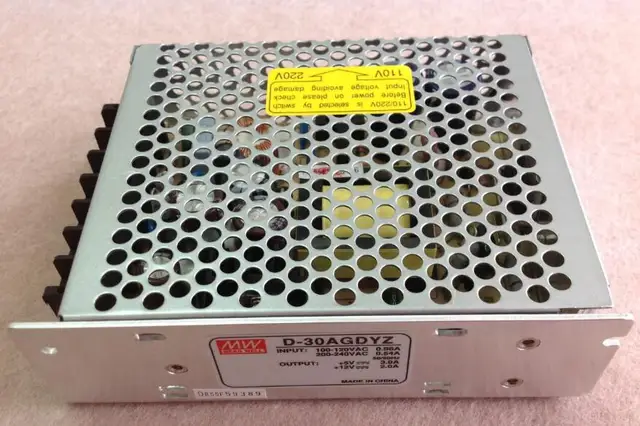 Dahao D-30AGDYZ Switch Power Supply for Computerized Embroidery Mac...$ 50.49View part →
 D-30AGD Switching Power Supply 5V-4A / 12V-1A for China Dahao Embro...$ 28.49View part →
 Dahao EF164D Frame Limit Sensor with Cable (2 Pcs) for Feiya, ZGM, ...$ 34.99View part →
 Dahao EF120 Alarm Circuit Board for Chinese Embroidery Machines$ 42.49View part →
 DAHAO MD02 Frame Driver Board for MD202 MD201 Chinese Embroidery Ma...$ 220.49View part →
All Dahao parts → Rotary Hooks & Bobbin Cases → Needles & Needle Bars → Thread Path & Tension →
3. Trimmer Blades (Moving and Fixed Knives) medium likelihood
How to tell
Inconsistent thread trims, partial trims, thread tails left after trimming, or excessive noise during trimming. Visual inspection will show dull or chipped edges.
Fix
- Regularly inspect both the moving and fixed trimmer blades for sharpness and damage.
- Clean lint and debris from around the trimmer mechanism.
- If blades are dull or chipped, replace both the moving and fixed knives as a set for optimal performance.
- Ensure proper alignment and gap between the blades according to the machine's manual.
Parts involved: Cutters & trimmers →
4. Thread Tension Discs and Springs medium likelihood
How to tell
Inconsistent thread tension, looping, thread breaks, or poor stitch quality. Discs may show grooves or wear, springs may be weak or bent.
Fix
- Clean lint and debris from between the tension discs regularly.
- Inspect tension discs for grooves or nicks caused by thread wear. Replace if significantly worn.
- Check tension springs for proper function and ensure they are not bent or weakened. Replace if necessary.
- Ensure all thread guides are smooth and free of burrs.
Parts involved: Thread path & tension →
5. Drive Belts (X/Y Axis, Main Shaft) medium likelihood
How to tell
Skipped stitches, misaligned designs, unusual noises (squealing, grinding), or visible cracks, fraying, or stretching on the belts. Machine may not move smoothly.
Fix
- Periodically inspect all drive belts for signs of wear, cracking, fraying, or stretching.
- Check belt tension; they should be taut but not overly tight. Refer to your machine's manual for specific tensioning instructions.
- If belts show significant wear or damage, replace them. Replace X and Y axis belts as a pair for consistent movement.
- Ensure pulleys are clean and free of debris.
Parts involved: Belts, pulleys & gears →
6. Needle Bar Bushings and Bearings medium likelihood
How to tell
Excessive play or wobble in the needle bars, unusual noise from the head, poor stitch quality, or oil leakage around the needle bar area. Manual movement of the needle bar will reveal looseness.
Fix
- Regularly check for excessive play in the needle bars by gently wiggling them.
- Ensure proper lubrication of needle bar bushings as per your machine's manual.
- If significant play is detected, the needle bar bushings or bearings may need replacement. This often requires specialized tools and expertise.
- Keep the needle bar area clean and free of lint buildup.
Parts involved: Shafts, bearings & bushings → Needles & needle bars → Head & mechanical parts →
7. Presser Foot Solenoid low likelihood
How to tell
Presser foot not lifting or lowering correctly, getting stuck, or making unusual clicking noises. The presser foot may not engage the fabric properly, leading to poor stitch quality.
Fix
- Check the presser foot mechanism for any obstructions or lint buildup.
- Verify electrical connections to the solenoid are secure.
- If the solenoid is not actuating, or is weak, it may need to be replaced. This is typically a job for a qualified technician.
- Ensure the presser foot spring is intact and providing proper tension.
Parts involved: Solenoids & magnets → Presser feet & sewing parts →
Maintenance schedule
| When | What to do | Why |
|---|---|---|
| Daily (or every 8-10 hours of operation) | Clean the rotary hook and bobbin case area. | Removes lint and debris that cause thread breaks and poor stitch quality. |
| Daily (or every 8-10 hours of operation) | Clean the thread path (tension discs, thread guides, take-up lever). | Ensures smooth thread flow and consistent tension. |
| Daily (or every 8-10 hours of operation) | Lubricate the rotary hook. | Reduces friction and wear, preventing damage and noise. |
| Weekly (or every 40-50 hours of operation) | Inspect and clean trimmer blades. | Ensures clean cuts and prevents thread jams. |
| Weekly (or every 40-50 hours of operation) | Lubricate needle bars and other designated oiling points on the head. | Reduces wear on moving parts and ensures smooth operation. |
| Weekly (or every 40-50 hours of operation) | Check and clean the area around the presser foot and needle plate. | Prevents lint buildup that can interfere with stitching. |
| Monthly (or every 160-200 hours of operation) | Inspect drive belts (X/Y axis, main shaft) for wear and tension. | Prevents skipped stitches, misalignment, and extends belt life. |
| Monthly (or every 160-200 hours of operation) | Clean and inspect sensors and switches (e.g., thread break sensors, limit switches). | Ensures accurate machine operation and prevents false errors. |
| Monthly (or every 160-200 hours of operation) | Check for loose screws and connections throughout the machine. | Prevents vibration-induced damage and ensures stability. |
| Quarterly (or every 500 hours of operation) | Thoroughly clean under the needle plate and around the feed dog mechanism. | Removes stubborn lint and debris that can affect fabric movement. |
| Annually (or every 2000 hours of operation) | Professional inspection and service. | Identifies potential issues, performs complex adjustments, and replaces worn internal components. |
Stop and call a technician if
- If you encounter persistent error codes that cannot be resolved with basic troubleshooting.
- If you suspect a failure of a major electronic component like a circuit board (e.g., DAHAO EF122F Twelve Pin Alarm Card Circuit Board, Dahao EF165C Gold Leaf Signal Board, Dahao MD202G XY Pantograph Driver Board).
- For complex mechanical adjustments such as rotary hook timing, needle bar timing, or major head assembly repairs.
- If you hear unusual grinding or knocking noises that indicate internal mechanical damage.
- If the machine experiences power issues or intermittent electrical failures.
Prevent it coming back
- Always use high-quality threads and needles appropriate for your project.
- Keep your work area clean and free of dust and lint, which can easily enter machine components.
- Avoid forcing the machine to sew through overly thick or unsuitable materials.
- Ensure proper thread tension settings to reduce stress on needles and thread path components.
- Never leave the machine unattended while operating, especially during trimming cycles.
- Follow manufacturer guidelines for environmental conditions (temperature, humidity) to prevent damage to electronics and mechanical parts.
Frequently asked questions
How often should I clean my Dahao A98 machine?
You should perform a basic cleaning of the rotary hook, bobbin case area, and thread path daily or after every 8-10 hours of operation. More thorough cleaning and lubrication should be done weekly or monthly, depending on usage.
What kind of oil should I use for my Dahao A98?
Always use high-quality, clear, non-staining sewing machine oil specifically designed for industrial embroidery machines. Refer to your Dahao A98 machine's manual for the exact specifications and lubrication points.
Why is my machine skipping stitches after maintenance?
Skipped stitches after maintenance can be due to several factors: incorrect needle insertion, a dull or bent needle, improper rotary hook timing, incorrect bobbin tension, or lint buildup in the hook area. Recheck these common culprits first.
When should I replace my trimmer blades?
Trimmer blades should be replaced when you notice inconsistent thread cuts, partial trims, or excessive thread tails. It's often best to replace both the moving and fixed blades as a set for optimal performance.
Did this guide fix your machine?
Rate it - it helps other operators find the right fix.
Not sure which part is failing?
Need the logo stitched too?
Get your logo digitized by the people who know this machine
Upload the artwork, see the stitch count and the exact price in 10 seconds, then order with a free sew-out preview. $1 per 1,000 stitches, $10 minimum, 24-hour delivery. Vector conversion from $12.
After the fix
Fixed it? Keep the rest of the shop moving.
OS 360 is the shop software from the team behind this parts store. Every job keeps its status, deadline and owner while a Dahao head is down, restock alerts fire for needles, hooks and bobbins before you run dry, and quotes, invoices and payment live in one place.
- Jobs with status, deadline and owner - nothing slips during downtime
- Inventory with restock alerts, this store one click away
- Instant quotes, invoices and one place to collect payment