
Blog
Juki DDL-9000 Series: Common Problems & Fixes


Quick answer: Common Juki DDL-9000 series problems include skipped stitches (often due to needle issues or tension), thread breakage (check thread path, needle, and hook), and electronic errors (inspect wiring, sensors, or control boards). Always start with basic checks like rethreading and needle replacement.
The Juki DDL-9000 series is a workhorse in industrial sewing, known for its high speed and precision. However, like any complex machinery, operators may encounter common issues that can interrupt production. This guide provides practical troubleshooting steps and identifies common replacement parts to help you get your DDL-9000 back in action quickly. We focus on the most frequently reported problems, offering clear solutions you can implement right at the machine.
Two-minute checks before you open anything
- Is the machine properly threaded (upper and bobbin)?
- Is the needle new, correctly inserted, and the right type/size for your material?
- Are the upper and bobbin tensions set correctly?
- Is the bobbin wound evenly and inserted correctly?
- Is the machine clean, especially around the needle plate, feed dogs, and rotary hook?
- Is there enough oil in the reservoir (for automatic lubrication systems)?
1. Skipped Stitches or Poor Stitch Quality high likelihood
How to tell
Stitches are missing, irregular, or form loops on the fabric surface. Stitch length may be inconsistent, or the seam appears weak.
Fix
- Replace the needle with a new, correct type and size for your fabric and thread. Ensure it's inserted correctly and fully seated.
- Re-thread the machine completely, ensuring the thread is properly seated in all guides and tension discs.
- Check upper and lower thread tension. Adjust the upper tension dial incrementally. For bobbin tension, make small adjustments to the bobbin case screw.
- Inspect the needle plate and feed dogs for burrs or damage that could snag fabric or thread. Smooth any burrs with fine-grit sandpaper or replace damaged parts.
- Clean the rotary hook area of lint and debris. Check the hook point for damage. If damaged or worn, it may need replacement or timing adjustment.
Consider replacing needles with: Groz-Beckert 134 DPX5 135X5 Industrial Sewing Needles 100-Pack for Juki DDL, Brother DB2, Singer 251 or Groz-Beckert DBX1 16×257 DB*1 Industrial Sewing Needles for JUKI DDL-5550 DDL-8700 Brother Singer (10 PCS). A worn rotary hook may require a Hirose HSH-7.94BTR Rotary Hook for JUKI DDL-5550, DDL-8700, Brother DB2-B755, Jack JK-5550 (verify compatibility for your specific DDL-9000 sub-model).
Parts involved: Needles & needle bars → Thread path & tension → Rotary hooks & bobbin cases → Presser feet & sewing parts →
2. Thread Breakage (Upper or Bobbin) high likelihood
How to tell
The thread repeatedly snaps during sewing, either the top thread or the bobbin thread. This often leads to incomplete seams or machine stoppage.
Fix
- Replace the needle. A bent, dull, or incorrect needle is a common cause of thread breakage.
- Check the entire thread path for any burrs, rough spots, or obstructions on thread guides, tension discs, or the take-up lever. Smooth or clean as needed.
- Ensure the thread is correctly wound on the bobbin, not too full or unevenly wound. Check for nicks on the bobbin case.
- Adjust thread tension. Too much tension can cause thread to snap. Reduce tension incrementally.
- Inspect the rotary hook for burrs or sharp edges that could fray or cut the thread. Clean thoroughly. If damaged, replacement may be necessary.
- Verify the thread is appropriate for the needle size and fabric type. Using too thick a thread for a small needle eye can cause breakage.
Fresh needles like Groz-Beckert 134 DPX5 135X5 Industrial Sewing Needles or Groz-Beckert DBX1 16×257 DB*1 Industrial Sewing Needles are often the first step. A damaged Hirose HSH-7.94BTR Rotary Hook can also be a culprit.
Parts involved: Needles & needle bars → Thread path & tension → Rotary hooks & bobbin cases → Presser feet & sewing parts →
Parts you may need for Juki DDL-9000
In stock, tested before dispatch, Buyer Protection on every order. Part types for this problem: Needles & needle bars, Thread path & tension, Rotary hooks & bobbin cases, Presser feet & sewing parts.
 Groz-Beckert 134 DPX5 135X5 Industrial Sewing Needles 100-Pack for ...$ 39.29View part →
 Groz-Beckert DBX1 16x257 DB*1 Industrial Sewing Needles for JUKI DD...$ 10.49View part →
 JUKI SC-920 Control Box PCB Assembly 400-87119 400-85908 DDL-8700 D...$ 76.49View part →
 JUKI 400-89241 DDL-9000B SC-920 Control Box Power PCB Board for DDL...$ 87.99View part →
 Hirose HSH-7.94BTR Rotary Hook for JUKI DDL-5550, DDL-8700, Brother...$ 55.49View part →
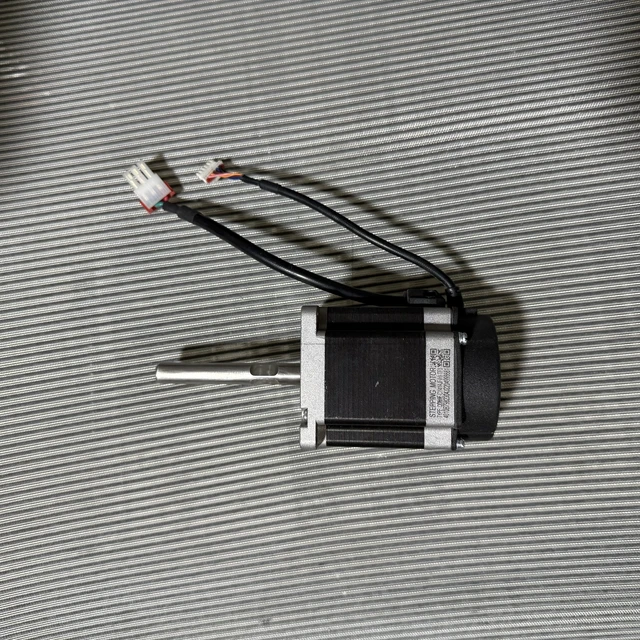 Jack A4B 220V Mainboard Stepper Motor Controller for Jack A2 A3, GC...$ 125.29View part →
All Juki DDL-9000 parts → Needles & Needle Bars → Thread Path & Tension → Rotary Hooks & Bobbin Cases →
3. Needle Breakage medium likelihood
How to tell
The needle snaps during sewing, often with a loud crack. This can damage the needle plate or rotary hook.
Fix
- Ensure the correct needle system (e.g., DPx5) and size are used for the machine and fabric. Insert the needle fully and correctly.
- Check for proper needle bar height and timing. If the needle hits the hook or needle plate, timing may be off (requires a technician).
- Verify the presser foot is appropriate for the fabric and is not loose or misaligned, which could cause the fabric to shift and bend the needle.
- Ensure the fabric is not being pulled or pushed excessively while sewing, which can deflect the needle.
- Inspect the needle plate hole for damage or enlargement. A worn hole can cause the needle to strike the plate.
Always use high-quality needles like Groz-Beckert 134 DPX5 135X5 Industrial Sewing Needles. If the rotary hook is damaged from a needle strike, a replacement like the Hirose HSH-7.94BTR Rotary Hook might be needed.
Parts involved: Needles & needle bars → Presser feet & sewing parts → Rotary hooks & bobbin cases → Head & mechanical parts →
4. Machine Not Sewing / Jammed medium likelihood
How to tell
The machine stops abruptly, the handwheel is difficult to turn, or the motor runs but the needle bar doesn't move. May be accompanied by unusual noises.
Fix
- Turn off the machine immediately. Remove the needle plate and clear any tangled thread (thread nest) from the bobbin area and feed dogs.
- Check for any fabric scraps or foreign objects jammed in the hook area or under the needle plate.
- Inspect the rotary hook for severe thread jams or damage. Carefully remove any obstructions.
- If the machine is still seized, check for issues with the handwheel clutch (if applicable) or internal mechanical binding. Do not force the handwheel.
- Ensure the machine is properly lubricated according to the manufacturer's guidelines. Lack of oil can cause parts to seize.
A severely jammed rotary hook might require replacement, such as the Hirose HSH-7.94BTR Rotary Hook.
Parts involved: Rotary hooks & bobbin cases → Lubrication & maintenance → Head & mechanical parts →
5. Electronic Errors / Machine Not Responding low likelihood
How to tell
The machine displays error codes on the control panel, fails to power on, or specific functions (like thread trimming or foot lift) do not work. The motor may not run or run erratically.
Fix
- Turn off the machine and unplug it. Wait 30 seconds, then plug it back in and restart. This can reset minor electronic glitches.
- Check all visible cable connections, especially to the control box, motor, and foot pedal, ensuring they are secure and undamaged.
- Consult your machine's manual for the specific error code displayed. This will guide you to the problematic component (e.g., sensor, motor, PCB).
- Inspect sensors (e.g., thread break sensor, foot lift sensor) for obstructions or damage. Clean them gently.
- If the issue persists and points to a control board, replacement may be necessary. This often requires a qualified technician.
Potential replacement parts include: JUKI SC-920 Control Box PCB Assembly 400-87119 400-85908 DDL-8700 DDL-9000 DLN-9010 MO-6700 MO-6900 or JUKI 400-89241 DDL-9000B SC-920 Control Box Power PCB Board for DDL-9000A, DDL-9000S. For motor control issues, a Jack A4B 220V Mainboard Stepper Motor Controller for Jack A2 A3, GC6760, Juki DDL-8700, Brother DB2-B755 might be relevant if your DDL-9000 uses a compatible system.
Parts involved: Circuit boards & electronics → Sensors & switches → Cables & wiring → Motors & drivers → Control panels & displays →
Maintenance schedule
| When | What to do | Why |
|---|---|---|
| Daily | Clean lint from needle plate, feed dogs, and bobbin area. | Prevents thread jams, skipped stitches, and maintains stitch quality. |
| Daily | Check oil level (for automatic lubrication systems). | Ensures proper lubrication and prevents premature wear of moving parts. |
| Daily/Every 8 hours of use | Replace needle. | Prevents skipped stitches, thread breakage, and fabric damage. |
| Weekly | Clean entire thread path, including tension discs and thread guides. | Removes lint and debris that can affect thread tension and cause breakage. |
| Monthly/Every 200 hours | Inspect rotary hook for burrs or damage; clean thoroughly. | Ensures smooth thread handling and prevents thread breakage or poor stitch formation. |
| Quarterly/Every 500 hours | Check and clean oil filter (if applicable); replace oil if recommended by manual. | Maintains oil quality and ensures effective lubrication. |
| Annually/Every 2000 hours | Professional service and timing check. | Ensures optimal performance, prevents major breakdowns, and extends machine life. |
Stop and call a technician if
- If the machine displays persistent error codes that cannot be resolved with basic troubleshooting or manual consultation.
- If the machine is making grinding noises, seizing up, or has significant mechanical binding that you cannot identify or safely resolve.
- If you suspect issues with motor function, control board failure, or complex timing adjustments (e.g., needle bar height, hook timing).
- For any repairs involving internal electrical components beyond simple cable checks, especially if you are not comfortable or qualified to work with electronics.
Prevent it coming back
- Always use high-quality needles appropriate for your fabric and thread. Replace needles regularly (e.g., every 8 hours of continuous use or at the first sign of dullness/bending).
- Keep the machine clean. Regularly remove lint and thread scraps from the needle plate, feed dogs, and bobbin area. Use compressed air cautiously, ensuring debris is blown away, not further into the machine.
- Ensure proper lubrication. Check the oil level daily and change the oil and filter according to your machine's manual. Never run the machine without sufficient oil.
- Use good quality thread that is compatible with your machine and application. Poor quality thread can cause excessive lint and breakage.
- Perform routine checks on thread guides, tension discs, and the rotary hook for burrs or damage. Smooth any rough spots or replace worn components.
- Follow the manufacturer's recommended maintenance schedule for your specific DDL-9000 model.
Frequently asked questions
Why does my Juki DDL-9000 keep skipping stitches?
Skipped stitches are most commonly caused by a dull, bent, or incorrectly inserted needle. Other frequent culprits include incorrect thread tension, improper machine threading, or lint buildup in the bobbin area. Always start by replacing the needle and rethreading the machine.
What should I do if my Juki DDL-9000's thread keeps breaking?
First, replace your needle as it might be bent or dull. Then, carefully re-thread the machine, ensuring the thread passes through all guides and tension discs smoothly. Check the entire thread path, including the bobbin case and rotary hook, for any burrs or rough spots that could be snagging the thread. Adjust tension if it's too high.
My Juki DDL-9000 is showing an error code. What does it mean?
Error codes on Juki DDL-9000 series machines indicate specific issues. The first step is to consult your machine's operator's manual for a detailed explanation of the code and recommended troubleshooting steps. Often, a simple power cycle (turn off, unplug, wait 30 seconds, plug in, restart) can resolve temporary glitches. If the error persists, it might point to a sensor issue, wiring problem, or a fault in a control board.
How often should I oil my Juki DDL-9000?
The Juki DDL-9000 series typically features an automatic lubrication system. However, it's crucial to regularly check the oil level in the reservoir and ensure it's within the specified range. The oil filter should also be checked and cleaned or replaced periodically. Always refer to your specific machine's manual for exact oil type, checking intervals, and maintenance procedures.
Did this guide fix your machine?
Rate it - it helps other operators find the right fix.
Not sure which part is failing?
Need the logo stitched too?
Get your logo digitized by the people who know this machine
Upload the artwork, see the stitch count and the exact price in 10 seconds, then order with a free sew-out preview. $1 per 1,000 stitches, $10 minimum, 24-hour delivery. Vector conversion from $12.
After the fix
Fixed it? Keep the rest of the shop moving.
OS 360 is the shop software from the team behind this parts store. Every job keeps its status, deadline and owner while a DDL-9000 head is down, restock alerts fire for needles, hooks and bobbins before you run dry, and quotes, invoices and payment live in one place.
- Jobs with status, deadline and owner - nothing slips during downtime
- Inventory with restock alerts, this store one click away
- Instant quotes, invoices and one place to collect payment