
Blog
Melco EMT16 Series Embroidery Machine Maintenance Guide

Quick answer: Regular maintenance on your Melco EMT16 series machine involves daily cleaning and lubrication, weekly checks of thread paths and tension, and periodic inspection and replacement of wear parts like needles, rotary hooks, and trimmer blades to ensure optimal performance and longevity.
Maintaining your Melco EMT16 series embroidery machine is key to its performance, longevity, and the quality of your embroidery. Regular, proactive maintenance helps prevent costly breakdowns, ensures consistent stitch quality, and extends the life of your investment. This guide outlines essential maintenance tasks and identifies common wear parts you should monitor and replace.
Two-minute checks before you open anything
- Check needle condition (straightness, sharpness, burrs).
- Ensure bobbin is wound correctly and inserted properly.
- Verify thread paths are clear and free of lint.
- Check for any loose screws or components.
- Listen for any unusual noises during initial operation.
1. Needles high likelihood
How to tell
Skipped stitches, thread breaks, damaged fabric, dull or bent needle points, burrs on the needle eye. Needles are designed to wear out.
Fix
- Inspect needles before each shift for straightness, sharpness, and burrs.
- Replace needles immediately if any damage is found.
- Replace needles proactively after a certain number of production hours or projects, even if they appear fine, to prevent issues. Consult your machine manual for recommended intervals.
Parts involved: Needles & needle bars →
2. Rotary Hook and Bobbin Case high likelihood
How to tell
Noisy operation from the hook area, shredding bobbin thread, poor bobbin tension, skipped stitches, thread jams in the hook, burrs or nicks on the hook point or race. Bobbin cases may show wear on the tension spring or have nicks.
Fix
- Remove the bobbin case and bobbin. Inspect the bobbin case for nicks, burrs, or damage to the tension spring.
- Remove the rotary hook. Carefully inspect the hook point for sharpness and any nicks or burrs.
- Check the hook race for lint buildup or scoring.
- Clean the hook area thoroughly with compressed air and a small brush.
- If damage is present, replace the rotary hook and/or bobbin case. Ensure proper reinstallation and timing if the hook is replaced.
Parts involved: Rotary hooks & bobbin cases →
Parts you may need for Melco
In stock, tested before dispatch, Buyer Protection on every order. Part types for this problem: Rotary hooks & bobbin cases, Needles & needle bars, Thread path & tension, Cutters & trimmers.
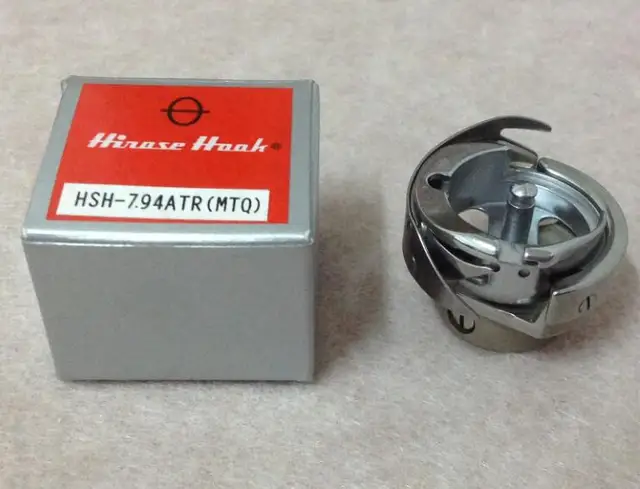 Hirose HSH-7.94ATR(MTQ) KHS12-RYP Rotary Hook for Tajima, Barudan, ...$ 18.09View part →
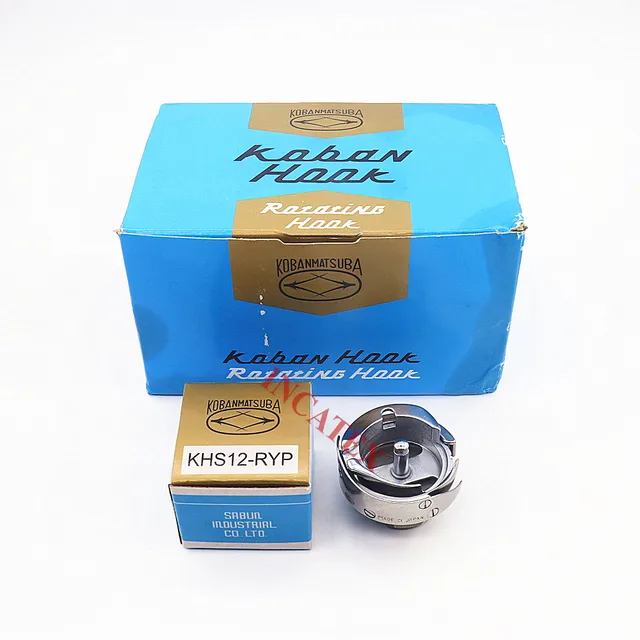 Koban KHS12-RYP Rotary Hook with Trimmer for Tajima, Barudan, SWF, ...$ 37.29View part →
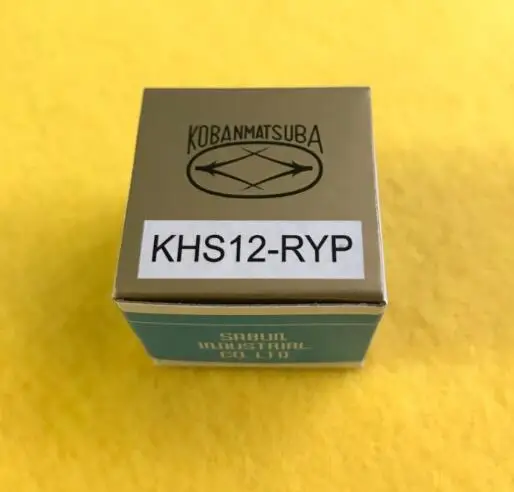 KHS12-RYP Standard Rotary Hook L Size for Tajima, Barudan, SWF, Fei...$ 20.99View part →
 Groz-Beckert DBxK5 RG Embroidery Needles (500 Pcs) for Tajima Barud...$ 85.99View part →
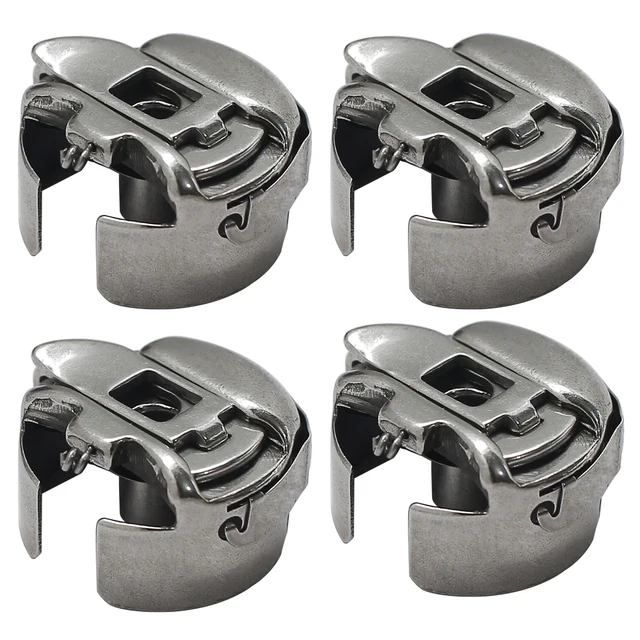 BC-DBZ(3)-NBL Small L Pigtail Embroidery Bobbin Case for Barudan, M...$ 16.09View part →
 GATYZTORY 60x75cm Colorful Cat Paint by Numbers Kit with Frame for ...$ 15.99View part →
All Melco parts → Rotary Hooks & Bobbin Cases → Needles & Needle Bars → Thread Path & Tension →
3. Thread Trimmer Blades (Moving and Fixed) medium likelihood
How to tell
Inconsistent thread trims, frayed thread ends after trimming, thread not trimming at all, excessive thread tails, or a 'chewing' sound during trimming. Blades may appear dull or nicked.
Fix
- Carefully inspect both the moving and fixed trimmer blades for sharpness, nicks, or damage.
- Remove any lint or thread debris from around the trimmer mechanism.
- If blades are dull or damaged, replace them as a set (moving and fixed).
- After replacement, test the trimming function and adjust if necessary according to your machine's manual.
Parts involved: Cutters & trimmers →
4. Thread Path Components (Tension Discs, Thread Guides) medium likelihood
How to tell
Inconsistent thread tension, thread shredding, frequent thread breaks, or poor stitch quality. Inspect for nicks, burrs, or grooves worn into tension discs, thread guides, or take-up levers.
Fix
- Visually inspect all thread path components from the spool to the needle for any signs of wear, nicks, or burrs.
- Pay close attention to ceramic guides, tension discs, and the eye of the take-up lever.
- Use a piece of scrap thread or a cotton swab to check for snags along the path.
- Clean any lint or debris from tension discs and thread guides.
- If any component is found to be rough or damaged, replace it to prevent thread issues.
Parts involved: Thread path & tension →
5. Melco Magnetic Hoop Frame for Amaya Bravo, XT, XTS, EMT16X, EMT16 Plus, Bernina E16 medium likelihood
How to tell
Difficulty hooping fabric securely, fabric slipping during embroidery, bent or damaged hoop components, weakened magnets, or cracks in the frame material. Poor registration or uneven embroidery can also indicate hoop issues.
Fix
- Inspect the hoop frame for any physical damage, cracks, or warping.
- Check the magnetic strength by testing how securely it holds fabric or a piece of metal.
- Ensure all clamps or securing mechanisms are functioning correctly.
- If the hoop is damaged, warped, or the magnets are significantly weakened, replace the hoop frame.
- Properly store hoops to prevent damage when not in use.
This refers to the Melco Magnetic Hoop Frame for Amaya Bravo, XT, XTS, EMT16X, EMT16 Plus, Bernina E16.
Parts involved: Hoops & frames →
6. Stepper Motors (e.g., 14HS20-1504S Nema 14, 57BYG250B Nema 23) low likelihood
How to tell
Inaccurate needle positioning, jerky movements, missed steps, unusual noises (grinding, humming), or complete failure of a specific axis (e.g., X, Y, or color change). Motors may feel excessively hot.
Fix
- Listen for unusual noises or observe erratic movement in the affected axis.
- Check motor connections for looseness or corrosion.
- Feel the motor for excessive heat (caution: can be very hot).
- If a motor is suspected of failure, it often requires replacement. This is typically a job for an experienced technician.
- Before replacing, ensure the issue isn't due to a mechanical obstruction or driver problem.
This includes motors like the 14HS20-1504S Nema 14 Stepper Motor and 57BYG250B 1.2N.m Nema 23 Stepper Motor.
Parts involved: Motors & drivers →
Maintenance schedule
| When | What to do | Why |
|---|---|---|
| Daily (or before each shift) | Clean the rotary hook area and bobbin case. | Removes lint and thread debris that can cause jams, poor stitching, and wear. |
| Daily (or before each shift) | Oil the rotary hook. | Ensures smooth operation of the hook, reduces friction and wear, and prevents heat buildup. Refer to your manual for specific oiling points. |
| Daily (or before each shift) | Inspect needles and replace if damaged. | Prevents thread breaks, fabric damage, and poor stitch quality. |
| Weekly | Clean entire thread path (tension discs, guides, take-up lever). | Removes lint and wax buildup that can affect thread tension and cause breaks. |
| Weekly | Check thread trimmer blades for sharpness and debris. | Ensures clean thread cuts and prevents thread tails or jams. |
| Weekly | Wipe down machine exterior and clean under the needle plate. | Prevents dust and lint from entering critical machine components. |
| Monthly (or every 100-200 operating hours) | Lubricate other specified points (e.g., needle bars, presser foot mechanisms). | Reduces friction and wear on moving parts. Consult your Melco manual for exact points and frequency. |
| Monthly (or every 100-200 operating hours) | Inspect belts for tension and wear. | Ensures proper timing and movement of machine components. Loose or worn belts can cause timing issues. |
| Quarterly (or every 500 operating hours) | Inspect all major wear parts (rotary hook, bobbin case, trimmer blades, tension springs). | Proactive replacement of worn parts prevents unexpected breakdowns and maintains stitch quality. |
| Annually (or every 1000-2000 operating hours) | Perform a thorough cleaning and inspection of all mechanical components. | Identifies potential issues before they become critical and ensures long-term machine health. This may involve partial disassembly. |
Stop and call a technician if
- If you encounter persistent error codes that cannot be resolved with basic troubleshooting.
- For any issues involving complex electrical components or circuit boards.
- If you suspect a major mechanical failure, such as a broken shaft or timing belt, that requires specialized tools or expertise.
- When you are unsure about a repair procedure and risk causing further damage to the machine.
Prevent it coming back
- Always use high-quality needles, threads, and backings appropriate for your project.
- Keep your work area clean and free of dust and debris.
- Avoid forcing the machine or operating it when it's making unusual noises.
- Follow the manufacturer's recommended lubrication schedule and use only specified lubricants.
- Regularly inspect all moving parts for wear and replace them before they cause major issues.
- Properly store hoops and accessories to prevent damage.
Frequently asked questions
How often should I lubricate my Melco EMT16?
Lubrication frequency depends on usage. Generally, daily oiling of the rotary hook and other specified points is recommended. Other lubrication points might be weekly or monthly. Always refer to your Melco EMT16 operator's manual for precise lubrication schedules and types of oil to use.
What causes frequent thread breaks on my Melco EMT16?
Frequent thread breaks can be caused by several factors including worn or damaged needles, incorrect tension settings, burrs or nicks in the thread path (guides, tension discs, take-up lever), lint buildup, a damaged rotary hook, or poor quality thread. Regular inspection and cleaning of the thread path are crucial.
Can I use any brand of needle in my Melco EMT16?
While many needle brands are available, it's crucial to use the correct needle system (e.g., DBxK5) and size recommended for your Melco EMT16 and the specific fabric/thread combination you are using. Using incorrect needles can lead to stitch quality issues and machine damage. Always refer to your machine's manual for specifications.
How do I know when to replace my rotary hook?
You should consider replacing your rotary hook if you observe consistent issues like skipped stitches, thread jams in the hook area, excessive noise from the hook, or if the hook point or race shows visible nicks, burrs, or wear that cannot be polished out. Regular inspection during cleaning will help you identify wear early.
Did this guide fix your machine?
Rate it - it helps other operators find the right fix.
Not sure which part is failing?
Need the logo stitched too?
Get your logo digitized by the people who know this machine
Upload the artwork, see the stitch count and the exact price in 10 seconds, then order with a free sew-out preview. $1 per 1,000 stitches, $10 minimum, 24-hour delivery. Vector conversion from $12.
After the fix
Fixed it? Keep the rest of the shop moving.
OS 360 is the shop software from the team behind this parts store. Every job keeps its status, deadline and owner while a Melco head is down, restock alerts fire for needles, hooks and bobbins before you run dry, and quotes, invoices and payment live in one place.
- Jobs with status, deadline and owner - nothing slips during downtime
- Inventory with restock alerts, this store one click away
- Instant quotes, invoices and one place to collect payment