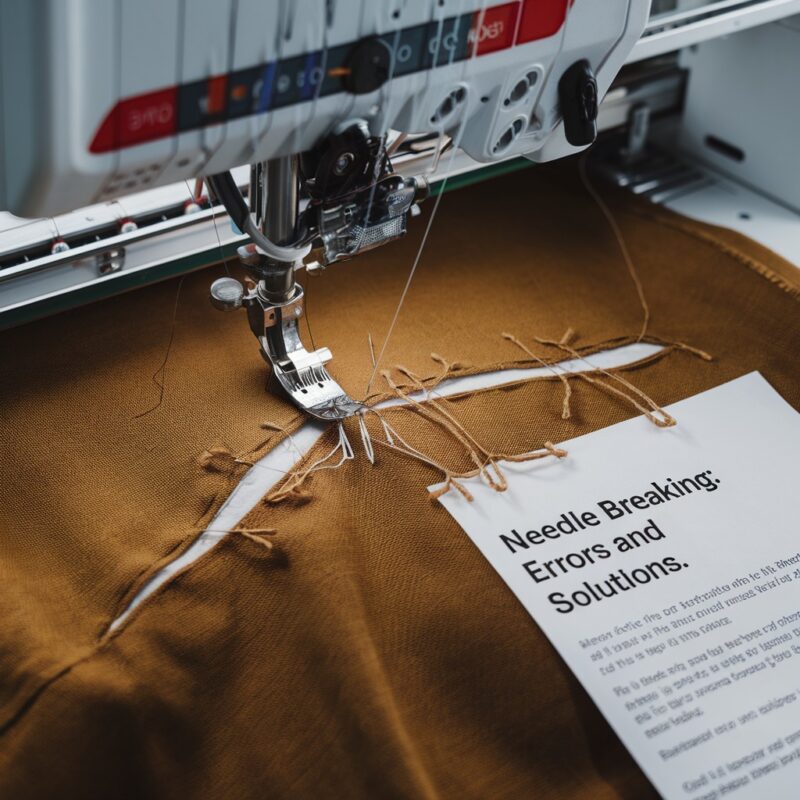
Husqvarna Embroidery Machine: Common Errors in Needle Breaking and Solutions

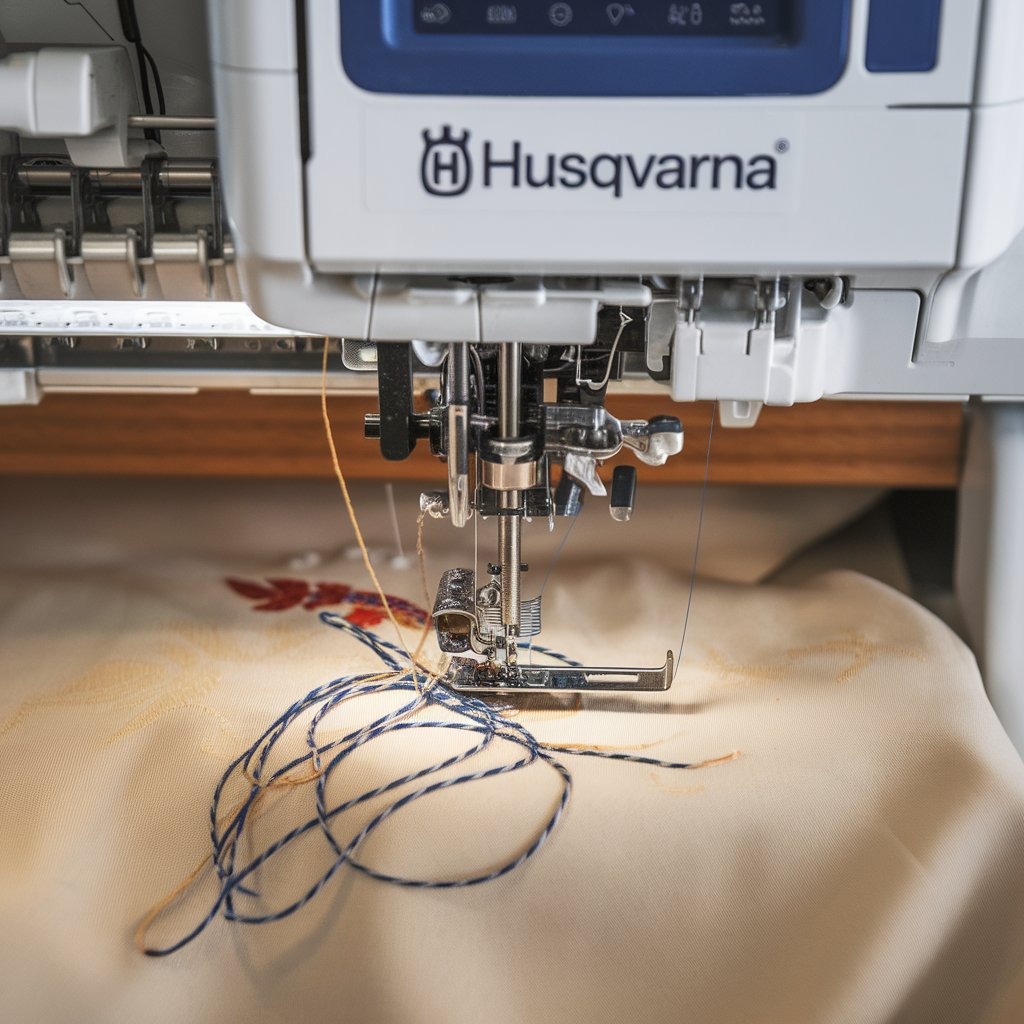
Husqvarna Embroidery Machine: Common Errors in Needle Breaking and Solutions
Needle breaking is a frustrating and costly issue for Husqvarna embroidery machine users. Broken needles not only interrupt your workflow but can also damage your fabric or machine. To ensure a smooth sewing experience, it’s essential to understand the reasons behind needle breakage and implement the necessary solutions to prevent it.
Common Causes of Needle Breaking in Husqvarna Embroidery Machines
- Wrong Needle Type or Size
- Cause: Using the wrong type or size of needle for the fabric or thread can lead to needle breakage. A needle that’s too small for heavy fabrics or thick threads can bend and break under pressure.
- Solution: Choose the appropriate needle for the fabric and thread. For example, a 75/11 needle works well for light to medium fabrics, while a larger needle such as a 90/14 should be used for thicker fabrics or dense embroidery designs.
- Improper Needle Insertion
- Cause: If the needle is not inserted correctly, it may hit the needle plate or other parts of the machine, causing it to break.
- Solution: Ensure that the needle is inserted all the way up into the needle clamp and is tightened securely. Make sure the flat side of the needle is facing the back of the machine.
- Fabric Pulling or Pushing
- Cause: Pulling or pushing the fabric while the machine is sewing can cause the needle to bend or break. This is especially common with beginners.
- Solution: Let the machine do the work. Avoid pulling or forcing the fabric through the machine. Instead, use a proper stabilizer and hooping technique to keep the fabric flat and secure.
FOR EMBROIDERY & SCREEN-PRINT SHOPSYou're the expert on your machines.
Let OS 360 be the expert on your business.While you're solving stitch counts and thread tension, OS 360 quietly runs the other half of the shop — job tracking, inventory, quotes and getting paid.
Every job has a status, deadline & owner
Restock alerts before you run dry mid-job
Instant quotes & one place to collect paymentFirst month free, card required · billing starts month 2 · from the team at 360 Digitizing Solutions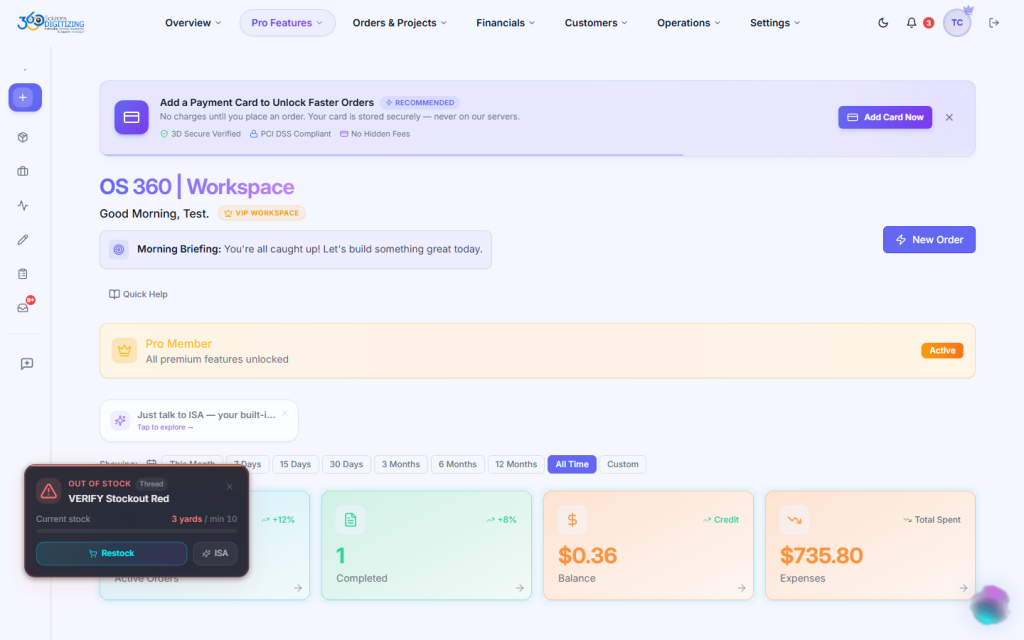
- Damaged or Dull Needle
- Cause: Needles can become dull or damaged after prolonged use, which increases the chances of them breaking.
- Solution: Regularly replace needles, especially after completing large projects or when you notice signs of dullness. A general rule is to replace the needle every 8-10 hours of stitching or after each project.
- Threading Problems
- Bent Needle
- Cause: A bent needle is much more likely to break, as it will not penetrate the fabric cleanly and may hit other parts of the machine.
- Solution: Inspect needles before use, especially after an accidental bump or jam. If the needle appears even slightly bent, replace it immediately to prevent breakage.
- Needle Hitting the Hoop
- Thick or Multi-Layered Fabrics
- Cause: Embroidering on thick fabrics or multiple layers without the correct needle size can increase the chances of needle breakage.
- Solution: Use a larger needle size, such as 100/16, for thick fabrics or multiple layers. Additionally, slow down the machine speed when working with these materials to reduce pressure on the needle.
Conclusion
Needle breaking in Husqvarna embroidery machines is an issue that can often be avoided by using the right tools and techniques. By selecting the proper needle type and size, ensuring correct fabric handling, and maintaining your machine, you can reduce the chances of needle breakage and keep your embroidery projects running smoothly. Regular machine maintenance and needle inspections are key to avoiding this frustrating problem.
Still tracking jobs in spreadsheets?
OS 360 replaces the spreadsheet chaos with job booking, production tracking, and auto-accounting built for decorators.
Start Today for $0! billing starts month 2.